




McLaren left scoreless in Baku as Norris, Piastri struggled
NXTbets Pro | Published On: September 26, 2026
McLaren leaves Baku
McLaren left the Azerbaijan Grand Prix in Baku without a point after a weekend that exposed the limits of its package on the street circuit. The team arrived with a significant bodywork upgrade aimed at improving straight-line speed, yet the changes did not turn into the pace McLaren needed. The gap showed from the first session. Norris finished 14th in first practice, 1.594 seconds behind Russell. Piastri was more than a second off the benchmark in the opening session. Norris moved up to sixth in second practice, but he still trailed Russell by 1.484 seconds. The numbers told the same story all weekend. McLaren lacked speed where Baku demanded it most, and the team never found a clean answer. Norris said McLaren was “miles off” on pace and called the car “not very fast.” He also said the track’s lack of high-speed corners made it a tougher match for McLaren, comparing it to Monaco, where the team also struggled.
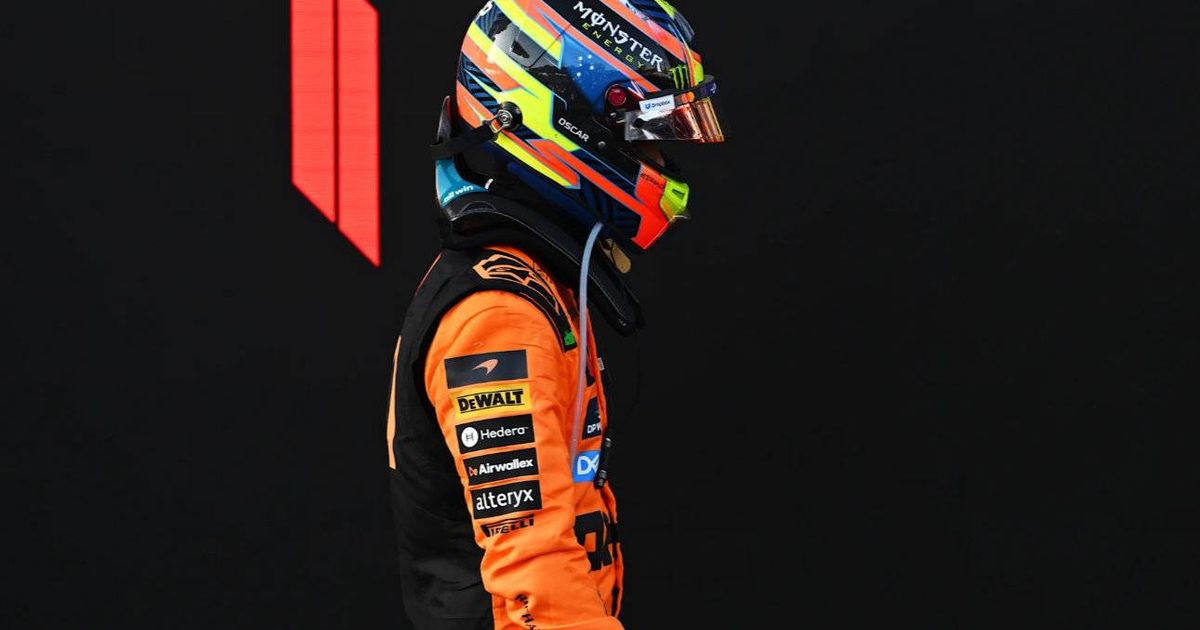
Norris and Piastri
McLaren showed more life in qualifying, but the session still left it chasing Mercedes. Piastri qualified third and Norris qualified fifth, yet Russell’s Mercedes was faster than both McLarens. Norris also lost top speed because of a technical problem, and team principal Andrea Stella said McLaren was investigating a power loss on Norris’ car linked to fuel-injection behavior. Norris said he had to push harder than Piastri to make up for McLaren’s straight-line speed deficit, a sign of how much the car asked the drivers to overwork it on the long Baku straights. He also said a lockup at Turn 3 on his final Q3 lap cost him a better grid position. The race brought a harsher outcome. McLaren scored no points after Norris crashed out from fifth and Piastri finished 14th. Norris went out after a Safety Car restart involving Franco Colapinto and Pierre Gasly, and his car hit the barriers. Piastri started strongly and briefly ran second, but he lost ground after a restart and then hit trouble again with a Turn 1 lockup that flat-spotted his tires. The flat spots led to vibrations and brake-management problems that stayed with him for the rest of the race.
Stella and Baku
Stella said McLaren’s package was exposed by too much drag and not enough straight-line speed. He also said the upgrades worked, even if the final result suggested little progress on the surface. That split explained McLaren’s weekend in Baku. The team brought visible changes to improve its performance on the long straights, and the parts did their job in the sense that they delivered the intended effect. The circuit still masked that gain because of its own layout and demands. Stella said the result was partly hidden by Baku’s circuit characteristics, which made the team’s weakness harder to read from the outside but no easier to solve inside the garage. The weekend’s pace fit that picture. Piastri offered the same broad diagnosis from a different angle. He said McLaren struggled to find its operating window on the Baku street circuit, which left both drivers fighting the car instead of attacking the track. Between the practice pace, the qualifying loss to Russell and the race outcome, McLaren spent the weekend under pressure and left Baku with no points and a clear set of problems to solve.