




Perez warned 2026 F1 cars were too dangerous
NXTbets Pro | Published On: September 29, 2026
Power-unit safety warning
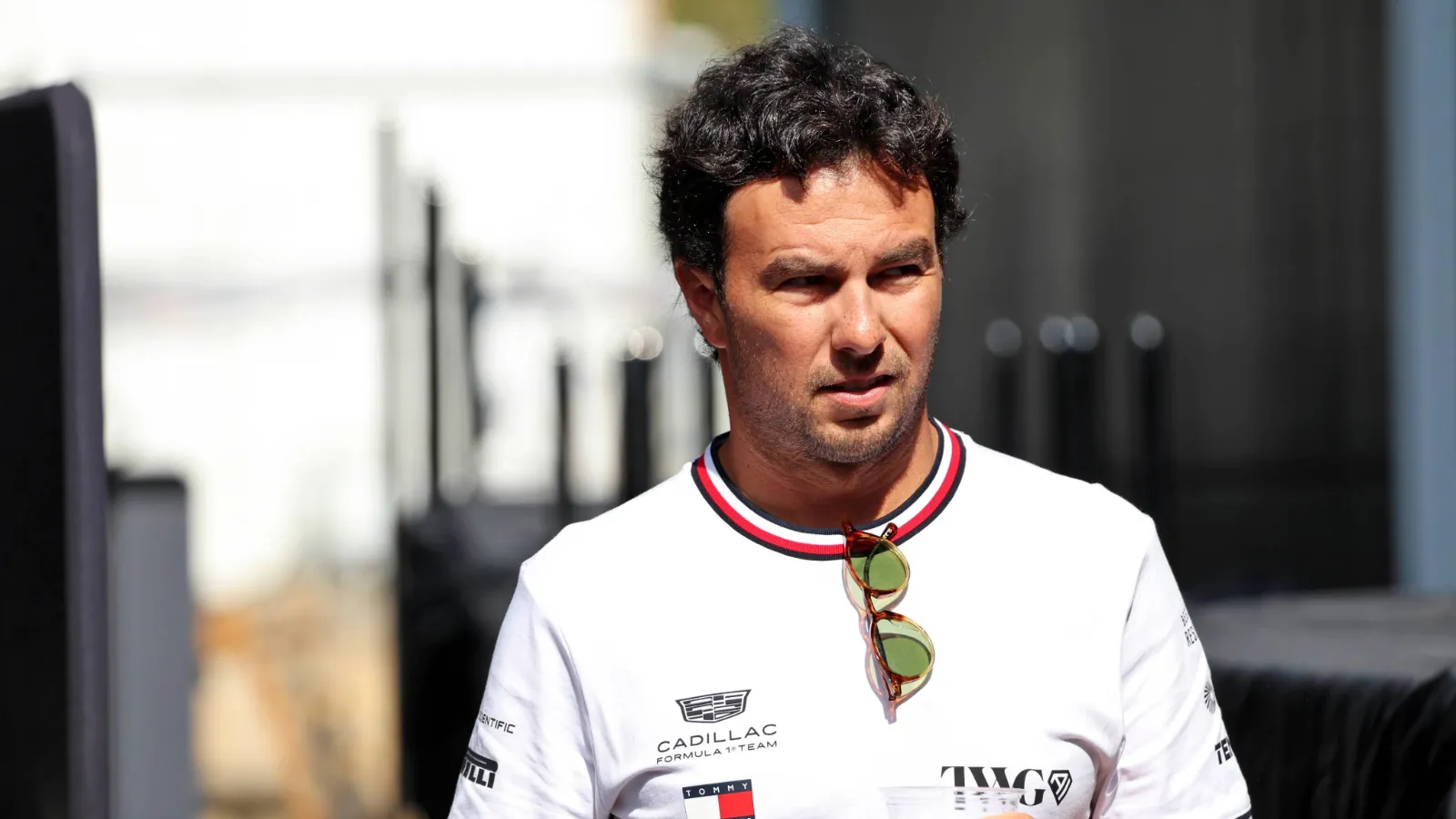
Sergio Perez said Formula 1’s 2026 cars were too dangerous, and he tied that warning to the next generation of power units. Perez said he feared something bad was going to happen soon unless Formula 1 changed its power unit regulations, and he pointed to the closing speeds that drivers faced when differences in engine deployment and energy management varied from car to car. Perez also described the pace gap between Mercedes and Red Bull Ford engines and the rest of the field as a safety risk. He wanted the speed gap reduced. Perez framed the issue as a safety concern.
Baku near-miss
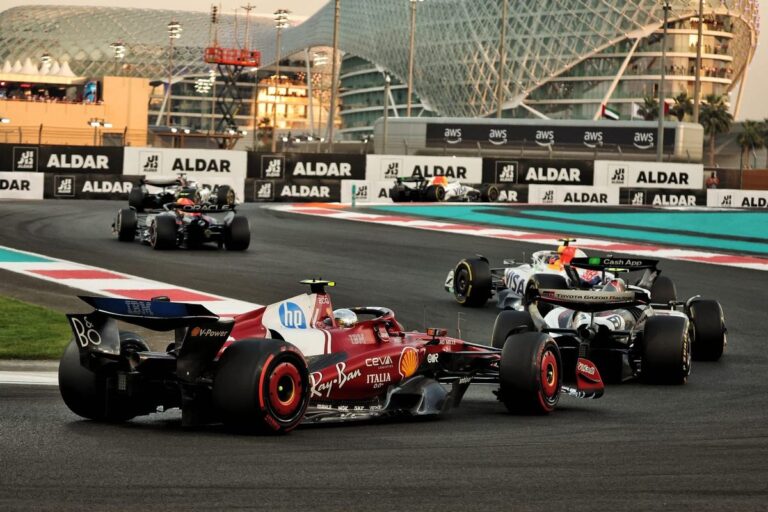
Perez said his warning was sharpened by what he experienced at the Azerbaijan Grand Prix in Baku, where he nearly had a major collision with Racing Bulls driver Liam Lawson while defending against him. Perez said the differences in engine deployment and energy management were creating unsafe closing speeds, and Baku gave him a clear example of what he meant. He also said Cadillac was putting him and teammate Valtteri Bottas in dangerous situations because the team was using Ferrari engines for now. Perez raced with Ferrari’s updated power unit in Baku. For Perez, the issue showed up when one car gained speed far quicker than the driver in front expected, then arrived in the braking zone with little time to react. That was the kind of scenario he wanted Formula 1 to fix before it turned into something worse.
Power-unit changes
Perez pointed to changes Formula 1 and the FIA made after Oliver Bearman’s heavy crash at the Japanese Grand Prix as proof the sport could adjust when the risks became clear. He said further changes for 2027 should help too, especially the move to lower the electrical power share from 47% to 42%. Perez saw that shift as one way to reduce the speed gaps that worried him. He did not back away from the larger concern, though. His message stayed focused on the danger created when engine deployment and energy management separated the field and sent one driver closing far quicker than the other expected. The 2026 rules, in his view, leaned too far in that direction. The answer, he said, was to change the regulations before the sport put drivers in a more serious situation. Perez wanted the speed gap reduced and the closing speeds brought under control. He warned that if Formula 1 did not adjust, something bad could happen soon.