




Indiana Sprint Week expands to nine tracks in 10 nights
NXTbets Pro | Published On: July 23, 2026
Indiana Sprint Week
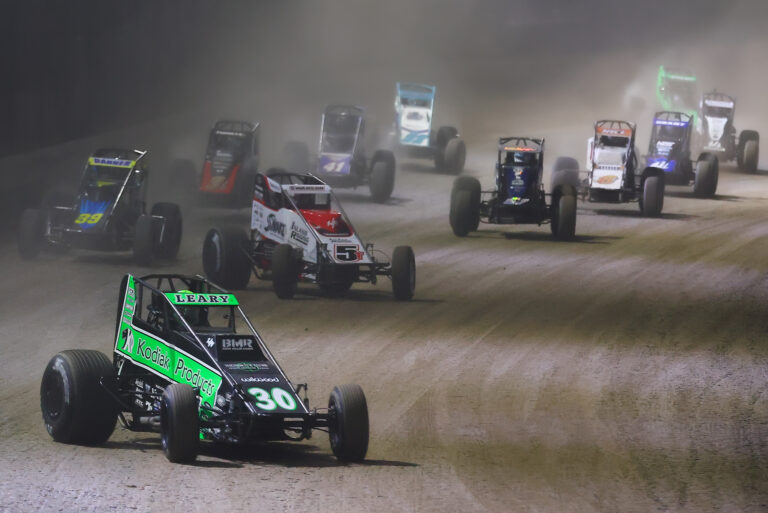
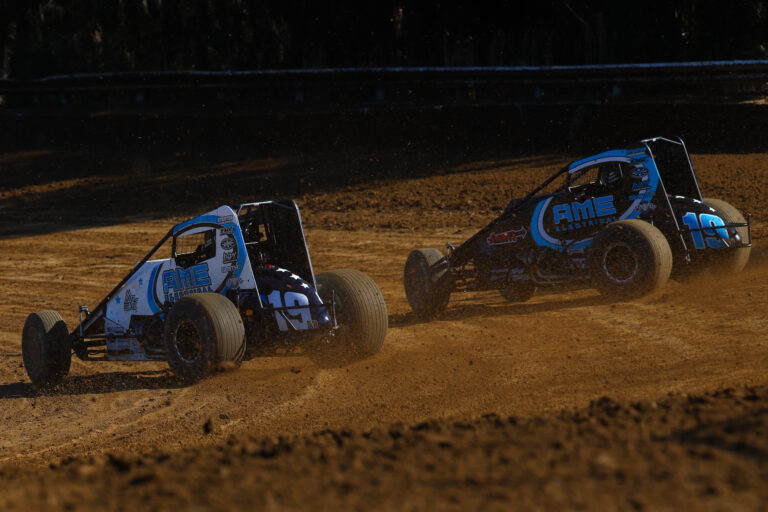
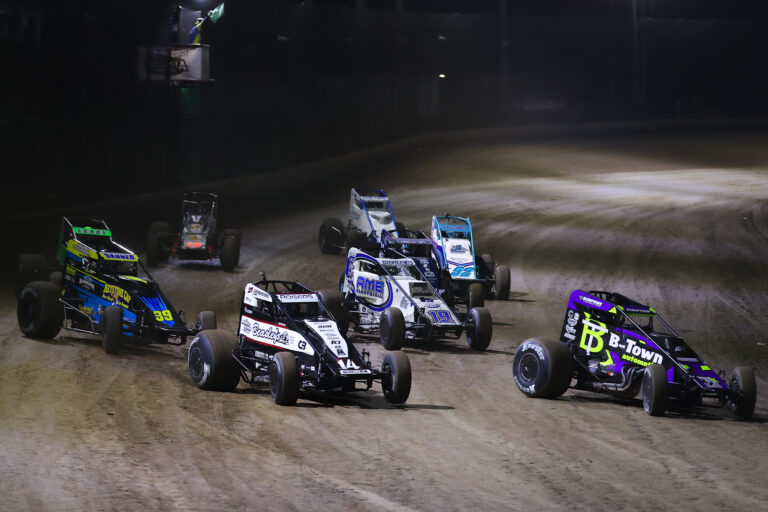
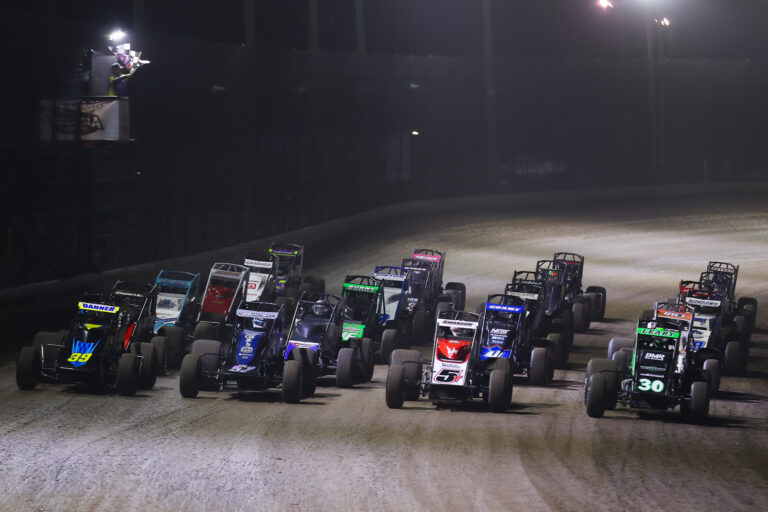
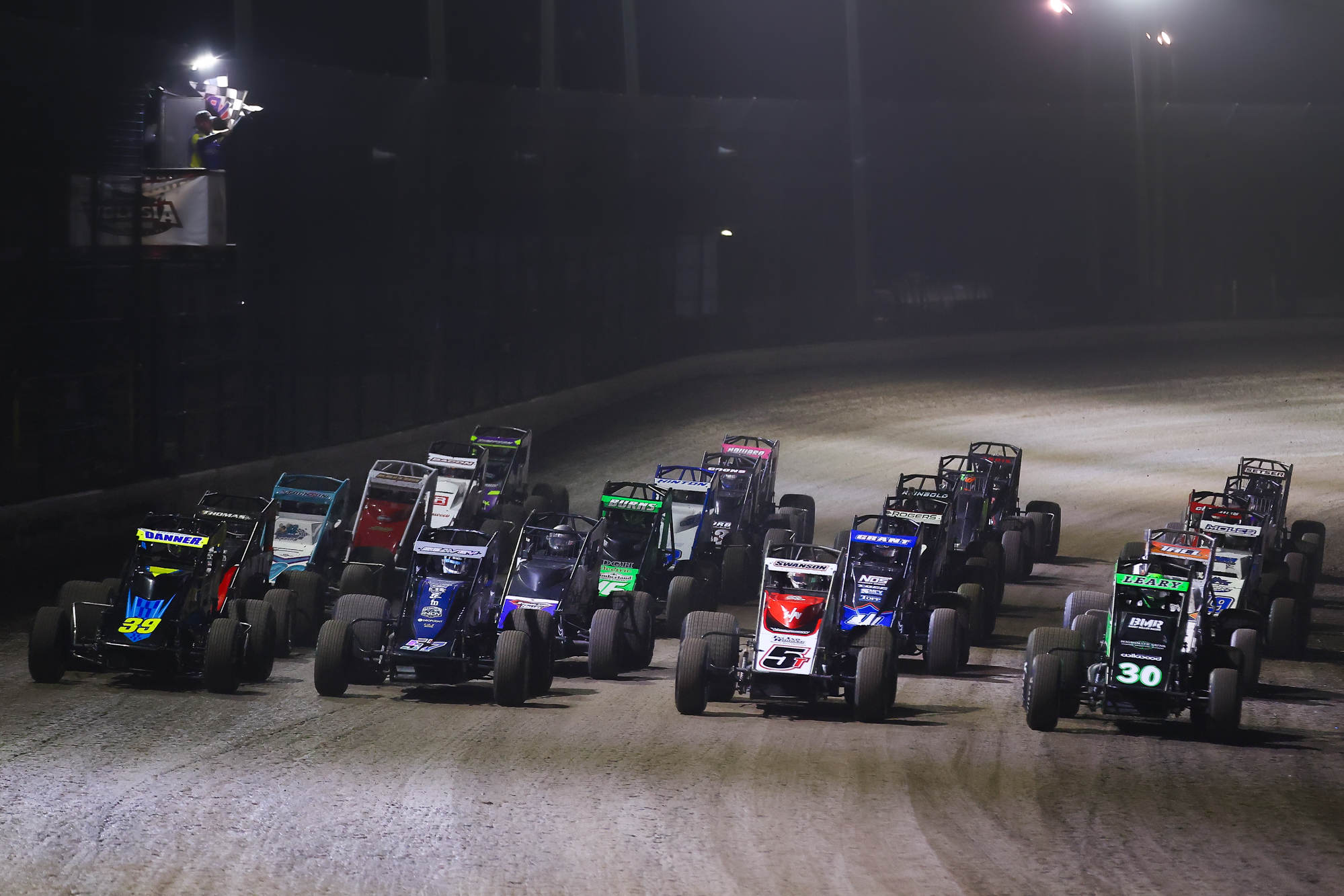
The 39th annual USAC NOS Energy Drink Indiana Sprint Week Presented by K&N Filters is underway, and USAC has built its biggest edition yet. The series now features a record nine events at nine different racetracks, a layout that gives the week its most ambitious footprint to date and puts a premium on consistency from the first green flag to the last checkered flag. The schedule stretches across 10 nights and keeps the spotlight on Indiana’s sprint car circuit with a mix of familiar venues and marquee stops. The Dirt Track at Indianapolis Motor Speedway opens the run, setting the tone for a busy stretch that asks drivers and teams to stay sharp across a fast-moving slate. With nine races spread across nine tracks, every night carries weight. A mistake can change the shape of the week in a hurry, and a strong run can put a driver in position to control the title fight before the final stop arrives. USAC’s expanded format turns the series into a true test of speed, adaptability and stamina. It also gives the state’s sprint car fans a wider look at the venues that help define the discipline. Indiana Sprint Week has long been one of the key runs on the USAC calendar. This year’s version pushes that identity even further. The larger schedule means more variety, more travel and more opportunities for different tracks to play a role in the story. It also gives the series a stronger sense of sweep, with the action moving from one racing center to the next and building toward a finale that closes out the 10-night grind.
Record nine events
The route through Indiana covers a deep list of dirt tracks, and the lineup gives the week a clear rhythm. After the opening night at The Dirt Track at Indianapolis Motor Speedway, the series moves through Lincoln Park Speedway, Kokomo Speedway, Lawrenceburg Speedway, Circle City Raceway and Paragon Speedway before shifting into the second half of the run. Terre Haute Action Track, Bloomington Speedway and Tri-State Speedway round out the nine-race slate. That spread gives the series a broad reach across the state and adds another layer to a schedule already defined by its size. Each stop brings its own character, and the record total of nine events leaves little room for a team to coast through the week. The pace of the schedule keeps the pressure high. Drivers need to adapt quickly, and crews need to respond just as fast. A strong night at one track can matter, but the full stretch demands more than one good performance. USAC’s biggest edition of Indiana Sprint Week asks competitors to stay in the mix over a run that combines well-known facilities with important feature nights. Terre Haute Action Track will host the Don Smith Classic, giving that stop a named centerpiece. Bloomington Speedway will host the Sheldon Kinser Memorial, another key part of the route and one that adds historic weight to the schedule. Those events give the week more than simple date-by-date continuity. They anchor the series at tracks with their own place in the sprint car landscape and help frame the overall identity of the program. The expanded roster of venues also means fans across Indiana get a closer look at the series as it moves from one site to the next, with each track adding a different chapter to the same stretch of racing.
Finale and break
Indiana Sprint Week keeps its momentum through the middle of the schedule before taking a one-day break, then returns for the final stretch that decides how the week closes. That pause comes on July 28 and gives the series a single day off before the last push begins. The break stands out in a schedule built for speed and continuity, since the rest of the program asks teams to stay ready night after night. Once racing resumes, the final run heads toward Tri-State Speedway, which is set to host the finale. That closing night gives the week a clear endpoint and puts the last word on a series that has already expanded into its largest form. The finale matters because the format has created so many pressure points before it. Nine events over 10 nights leave a narrow margin for recovery and a small window for anyone trying to climb back into contention. The one-day pause may offer a brief reset, but it does not change the shape of the challenge. The final stretch still demands clean execution, strong pace and the kind of consistency that separates the front-runners from the rest of the field. Tri-State Speedway gets the responsibility of closing out a record-setting itinerary, and that gives the track a central role at the end of the run. By the time the series reaches that final stop, the expanded schedule will have tested every part of the operation, from early-week speed to late-week resilience. Indiana Sprint Week has always asked a lot from the teams that enter it. In its 39th annual running, with nine races at nine different tracks and a single break before the finish, it asks even more.