Formula 1 says true rain racing is likely becoming a thing of the past because modern cars throw up so much spray that visibility in wet conditions has become extremely poor. The problem has worsened as the cars have gained more downforce, and the FIA now weighs standing water, spray and visibility before deciding whether a wet race is safe to start, while also listening to drivers. Safety concerns sharpened after Jules Bianchi’s death in 2014 helped drive changes in the sport.
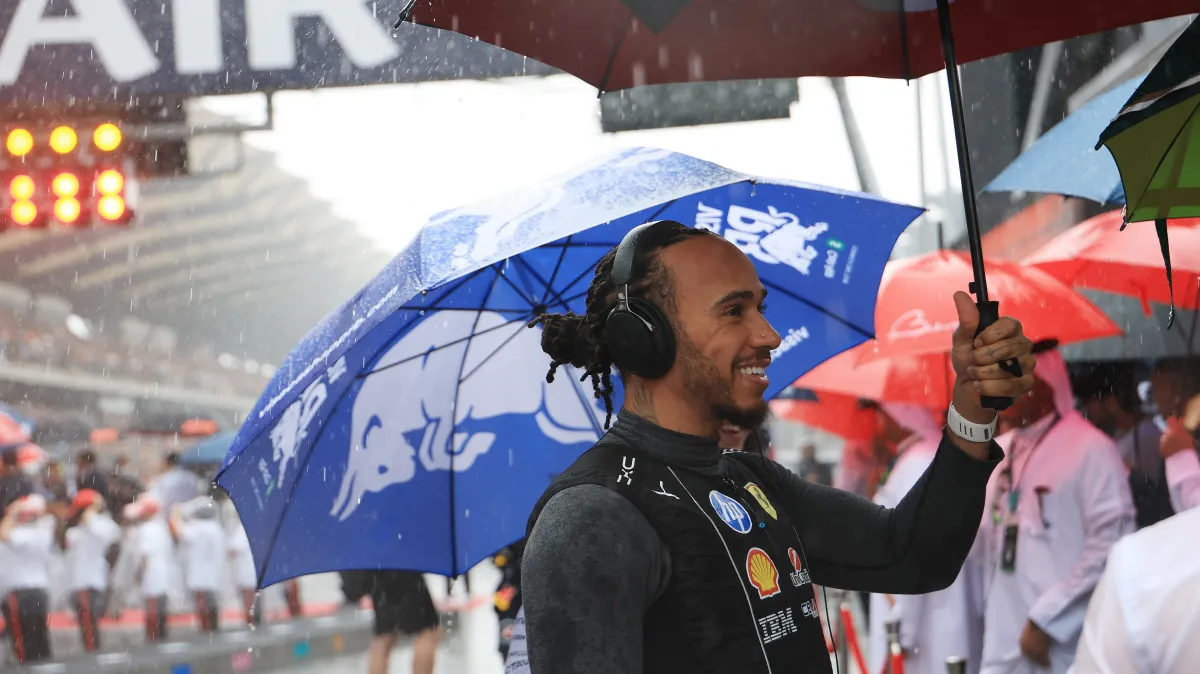
At Sepang, heavy standing water led organizers to hold the grid before the race started, and Lewis Hamilton said wet conditions are riskier even as they create the moments when drivers can make the biggest difference by relying on instinct and feeling the car. Hamilton said younger Formula 1 drivers are becoming “more and more cautious” about racing in the wet, while veteran drivers are more willing to push in extreme rain. He pointed to his wins in torrential rain at the 2007 Japanese Grand Prix and the 2008 British Grand Prix as examples of his success in those conditions.
Carlos Sainz said the FIA got the timing right when it decided to go racing, and said the rain gave him a better chance to do something. Isack Hadjar said the new power units and intermediate tires have made wet driving more difficult and unpredictable. Formula 1 said reducing electrical power or changing aerodynamics would not solve the visibility problem in the rain.
More