





Caity Simmers says power is driving her surfing evolution
NXTbets Pro | Published On: September 21, 2026
Caity Simmers power
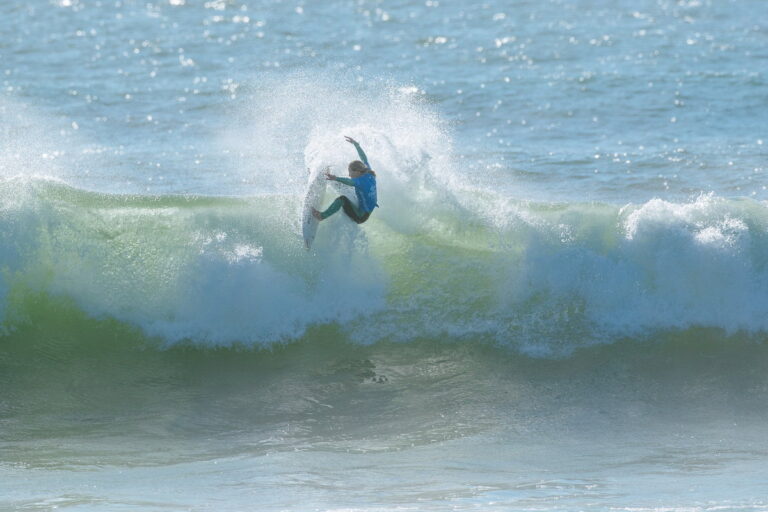
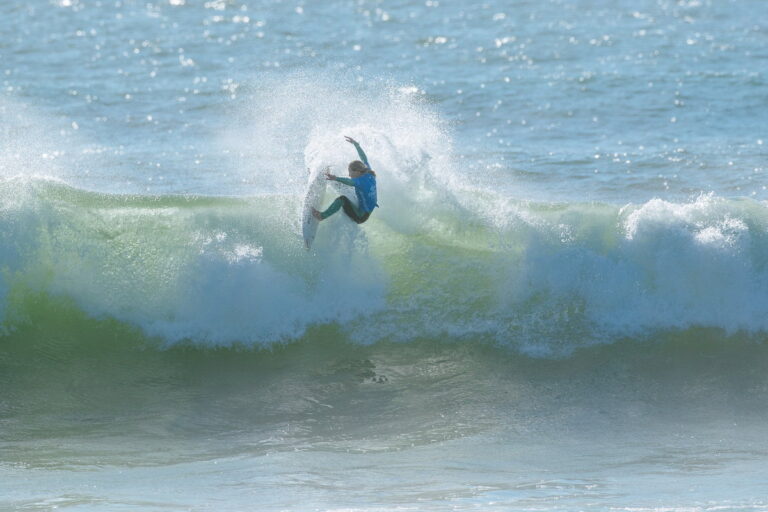
Caity Simmers won the world title at age 18 and became the youngest woman ever to do it. That milestone still frames the way her surfing is viewed, but Simmers is focused on what comes next. She said her style has moved from technique and timing toward more power, a shift that changes the way she attacks a wave without changing the foundation of her game. Creativity still sits at the center of her surfing. So does her ability to read waves. Those traits give her a base that power alone cannot provide. The added force gives her more ways to finish a wave and more ways to pressure a heat, but she has not moved away from the feel that helped her reach the top of the sport. She sees the evolution as part of her development, not a rejection of what made her successful in the first place.
That balance matters because Simmers speaks about her surfing as a blend of speed, strength and instinct. She has kept the same identity while adding another layer to it. The result is a surfer who can still adapt to the shape of a wave and still bring more force when the conditions demand it. That is the kind of growth that matters in professional surfing, where a small change in style can open up new scoring paths and new pressure points in a heat. Simmers said she felt confident, stronger and grateful as the season moved along, and those words fit the direction of her surfing. She is still building. She is still refining. She is doing it from a place of belief that her best surfing can include both imagination and power.
Caity Simmers drive
Simmers has never hidden how competitive she is. That edge runs through the way she talks about her progress and the way she approaches the sport. She said part of her drive comes from her family. Another part comes from wanting to prove something to herself. Those two forces have kept her moving forward even as the spotlight around her has grown. The title gave her a public marker. The internal push remains the real fuel. That makes her story more than a simple rise to a championship. It is also the story of a surfer who keeps finding reasons to keep chasing more, even after reaching a level most athletes spend a career pursuing.
Her path to that mindset started early. Simmers said she first got interested in surfing around age 10 after competing in her first contest. That early taste of competition mattered, but so did the detour that followed. She later spent time playing BMX, skating, scootering, dance and baseball after briefly losing interest in surfing. That mix of sports and movement helped shape the athlete she became. It gave her more than one way to stay active and more than one way to think about coordination, rhythm and balance. It also shows that her relationship with surfing was never simple or linear. She came back to it with more perspective and, by her own account, more hunger. The same athlete who once stepped away from surfing returned with a sharpened desire to compete and improve. That makes her current form feel earned, because it grew out of both commitment and curiosity.
Simmers also said she stays grounded by focusing on relationships and the places surfing takes her. That matters in a sport that can pull athletes from one event to the next with little pause. For Simmers, the work is not only about heats and results. It is also about staying connected to the people around her and remembering the places that come with the job. That grounding helps explain how she handles success without letting it define her. It gives her a steady point of reference while the rest of her career keeps speeding up.
Caity Simmers Punta Roca
Simmers also backed up her form at Punta Roca in El Salvador, where she posted the event’s best heat total at 16.50 before losing to Tyler Wright in the quarterfinals. The numbers tell part of the story. The stronger point is that she produced the top heat of the event and carried that level into the later rounds. That kind of performance matches the way she describes her surfing now, with more power behind it and the same creative edge that has always defined it. The loss ended her run in the quarterfinals, but it did not erase the level she showed earlier in the event. If anything, the outing reinforced the sense that she is competing with more force and more confidence.
That confidence has been a theme in the way Simmers describes her season. She said she felt stronger and grateful as it unfolded, which fits a surfer who is still adding layers to her game while keeping the same core identity. The event at Punta Roca gave her another stage to show that mix. She brought the power. She brought the reading of waves. She brought the creativity that keeps her surfing distinct. The performance fit the larger arc of her season. Simmers is not talking about reinvention. She is talking about growth. That distinction matters. It shows a world champion who is still chasing ways to make her surfing sharper, stronger and more complete without losing what made her rise in the first place.