




Madrid Circuit Draws Driver Warnings Over Tyres, Passing
NXTbets Pro | Published On: September 13, 2026
Madring layout draws concern
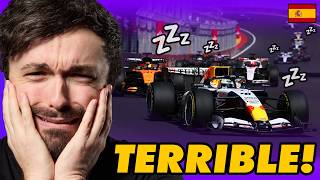
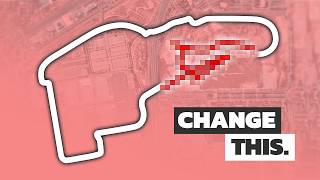
Drivers left the Madring with a clear read on the new Spanish Grand Prix circuit. The track delivered speed and adrenaline, with blind crests and banking that gave it a fast, aggressive feel. It also raised immediate doubts about racing room. Several drivers said overtaking would be very difficult at the Madring, and Max Verstappen said the layout makes passing nearly impossible in several sections. He pointed to corners and braking zones that send cars into the same line, which makes defending easier and limits options for the driver behind. Verstappen said current drivers should be consulted when new circuits are designed, and he added that some corners and braking zones could be changed to improve the racing. The Turn 5 chicane drew attention as the best place to try a pass, but it also looked easy to defend. The circuit measures 5.4 kilometers and has 22 corners, a mix that gives the layout variety but also creates a lot of places where one mistake can close the door on a move. Turn 12 is a 550-meter banked corner known as La Monumental.
Tyre wear shapes the race
Tyre degradation quickly became the bigger story around the Madring. Kimi Antonelli said passing was very difficult, especially because high tyre degradation and dirty air made it harder to stay close to another car. George Russell went a step further and said the race could turn into either a procession or a chaotic contest depending on how the tires hold up. Pirelli said the wear rate was outside its expectations and was costing drivers about two to three tenths of a second per lap. The company said the degradation came from graining on the front-left tire and thermal decay at the rear axle, a combination that can punish cars over a long run and reshape strategy in a hurry. Russell said a six-stop race seemed like it might have been the fastest option, a sign of how extreme the tire behavior could become if the surface keeps breaking down. That kind of wear changes the entire feel of a grand prix. It can open the door to more pit stops, faster lap-to-lap swings and more uncertainty about who can preserve pace over a stint. It can also leave drivers stuck in traffic if the dirty air compounds the degradation and takes away the chance to attack.
Spanish Grand Prix future
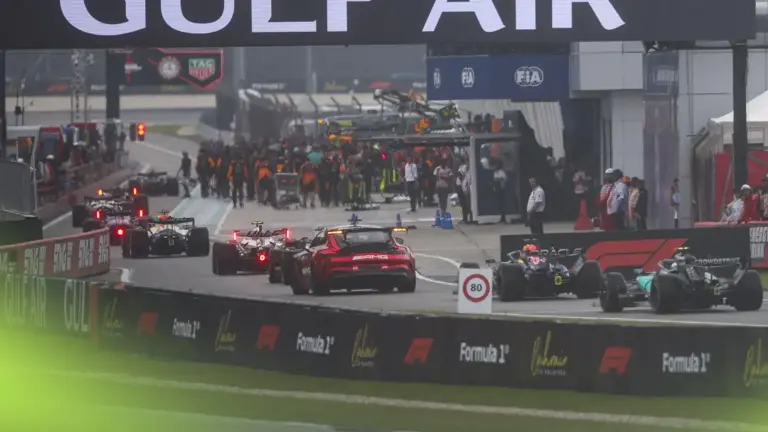
The Madring already has a long-term place on the Formula 1 calendar. The circuit holds a 10-year contract to host the Spanish Grand Prix, which gives organizers a wide window to refine the event if the early feedback holds. That future makes the opening reaction from the drivers more important. Norris said the unusually long pit lane should be shorter because it could create more passing chances, and he tied that point directly to the need for better racing opportunities. The pit lane is split by an exhibition hall, which helps explain why it is so long and why drivers see it as another factor that can shape the race. Verstappen’s comments about design, Norris’s point about the pit lane and the concerns about tire wear all point to the same issue. The circuit may deliver speed and spectacle, but the drivers see a layout that could make clean passing difficult and place a heavy load on the tires. That leaves the Spanish Grand Prix with a clear early identity. The Madring rewards commitment and precision, but it will need the racing to match the pace if it is going to win over the field over the life of the contract.