




FIA rates Red Bull-Ford’s engine best in latest F1 review
NXTbets Pro | Published On: August 26, 2026
FIA review results
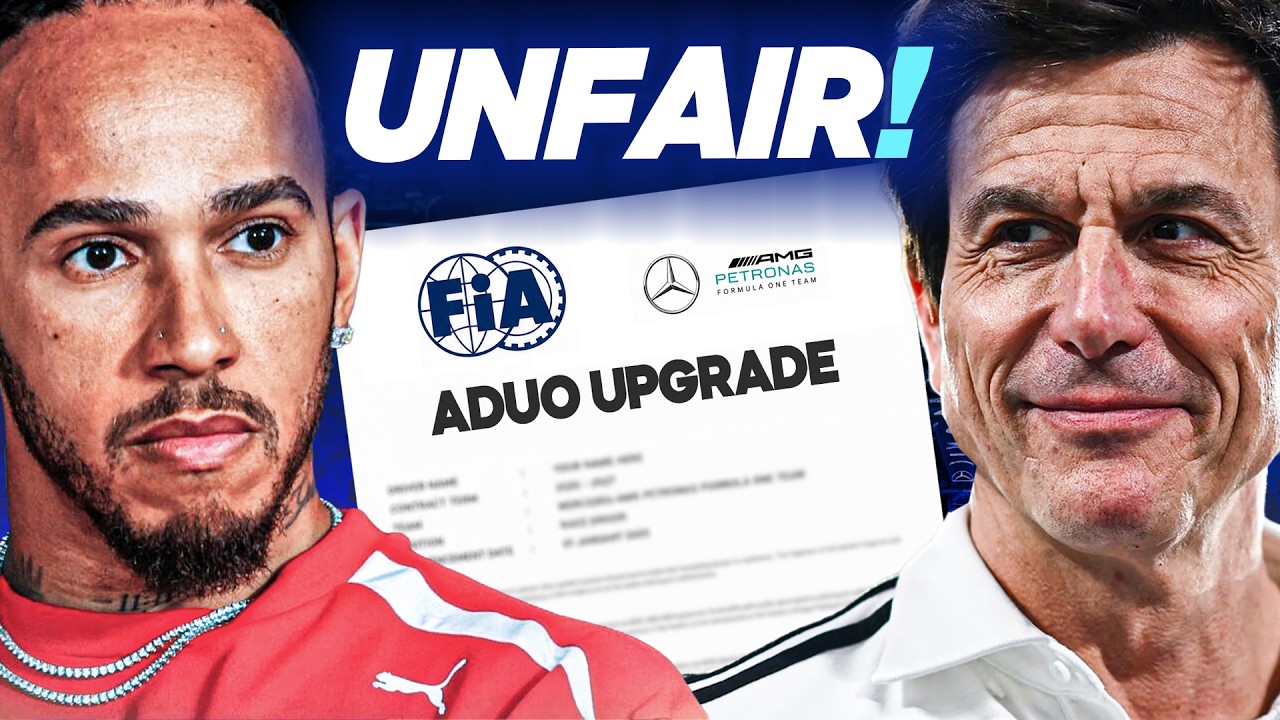
The FIA published the results of the first and second 2026 Additional Development and Upgrade Opportunities review periods for Formula 1 power unit manufacturers, and the early read put Red Bull-Ford at the top of the list. The assessment focused on internal combustion engine performance gaps and covered results from the Australian Grand Prix through the Hungarian Grand Prix. That gave the FIA a direct comparison across the opening stretch of the season, with each manufacturer measured against the same performance window. Red Bull-Ford’s internal combustion engine came out as the most powerful in the review. That matters because the ADUO process is built to track how far apart the engines are, then respond to those gaps with rule allowances. The FIA did not frame the review as a broad, all-encompassing ranking of every part of the power unit. It centered on combustion performance, which puts the spotlight on the engine itself and the spread between the leading and trailing manufacturers. The result gives Red Bull-Ford the strongest position in the published assessment and sets the baseline for how the FIA handled the rest of the field. The review also shows how tightly the governing body is managing engine parity in Formula 1. It is measuring, comparing and then assigning different levels of relief based on where each manufacturer sits in the gap.
Power gaps and homologations
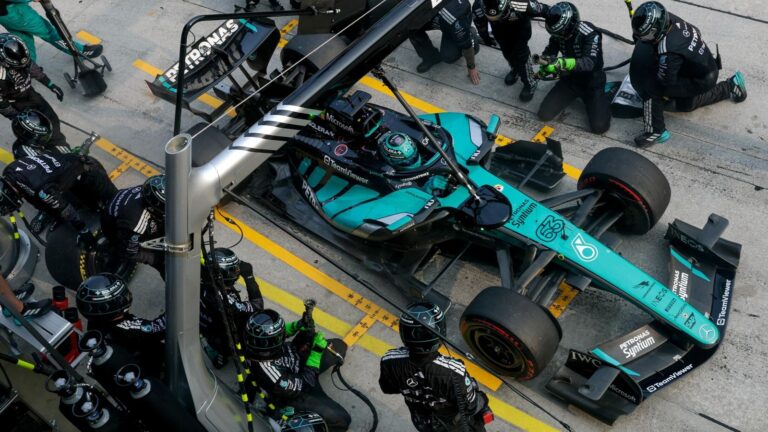
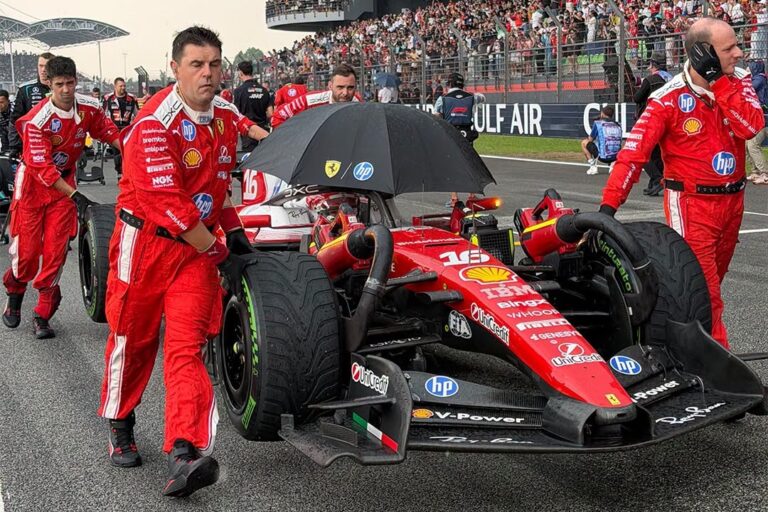
Mercedes was judged to be 2% to 4% down on power, while Audi, Ferrari and Honda were rated more than 4% adrift. Those bands shaped the FIA’s response. Mercedes will receive one additional homologation in both 2026 and 2027. Audi, Ferrari and Honda will each receive two additional homologations in 2026 and two additional homologations in 2027. They will also get corresponding cost cap and dyno testing increases. The pattern is clear. The FIA tied the size of the performance gap to the size of the adjustment. Mercedes landed in the narrower range, so it gets a smaller change. Audi, Ferrari and Honda fell into the wider range, so they get a larger package of relief. The review also closed the door on any extra help after the second review period. No manufacturer was granted additional homologations after that point. That keeps the structure of the process intact and leaves the published decisions as the firm line for the next phase of the season. In practical terms, the FIA used the review to separate the manufacturers into different tiers and then matched each tier with a specific level of support. The result is a controlled response rather than a blanket adjustment for the entire grid.
Next review and Honda
Honda’s new powertrain, introduced at the Dutch Grand Prix, was not included in the assessment. That leaves the published review focused on the earlier engine picture rather than the most recent Honda package. The FIA also said it would not release further performance index details because of confidentiality, so the public record stops with the broad performance bands and the homologation decisions tied to them. The next step comes in the third ADUO review period, which will cover races 12 through 18, from the Netherlands to Mexico City. That gives the FIA another defined run of events to evaluate and another chance to compare the manufacturers under the same rules. For now, the review provides a sharp snapshot of where the field stood over the opening part of the calendar. Red Bull-Ford led the combustion-engine assessment. Mercedes sat in the middle range. Audi, Ferrari and Honda trailed by a wider margin. The FIA then turned those gaps into concrete allowances for the next two seasons, with extra homologations, and in some cases extra cost cap and dyno testing room, built into the response. The process keeps the competition under close watch and gives the governing body a formal way to react when the performance gaps widen.