


Jos Verstappen dismisses AI health rumors on Instagram
NXTbets Pro | Published On: October 28, 2026
Jos Verstappen rumors
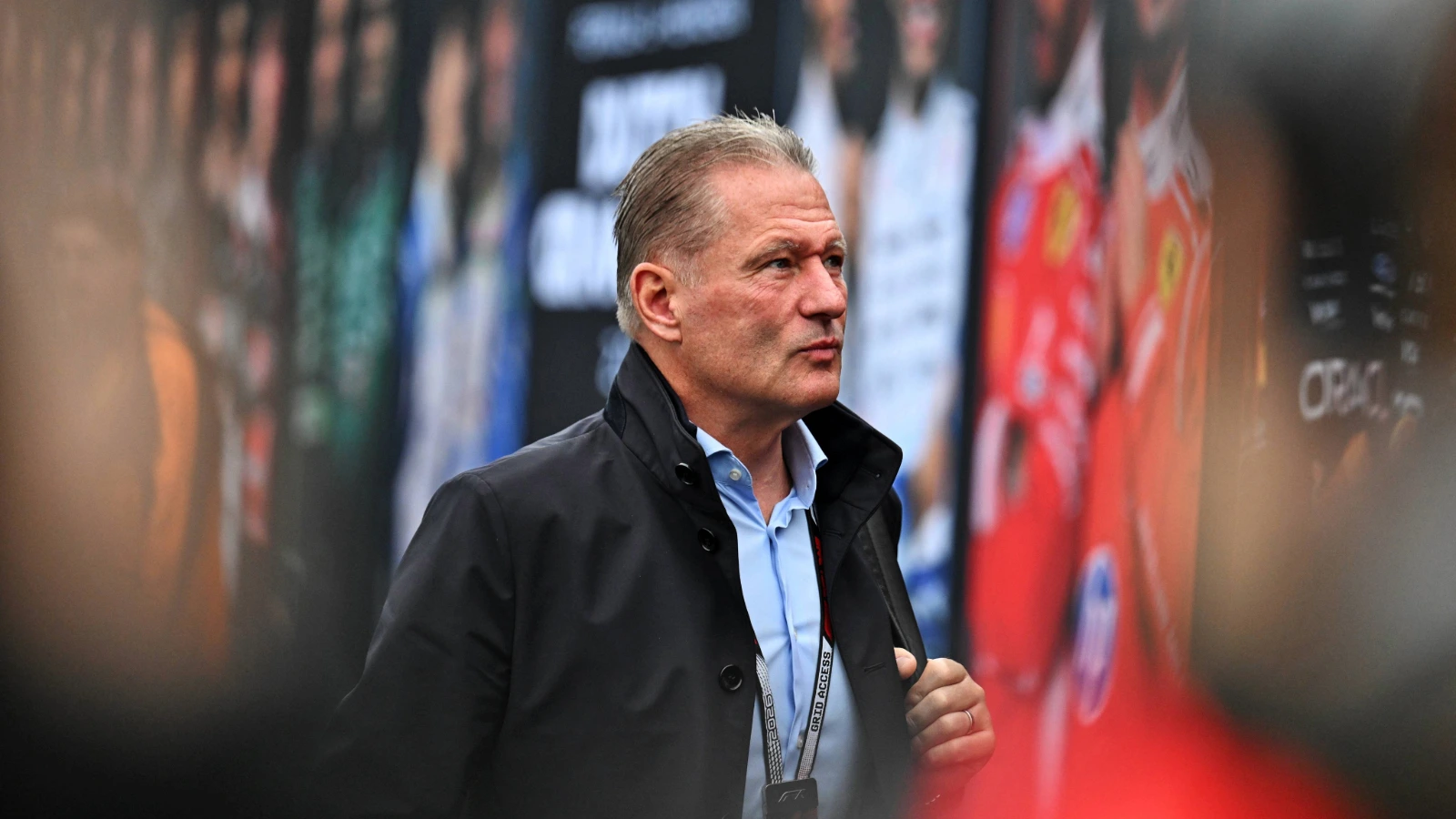
An AI-generated doctored image of Jos Verstappen spread online and set off false rumors about his health. The fake picture came from a manipulated screenshot from a Viaplay appearance, and it was convincing enough to make some people think he had become seriously ill. That gave the image a quick and unwanted reach, because it did more than look fake to a few casual viewers. It moved far enough to create concern and draw in some news sites before the truth caught up with it. The false claim did not start with any real news about Verstappen. It started with a doctored visual that was made to look like a genuine moment, then repeated fast enough to build its own momentum. Many social media users spotted the problem right away and recognized the image as manipulated, but the damage was already done. The rumor had taken hold in the spaces where altered images can travel faster than corrections, and that made the story about the image itself almost as important as the rumor it created. In this case, the fake picture did exactly what misleading images are built to do. It looked real long enough to confuse people, raise questions and push a false health scare into wider circulation.
Fake image spread
The reaction to the image split almost immediately. Some social media users called it out as manipulated right away, while some news sites were fooled by it. That contrast says a lot about how online misinformation works. A doctored image does not need to convince everyone. It only needs to look real long enough for people to share it, comment on it or pass it along before they check it. It looked like a captured moment, which gave the rumor a surface of credibility even though the image itself was false. From there, the story took on a life of its own. Concern grew around the idea that Verstappen was seriously ill, even though the claim had no basis in reality. The image became the trigger, not the proof. That is what made the response from social media users important. The people who recognized the manipulation helped cut against the rumor. Still, the fact that the image fooled some news sites shows how thin the line can be between a false post and a wider public story. Once an altered image gets enough attention, it can move through the online ecosystem quickly and pull more people into the confusion. The false rumor about Verstappen followed that path until he answered it himself.
Instagram response
Verstappen answered the rumors by posting a real photo of himself on Instagram. He used the post to shut down the false health claims directly and in his own words. “Everything is fine with me,” he wrote. He followed that with another line that made the point even clearer, “I’m not sick, just having a bad hair day.” The response was straightforward and left little room for doubt. Instead of letting the fake image keep driving speculation, Verstappen put a real image in front of his followers and paired it with a blunt denial. That mattered because the rumor had started with a visual trick. A real photo was the simplest way to answer a fake one. His message also matched the way the rumor had spread. The words were plain, but they carried the full response. He said he was fine. He said he was not sick. He reduced the whole episode to a bad hair day, which undercut the false seriousness of the rumor without turning the reply into something longer than it needed to be. The post closed the loop on a short burst of online confusion and put the facts back in place.