




Pedro Acosta blasted MotoGP tyre-pressure rule
NXTbets Pro | Published On: October 15, 2026
Acosta criticism
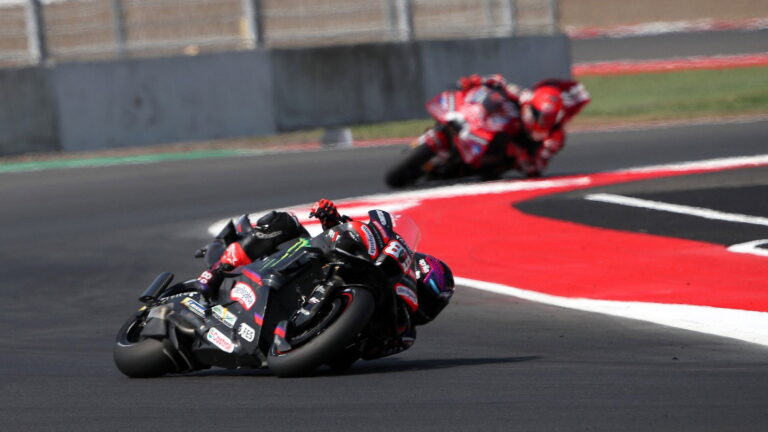
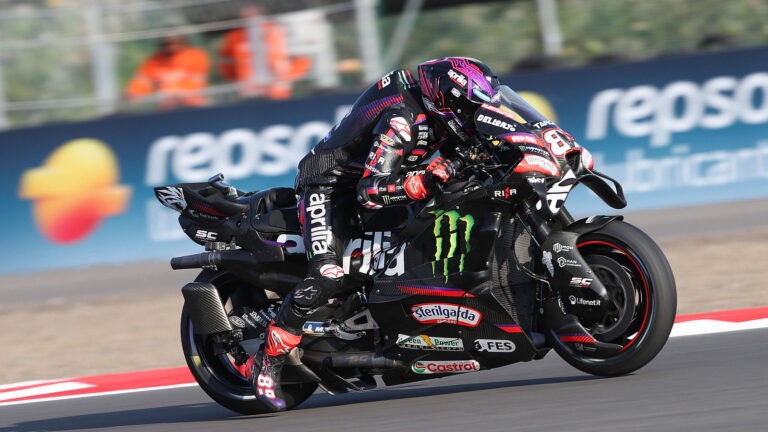
Acosta blasted MotoGP’s front-tyre pressure rule after it shaped his Indonesian Grand Prix, calling it “the biggest nonsense in the championship.” The complaint came after a race in which Acosta and Marc Marquez spent much of Sunday trying to manage their front-tyre pressure by letting each other pass. That tactic slowed both riders and helped Ai Ogura close in late in the race. Acosta’s point was simple. He wants a cleaner system, one where every rider rolls to the start with the same standard pressure and the check happens on the grid. That would cut out the current race-day calculations that turn pressure control into part of the fight for track position. Instead of pushing flat out every lap, riders now have to think about how each move affects the numbers on the bike. Acosta’s frustration came through in the way he described the rule, and his comments captured how much the issue can shape the flow of a grand prix long after the lights go out. In his view, the rule does more than police safety. It reaches into the race itself and changes how riders attack, defend and manage the pace when the battle at the front tightens.
Tyre-pressure rule
The current Michelin-backed system has a clear threshold. Riders must keep front tyre pressure above 1.80 bar for 60% of a grand prix or 30% of a sprint. Miss that mark and the punishment is severe. A rider gets a 16-second penalty in a grand prix and an eight-second penalty in a sprint. The rule has already altered results on the track. Maverick Vinales took a 16-second penalty at Mandalika, while Jorge Martin got caught out by the same rule in Saturday’s sprint and lost a sprint victory. Those examples show how closely MotoGP now watches front-tyre pressure and how quickly the outcome can change once a rider slips below the required range. The system leaves little margin once the pressure starts to fall. Riders who want to stay in contention have to keep one eye on the clock and another on the battle around them. That creates a strange kind of chess match, especially when the front of the field bunches up and every pass can affect the pressure reading. Acosta and Marquez lived that reality on Sunday, and the late-race charge by Ogura showed how a pressure-management battle can open the door for someone waiting behind.
Pirelli plans
Pirelli’s arrival in 2027 could bring relief, at least according to the expectations around the series. MotoGP expects the tyre-pressure problem to ease when Pirelli becomes the sole tyre supplier, and Pirelli has said its tyres should have a wider pressure operating window while the rule remains in place. Former MotoGP crew chief Ramon Forcada said Pirelli wanted to remove the controversial pressure penalties once it takes over as the only supplier. He said the company has been forced to keep the penalty system in place and would prefer a pre-race check with no post-race penalties. Forcada also said Michelin had planned a tyre for 2026 that would have reduced the pressure issue, but that project was later scrapped. That leaves the present system standing until the switch to Pirelli. For now, riders still have to manage pressure while they race, and the penalties remain part of the championship’s daily reality. The broader hope is that a wider operating window will reduce the need for the kind of in-race manipulation Acosta and Marquez used at Mandalika. For MotoGP, the pressure debate now sits between the hard penalties of the current rule and the promise of a cleaner, simpler future under a new supplier.