




Red Bull’s second-seat fix takes shape under Laurent Mekies
NXTbets Pro | Published On: October 2, 2026
Mekies changes Red Bull
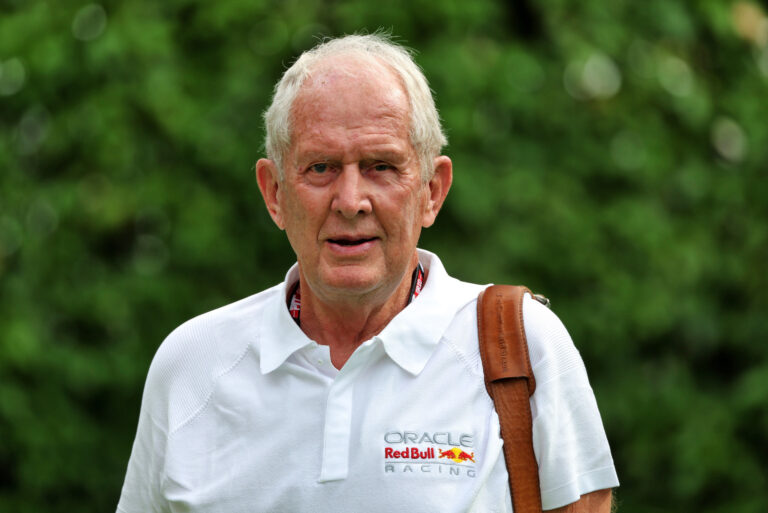
Will Buxton said Red Bull team principal Laurent Mekies has helped end the team’s second-seat “curse” by changing the way the organization treats the driver alongside Max Verstappen. Buxton said Mekies replaced a harsh, pressure-driven culture with a more supportive environment, and he contrasted that approach with the previous Red Bull era under Christian Horner and Dr. Helmut Marko. The shift matters because Red Bull has rotated through several teammates for Verstappen in recent seasons, moving from Sergio Perez to Liam Lawson, Yuki Tsunoda and Isack Hadjar. Buxton’s point was simple. The second car at Red Bull has often looked like the hardest seat in Formula One, and Mekies is trying to make it a place where a driver can settle in, build confidence and contribute instead of fighting the weight of the job from the first lap. That change has already become one of the clearest story lines around the team because it speaks to more than one race result. It speaks to whether Red Bull can build a stable structure around the driver lineup while still chasing wins at the front.
Hadjar responds in Baku
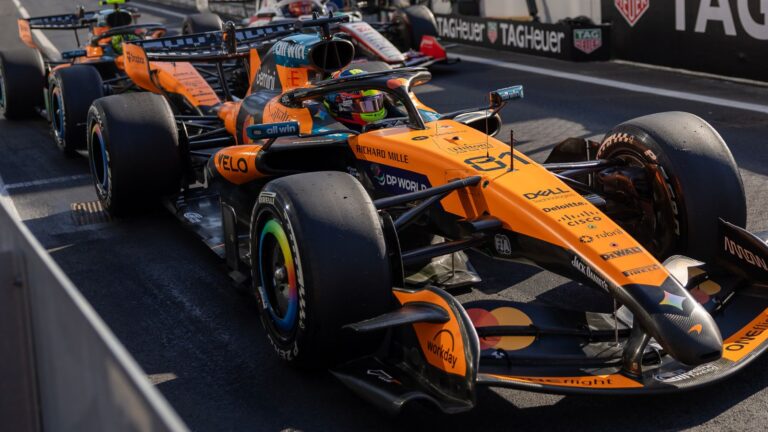
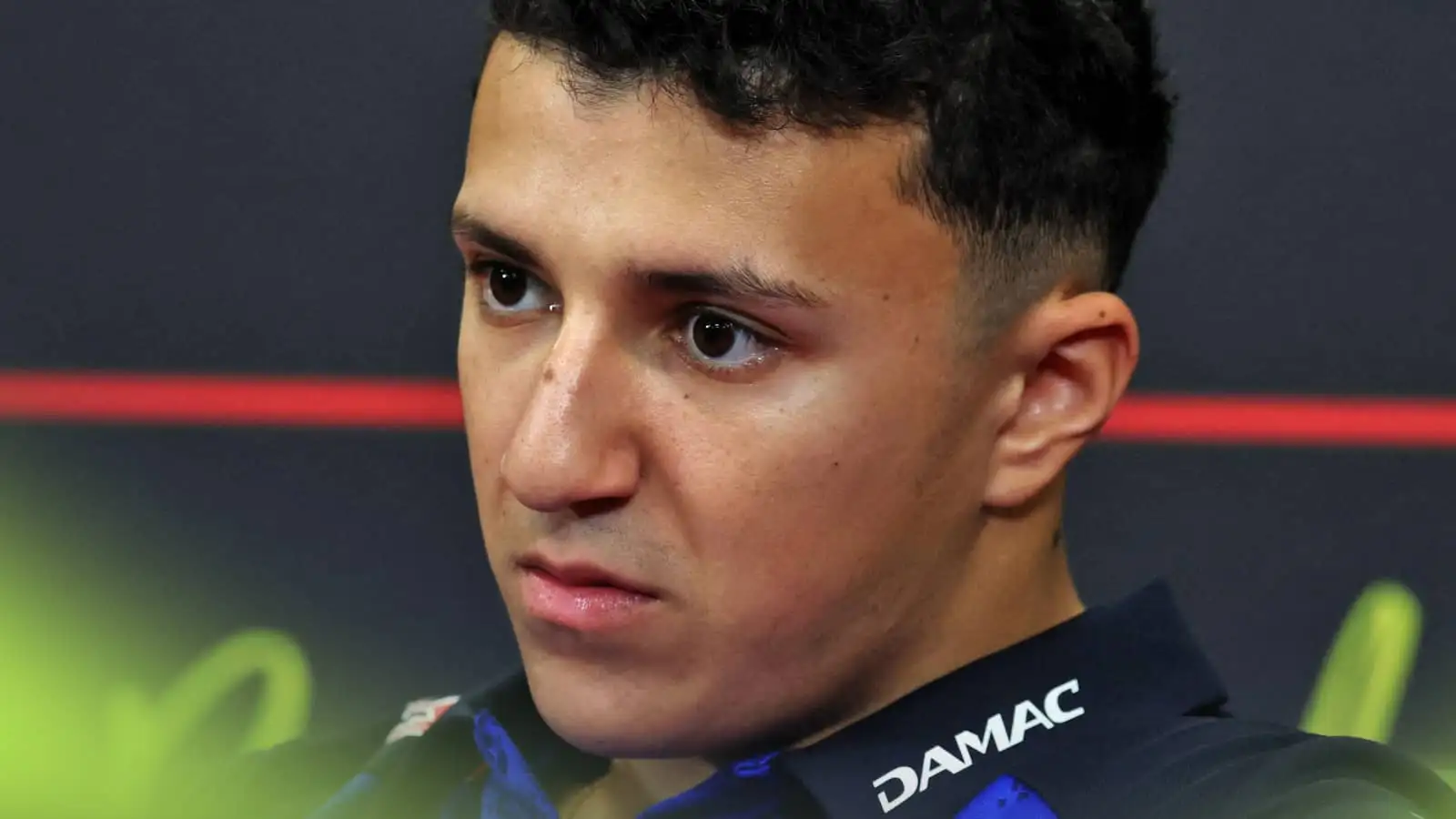
The strongest sign of that change came from Isack Hadjar’s return in Baku. Hadjar came back from a wrist injury at the Azerbaijan Grand Prix and finished third in his first race back. He also pressured Verstappen for the first half of the race, which showed he could handle the pace and the pressure of racing near the front. Buxton said the more supportive environment may be helping Hadjar get more out of himself, and the Baku weekend gave that idea real weight. Hadjar also grew frustrated while being held behind Verstappen on softer tires, a stretch that underlined how close the Red Bull cars were running and how much each driver wanted track position. Verstappen’s pace improved after a tire compound switch, and he finished 0.196 seconds behind race winner George Russell. The final margin told the story of the race. Hadjar was quick enough to make life difficult for the driver ahead of him, and Verstappen had enough pace after the switch to stay in the fight at the sharp end. For Red Bull, that kind of performance is valuable because it gives the team a clearer picture of what the second seat can produce when the driver feels supported rather than squeezed.
Team orders loom at Red Bull
Mekies said team orders between Verstappen and Hadjar would be a “good problem to have.” That line fits a team trying to turn a long-running weakness into a strength. Mekies said Verstappen and Hadjar are aligned on maximizing team results, even if difficult decisions are needed later. He also praised Hadjar’s Baku race as outstanding, which reinforces the impact of Hadjar’s Baku race. The next test comes in Malaysia, and Mekies said team orders are less likely to matter there because Hadjar has an engine penalty. He also described the race at Sepang as a survival test because of the heat, rough surface and heavy tire degradation. That description points to a weekend where strategy, tire management and staying out of trouble may matter as much as pure speed. It also changes the dynamic inside the garage. Instead of focusing on how Verstappen and Hadjar might work together at the front, Red Bull has to deal with the reality of a difficult circuit and an added penalty for Hadjar. Mekies has already framed the situation as one in which the team must make difficult calls while keeping both drivers aligned. If the atmosphere around the team stays as Buxton described it, Red Bull will keep testing whether its new approach can hold up when the race conditions turn harsh and the decisions get tighter.