





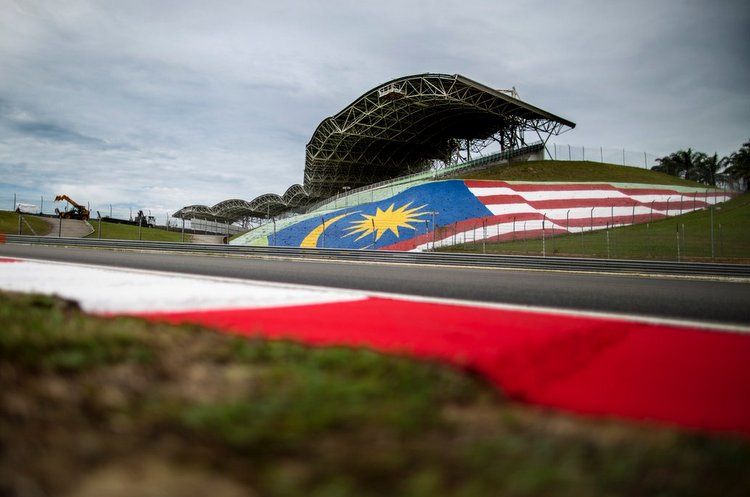
Sepang returns for F1 as heat and rain threaten Bahrain Grand Prix
NXTbets Pro | Published On: October 2, 2026
Sepang return
The circuit brings a long list of unknowns with it. The sport has not raced there since 2017, and none of the current cars have raced at Sepang before. The move comes after the original Bahrain Grand Prix was canceled because of the conflict in the Middle East. That sends teams into a weekend built around limited reference points and a track that can expose any weakness quickly. Sepang asks for a car that stays stable under braking, turns well through a mix of medium- and high-speed corners and delivers energy cleanly on the long straights. It is a layout that rewards confidence and punishes hesitation, which is why Friday’s first two practice sessions, scheduled for 12:30 local time and 16:00 local time, carry extra weight. Every lap will matter as teams try to understand a circuit that looks simple on paper but asks for precision in several areas at once.
Heat and rain
The weather may end up shaping the weekend as much as the racing. Forecasts call for hot, humid conditions, with temperatures around 32 degrees Celsius on Friday and Saturday and 31 degrees Celsius on Sunday. Track temperatures are expected to reach about 54 degrees Celsius, a level that can turn every stint into a tire-management exercise. The FIA has declared a Heat Hazard for Sunday because the heat index could exceed 31 degrees Celsius. That ruling brings extra driver-cooling equipment and a higher minimum car weight, which changes how teams approach setup and race preparation. Rain is also possible on all three days, with the highest chance on Friday, and Sepang’s late-afternoon thunderstorms remain a known threat. The combination of heat, humidity and rain risk gives the weekend a volatile edge, especially if the track goes from dry and slick to wet and unpredictable in a short span. Isack Hadjar said the new wet and intermediate tires are still hard to trust in heavy rain and that a heavy downpour would likely be chaotic. For drivers, that means the challenge is not just speed. It is staying ready for a sudden change in grip, visibility and race rhythm.
Tyres and timing
Pirelli has brought the C2, C3 and C4 tyre compounds, a choice meant to widen strategy options and narrow the gap between one-stop and two-stop races. That selection fits a circuit where the surface is rough and abrasive, so degradation is likely to be a major factor from the first meaningful run. Sepang also demands balance and braking stability through its faster sections, then asks for careful energy deployment down the straights. Williams chief trackside engineer Paul Williams said Friday practice is especially important because extreme heat, humidity above 80%, possible afternoon thunderstorms and limited relevant data make simulator correlation harder. The driver comments back that up. Fernando Alonso, George Russell and Carlos Sainz have all pointed to tyre overheating, tyre degradation and energy-deployment problems as central issues at the circuit. Free Practice 1 already offered a first look at the order, with Max Verstappen fastest in 1:37.520 ahead of Russell in hot, humid conditions. Free Practice 2 was under threat because of high rain chances and strong winds around the circuit, which only increases the value of every clean lap the teams can bank before the weather changes the picture again.