




Aston Martin Instability Blamed for 10th-Place Form
NXTbets Pro | Published On: August 4, 2026
Aston Martin instability
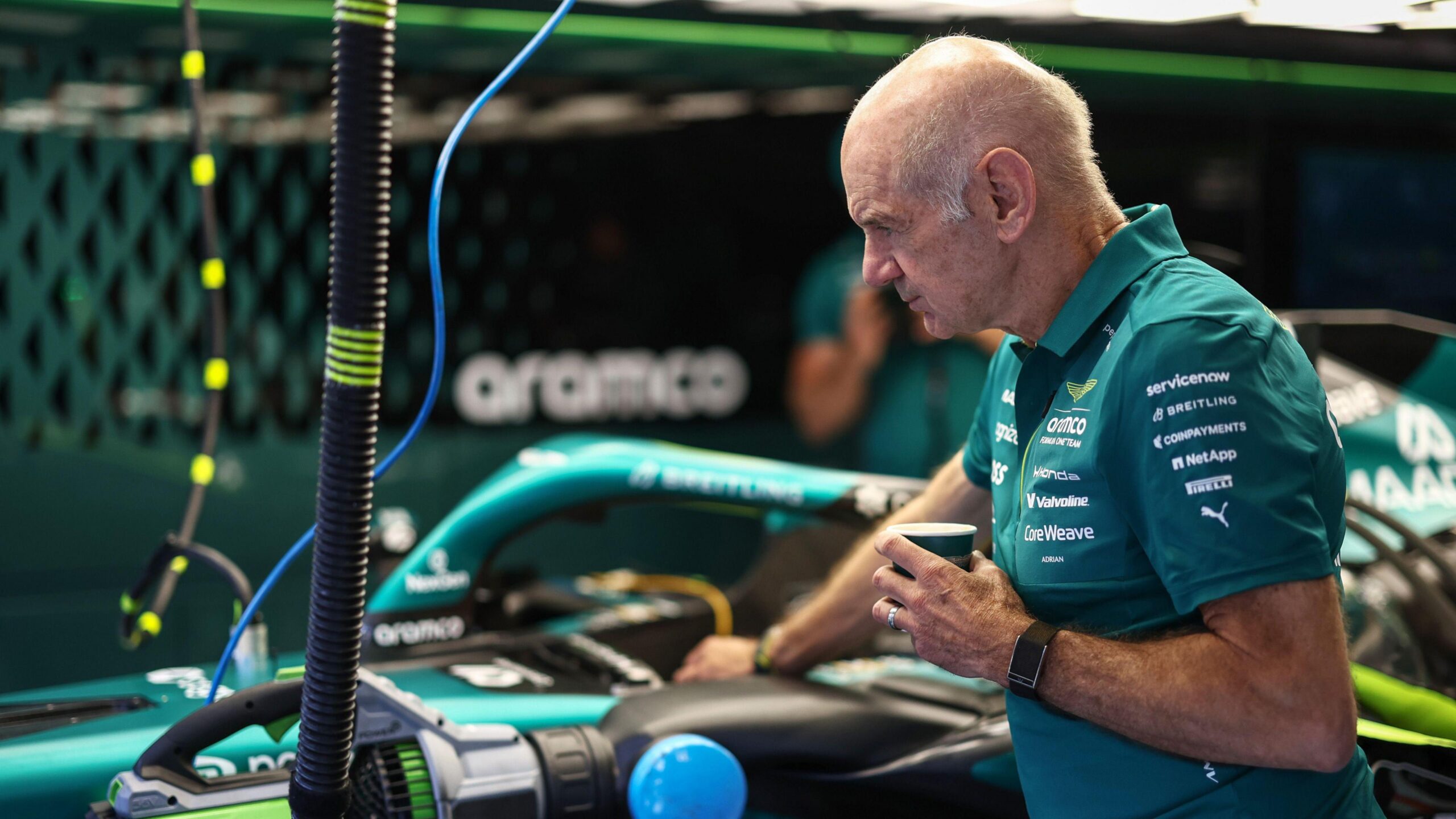
Former Aston Martin team principal Otmar Szafnauer said the team’s troubles can be traced back years, to a period when Lawrence Stroll pushed hard for quick success and the organization changed too often to build real momentum. Szafnauer said that kind of churn leaves a team without the continuity it needs to compete at the top in Formula 1. He pointed to Mercedes, Red Bull and Ferrari as the examples to follow, teams that stay stable and keep their core structure intact long enough to turn that stability into results. That view frames Aston Martin’s current position as more than a bad run of races. It speaks to a deeper problem in how the team has tried to grow. Stroll backed a major push at the Silverstone base before the cost cap era, including a wind tunnel, and the team has since tried to layer on a Honda partnership and the signing of Adrian Newey as part of a broader rebuild. Szafnauer’s point is that those moves can only go so far if the team keeps resetting its people, its methods and its direction. For him, the gap between ambition and performance has come from the lack of continuity.
Aston Martin rebuild
Aston Martin has kept investing in its future, but the rebuild has moved slowly because key pieces were not ready at the same time. The team’s wind tunnel did not come online until late in the spring, which left Aston Martin behind rivals that already had their development tools working at full speed. Honda’s engine program also lagged, so the team entered this phase with its chassis side and power unit side both catching up at once. That matters because the plan depends on the two programs working together. The team has already made changes to its technical direction, and that shift has delayed the full effect of Newey’s arrival. Aston Martin also knows that its next major step must come from the power unit side, with the first Honda engine upgrade due after the summer break. The long-term target remains a complete Newey-led design, but that project is still a way off. For now, Aston Martin is building around infrastructure, people and process, trying to close a gap that was created over several seasons of stop-start development.
Aston Martin progress
This season has started badly for Aston Martin, which sits 10th in the constructors’ standings with one point. Fernando Alonso scored that lone point in Monaco, and the early-season car has been described as uncompetitive and unreliable. The team responded with a major upgrade package in Hungary, and that package showed real progress. Aston Martin brought a much lighter car with more downforce, and the update reportedly cut lap times by about two seconds. Alonso also took the team through the first part of qualifying in Hungary for the first time this season, a small but clear sign that the new direction has given the drivers more to work with. The team also overhauled its processes later in the season, another sign that it sees the problem as broader than one poor package. Even with that progress, Aston Martin still trails Williams by 10 points, so the recovery has not erased the damage from the opening rounds. The bigger question is whether the current gains can hold until the next engine step arrives and the full Newey-led design becomes a factor. For now, Aston Martin has shown enough in Hungary to suggest a path forward, but the team is still far from the level it wants to reach.