




Verstappen topped Sepang return as F1 opened Bahrain practice
NXTbets Pro | Published On: October 2, 2026
Verstappen topped FP1
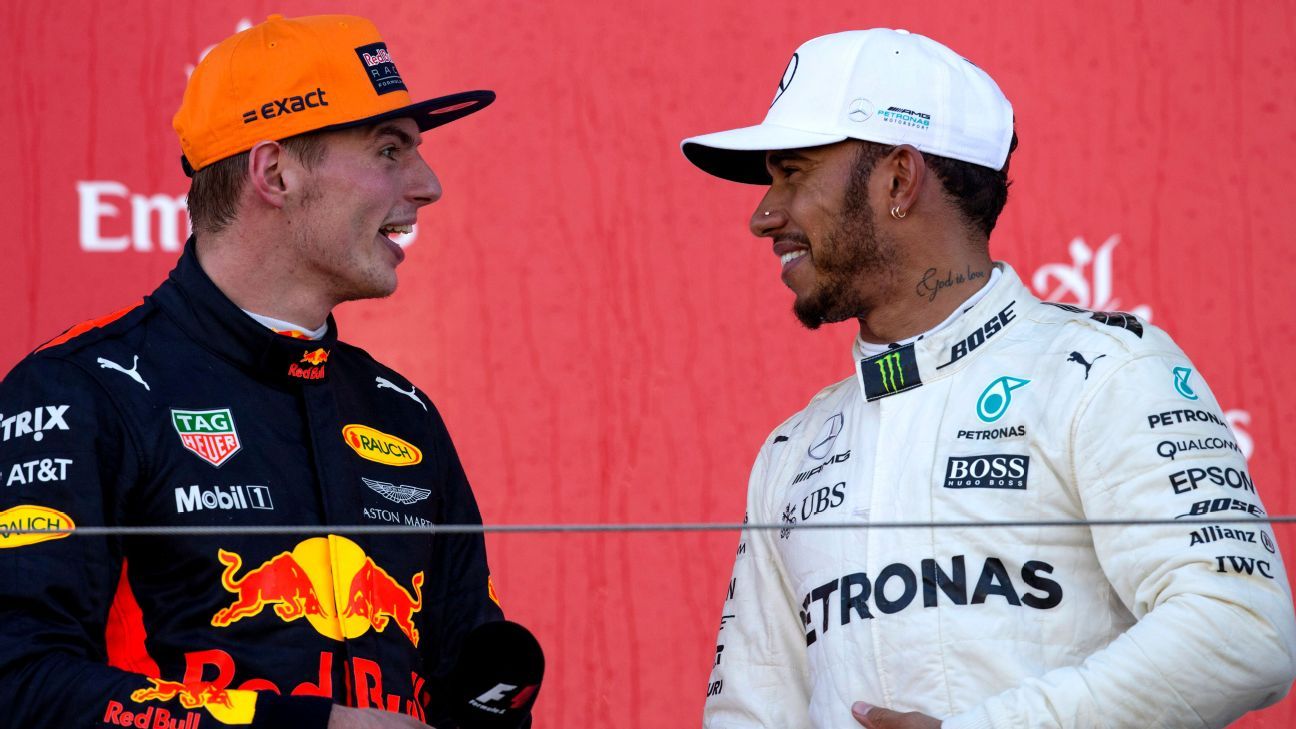
Max Verstappen opened Formula 1’s return to Sepang International Circuit with the fastest lap in first practice, and he did it in style. The driver set a 1m37.520s time to lead the Bahrain Grand Prix session in Malaysia, giving him the benchmark on a day that brought the championship back to a track it had not visited since 2017. George Russell chased him down but finished 0.383s back in second, and Red Bull’s Isack Hadjar took third. Charles Leclerc was fourth, Kimi Antonelli fifth, Lewis Hamilton sixth and Pierre Gasly seventh. The order at the top gave a quick snapshot of a session that mixed familiar names with a circuit that posed fresh questions for much of the grid. More than half of the current Formula 1 field had raced at Sepang for the first time, so every lap mattered. Verstappen also arrived with recent Sepang history on his side. He won the last Malaysian Grand Prix at the circuit in 2017, finishing ahead of Hamilton and Daniel Ricciardo. That result now sits almost like a time capsule, because the grid around him has changed sharply since then. Gasly made his Formula 1 debut in that 2017 Malaysian Grand Prix, and Carlos Sainz retired from seventh place in that race after a power unit failure. The comparison only sharpened the sense of a return to old ground with a very new cast.
Mercedes upgrade data
Mercedes used first practice to put a major upgrade package on the W17 through its paces, and the team spent much of the session gathering data on the car’s new floor, suspension and bodywork. That work mattered because Sepang offered little recent reference and a difficult surface on which to learn. The track was dusty. The conditions were hot and humid. Grip was low. Tyres took a beating in the heat, and Pirelli’s compounds came under heavy strain as teams tried to get through a session that asked a lot of both cars and drivers. Russell said the circuit felt “very cool,” a comment that cut against the brutal surface conditions and hinted at how tricky the balance could be for everyone in the field. Leclerc used even stronger language when he described tyre degradation as “insane.” Those comments fit the picture from the session, where teams worked to understand both pace and wear before the weekend moved forward. For Mercedes, the upgrade run was as much about information as lap time. The team needed to see how the updated package behaved across a lap and how it responded to the challenges Sepang creates. With limited recent data at the circuit, every run carried more weight than usual. The gap between collecting clues and chasing outright speed mattered, and Mercedes chose to prioritize the first part in FP1.
Sepang return changes
The broader story of the session was how Sepang changed the feel of the opening practice hour. The circuit brought back a venue that once sat deep in the Formula 1 calendar and now served as a reminder of how much the sport has turned over in a few years. Verstappen, Hamilton and Gasly all had direct links to the track’s recent history. Others were still far from Formula 1 the last time the series raced there. Antonelli, Oliver Bearman, Arvid Lindblad, Gabriel Bortoleto, Hadjar and Liam Lawson were still teenagers or younger in 2017, and they were competing in karting or junior series at the time. That contrast gave the session extra edge. It was not just about the timesheet. It was about a grid that was still learning one of the sport’s more demanding circuits under conditions that punished hesitation. McLaren had a difficult opening hour, with Oscar Piastri 11th and Lando Norris 12th, leaving the team with work to do after a session where the leading runners found more pace. The field still had a long weekend ahead, but FP1 already showed how Sepang could expose differences in preparation, car balance and tyre management. Verstappen set the pace. Mercedes gathered data. The rest of the grid started sorting out a track that had been out of Formula 1’s rotation for years and returned with heat, grip and history all demanding attention at once.