




Williams boss Vowles says cost cap widened gap to F1’s top four
NXTbets Pro | Published On: October 2, 2026
Cost cap effect
James Vowles says Formula 1’s cost cap has widened the gap at the front of the grid and turned the championship into what he called a “two-tier championship.” The Williams boss argued the rule, introduced in 2021, has delivered financial stability and sustainability, but it has done little to improve sporting equity or compress the field. He said the numbers show that split clearly. The top four teams have taken 83% of the points in the cost-cap era, up from a share in the 70s before the limit arrived. Non-top-four podium finishes have dropped to 5% from 10% before the cap. Vowles said the cap has locked in the advantage of the teams that entered the rule cycle with the strongest structures, deepest technical staffs and most complete infrastructure. That leaves the rest chasing a moving target. He said the cap controls spending, but it does not erase the gap in the foundations that separate the leading teams from the midfield.
Williams pressure
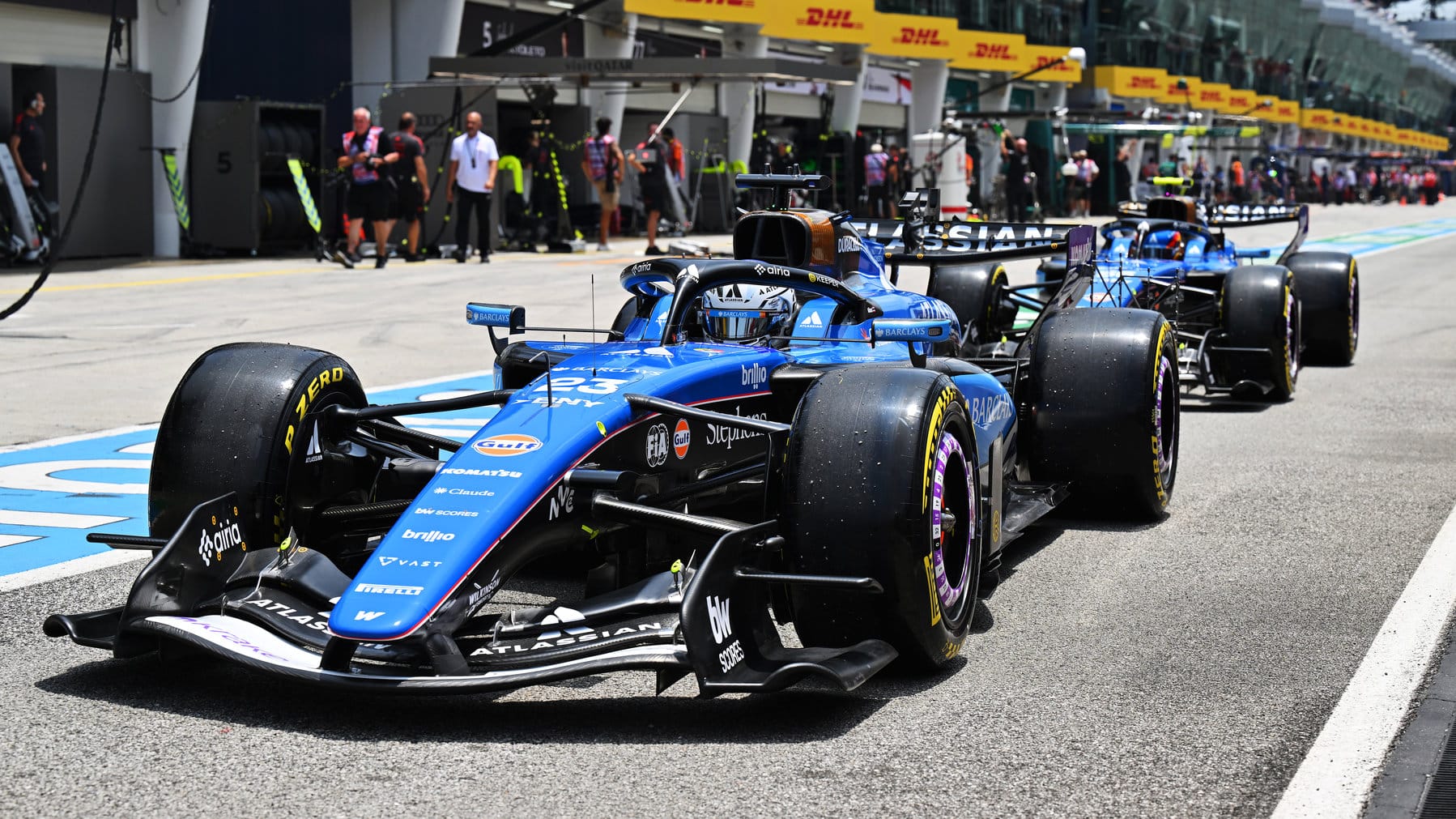
Vowles said Williams and other midfield teams face a trap that makes progress slow and expensive. He said rebuilding from a low base demands heavy investment in basic infrastructure, but that short-term spending can weaken future development under the current framework. That creates a bind for teams trying to climb. They need to spend to catch up, but each push forward can eat into the resources needed for the next step. Vowles described that as a “cost cap trap” and called for a simpler mechanism tied to championship position or points, one that would help smaller teams close the gap over time. He said Williams has also made winter mistakes and has gone backward this year. He added that the team carried an overweight car during the season, which put another drag on its performance. Taken together, his comments painted a picture of a team trying to work within the cap while still paying the price for old deficits, development missteps and a machine that never started from equal footing with the front-runners. Vowles framed the issue as structural, not just a matter of one bad run of form or one weak upgrade.
Paddock responses
Other figures in Formula 1 offered a different view of the cap’s purpose and place in the sport. Fred Vasseur defended it as a safeguard against bankruptcies, saying the pre-cap era left several teams near collapse. He also pointed to aerodynamic testing, where the sport already uses a sliding-scale system, as an example of how a tiered approach can work. Flavio Briatore took a harder line on the current setup. He said the cap is too complex and argued for all spending, including drivers, to sit inside one budget. Those comments show the debate around the cap is not just about how much teams can spend. It also touches on how Formula 1 should balance control, competitiveness and long-term survival. Vowles’ criticism focused on the gap between the top four and everyone else, but the wider conversation reflects the tension at the heart of the modern regulations. The cap has changed the business side of the sport. It has also left teams arguing over whether it has done enough to change the racing order.