




BKFC’s Dave Feldman saw influencers as ambassadors, not bare-knuckle fighters
NXTbets Pro | Published On: October 18, 2026
Influencer plans
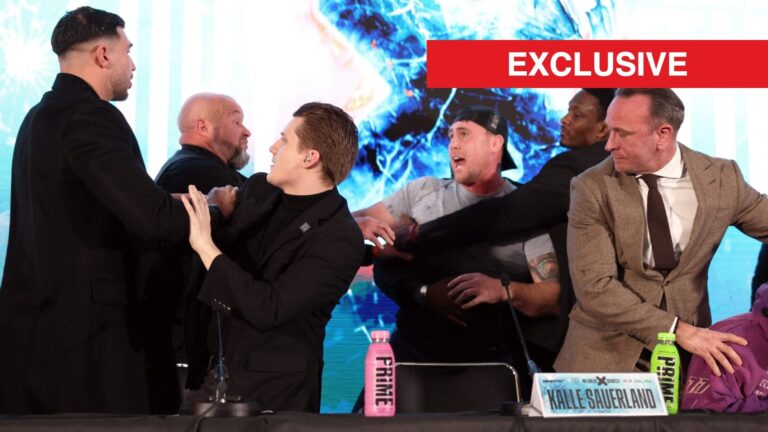
BKFC President Dave Feldman said the promotion could work with influencers, but only if they brought real fighting experience to the table. He made clear that the company was not looking to treat social-media popularity as a stand-alone credential for bare-knuckle competition. Feldman’s comments pointed to a line BKFC appeared ready to draw. The promotion could use recognizable personalities, but it wanted them to fit the demands of the sport first. That approach kept the focus on fighting ability and avoided putting inexperienced names into a setting that demanded a real combat background.
Feldman said BKFC planned to involve influencers more through appearances, content and brand ambassador roles rather than automatically placing them in the ring. That gave the promotion room to use the reach and recognition that influencers could bring without asking them to take on a bare-knuckle bout they were not prepared for. The model also kept the promotion tied to the action that defined it. In Feldman’s view, the ring was still for people who could fight, while influencers could help the company build attention and support in other ways. He framed the idea as a practical one, not a gimmick. The message was clear. BKFC could use influence, but it wanted combat credibility to stay at the center of the product.
Fighting standards
Feldman also stressed that inexperienced influencers would not be suited for bare-knuckle competition. That point sharpened the standard BKFC appeared to be applying as it weighed how to use outside personalities. The promotion was open to crossover names, but it was not treating every public figure as a fit for the ring. Bare-knuckle fighting asked for more than name recognition. It asked for the ability to handle the pace, the pressure and the physical risk that came with the format. Feldman’s comments made that boundary plain.
He pointed to Aaron Chalmers as the closest example of an influencer-style fighter in BKFC because Chalmers already had prior fighting experience. That distinction mattered to the promotion’s approach. Chalmers represented the type of crossover figure BKFC could justify, someone with a background that made the jump into the sport more credible. Feldman’s reference to Chalmers suggested BKFC was not closing the door on personalities with broad appeal. It was setting a threshold. The promotion wanted people who had done real fighting work before they stepped into its world. That kept the sport’s standards intact while still allowing BKFC to find ways to use recognizable names around the brand.
Main event reaction
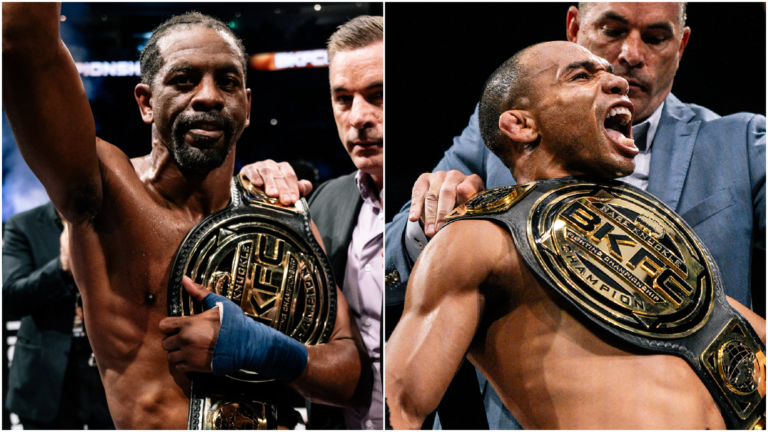
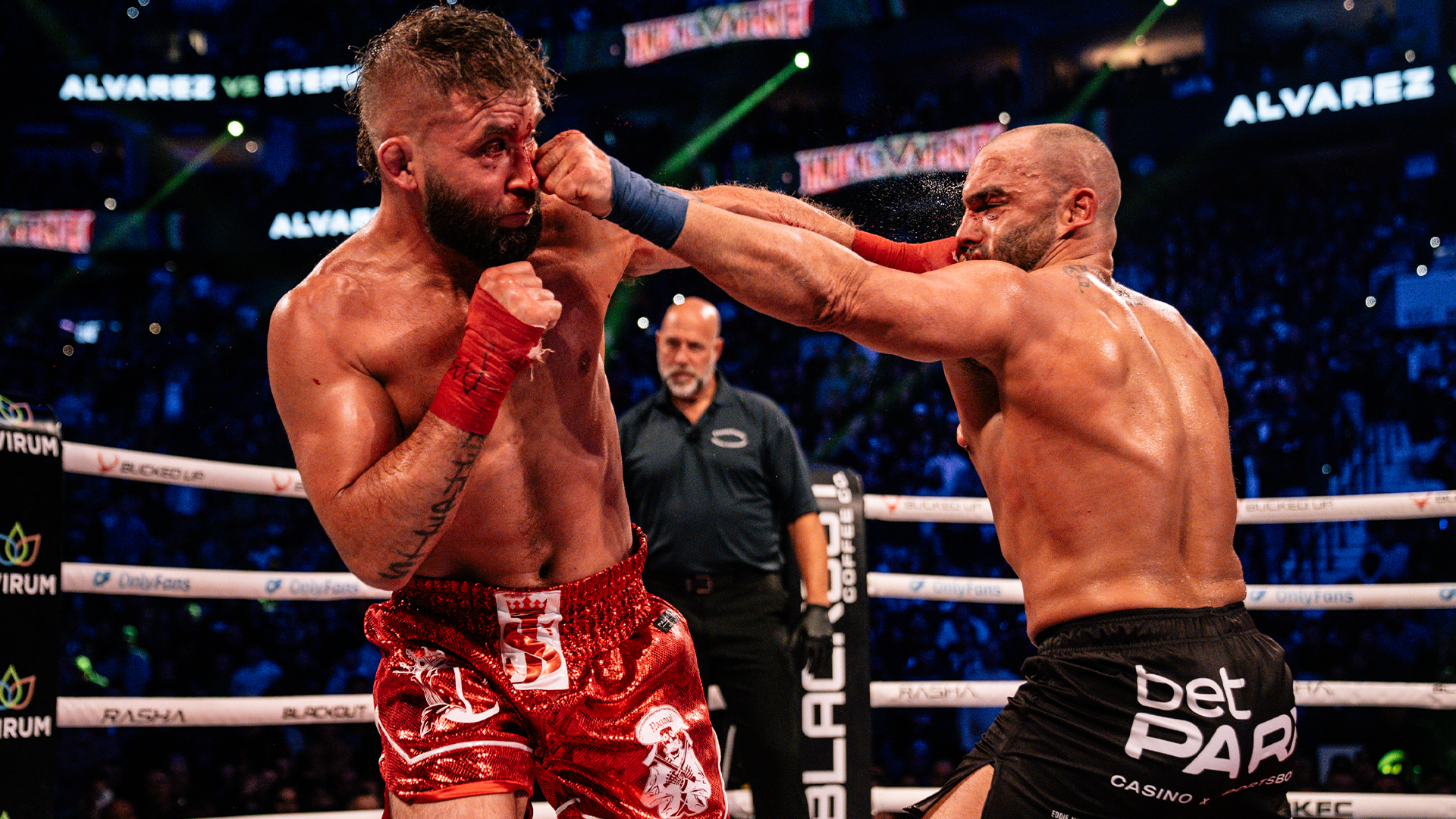
Feldman also addressed the John Dodson-Jamel Herring main event, and he did not hide his reaction. He said the bout left him disgusted because he wanted more action and more effort to create a fight. That criticism gave a direct look at what BKFC expected from its biggest showcases. The main event did not meet Feldman’s standards, at least in his view, and he made that frustration public after BKFC 95 in Newark, New Jersey. The comment fit the same theme that ran through his remarks about influencers. BKFC wanted participants who brought real intent and real engagement, whether they were established fighters or crossover names.
The reaction to the bout also reinforced how seriously Feldman viewed effort inside the BKFC format. He was not talking about style points or pacing. He wanted a fight that delivered more action. That demand sat at the center of the promotion’s identity. BKFC sold bare-knuckle competition as a hard-edged product, and Feldman’s remarks showed he expected the main event to match that image. When it did not, he noticed. His response after the Newark event linked the promotion’s plans for influencers with its standards for established fighters. In both cases, the message was the same. BKFC wanted people who were ready to compete, ready to engage and ready to deliver the kind of fight the promotion expected.