




Ferrari adds rear-corner revamp to fix Austria overheating ahead of Silverstone
NXTbets Pro | Published On: July 6, 2026
Ferrari cooling focus
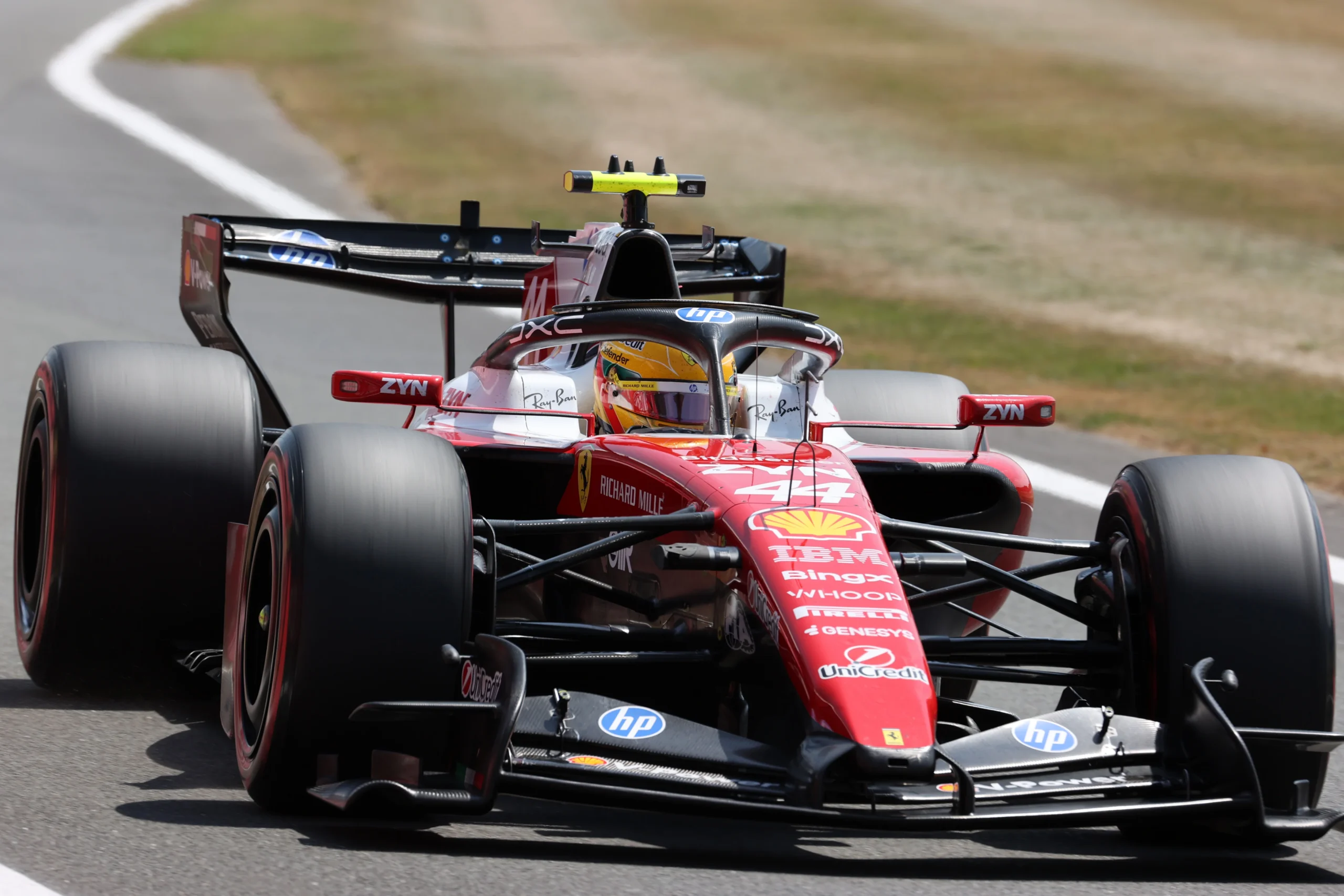
Ferrari arrived at Silverstone with cooling and reliability at the top of its list after both SF-26 cars overheated at the Austrian Grand Prix. The team responded with a consolidated rear-corner upgrade package built around larger inlets and outlets and a reshaped rear section. Ferrari aimed the changes at extra cooling, better aerodynamic efficiency and stronger durability, a clear sign the team is treating thermal management as a race-critical issue rather than a minor tweak. Silverstone raises the stakes for that approach. The circuit places unique stresses on high-speed Formula 1 cars, so aerodynamic efficiency and cooling sit near the top of every team’s checklist. Ferrari’s update fits that brief. It also points to a broader effort to steady the car at the rear while keeping temperatures under control. In that respect, the package reaches beyond a simple airflow fix. It ties together cooling, efficiency and reliability in one development path, which is the kind of response teams use when a race weekend exposes a weakness that cannot wait for a later reset. Ferrari did not come to Silverstone chasing a cosmetic gain. It came with a targeted solution for a problem that showed up in Austria and could affect performance again on a track that asks for efficiency and thermal discipline.
Silverstone upgrade mix
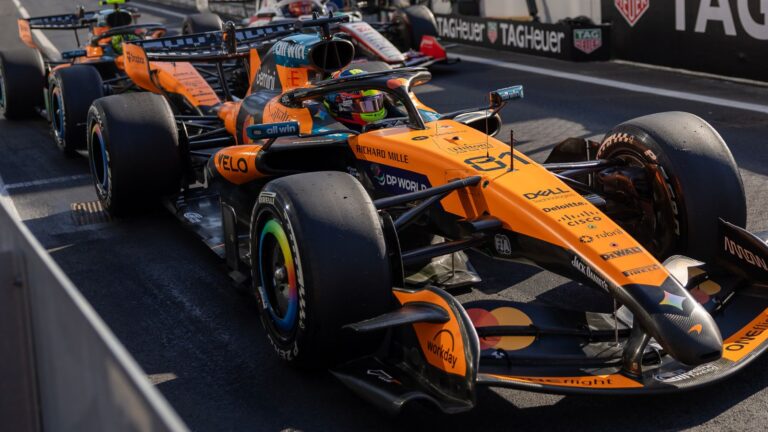
Ferrari’s changes landed in the middle of a packed upgrade picture across the paddock. McLaren brought a revised front brake duct design and floor updates for the MCL40. Red Bull turned up with a new rear wheel bodywork assembly and revised cascade wings. Racing Bulls updated its floor edge, diffuser geometry and rear-corner deflector. Haas introduced a new rear wing. Williams added a new front wing for its home race. The range of parts shows how teams read Silverstone in similar ways even when their solutions differ. Some focused on airflow around the floor, some on rear stability and some on braking and cooling hardware. That lines up with the main themes in the paddock, which centered on flow conditioning, rear stability and thermal management. Those priorities shaped the weekend’s technical picture more than any single headline item. Teams used the same race as a test bed for different parts of the car, but the shared logic was clear. They wanted cleaner airflow, more stable rear-end behavior and better control over temperatures as the cars ran through Silverstone’s fast corners and exposed sections. Ferrari’s rear-corner package sat squarely in that conversation, but it was far from the only answer on the grid. The field arrived with a broad spread of small and medium-sized developments, each aimed at the same core problem of making the car work harder without giving away balance or cooling.
Mercedes and Aston Martin
Mercedes and Aston Martin took a different route and arrived without upgrades. Mercedes had made only four car changes since its first major package at the Canadian Grand Prix, which gives the team a much quieter development profile than several rivals at Silverstone. Aston Martin held back its larger upgrade package until the Hungarian Grand Prix and raced at Silverstone without new developments. That left both teams watching others move forward while they kept their own technical plans intact. It also sharpened the contrast between the squads that chose to press on with new parts and the ones that stayed patient. In a week where flow conditioning, rear stability and thermal management defined the update list, Mercedes and Aston Martin opted for continuity. That can be a deliberate call at a demanding circuit like Silverstone, where the pressure on high-speed cars can expose weaknesses fast and reward a package that already works cleanly. It also reflects the different stages of each team’s development path. Mercedes has made only a small number of changes since its first major package in Canada, while Aston Martin has chosen to wait for a larger step at the Hungarian Grand Prix. Against that backdrop, Ferrari’s rear-corner revision stood out as a direct response to a specific overheating issue, while much of the rest of the grid used Silverstone to refine the same technical themes in smaller ways.