





FIA aims 630kg F1 cars, V8 return with 760hp and 10% hybrid by 2031
NXTbets Pro | Published On: June 14, 2026
Car weight reduction plan
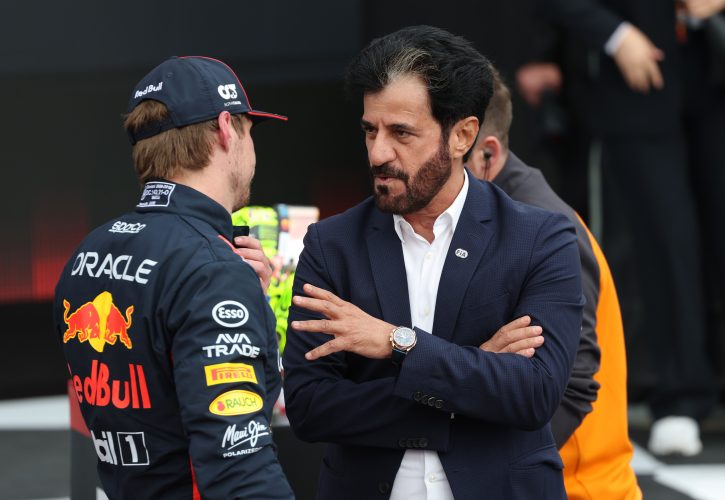
FIA president Mohammed Ben Sulayem has outlined a plan to cut Formula 1’s minimum car weight to 630kg by 2031. The proposal aims to reverse a steady climb in mass that has pushed the current minimum for F1’s new-generation cars to 768kg. The FIA already plans a 30kg reduction for 2026 as a first step, and Ben Sulayem frames the 630kg target as a continuation of that program. He argues heavier cars have become more complex, more expensive and less safe, and he points to safety systems and hybrid components as major reasons cars have gained weight over time. Under Ben Sulayem’s outline, the goal is simpler, lighter packages that still meet safety standards while improving on-track performance. He says reducing weight will shrink development and operating costs, and he links the change directly to better racing by restoring agility and clearer feedback from chassis and tires.
V8 engine return
Ben Sulayem wants Formula 1 to return to V8 engines by 2030, or at the latest 2031, as part of a broader power unit reset. He presented a concept in which the internal combustion engine would produce about 760 horsepower, with roughly 10 percent of total power coming from electrification. The proposed formula would use sustainable fuels as the combustion component, and the V8 would be simpler than current hybrid power units. Ben Sulayem said the FIA could impose an engine change even if power unit manufacturers do not approve it, signaling a willingness to use regulatory authority to meet the timeline. The V8 idea is positioned as a way to recover a more visceral engine note for spectators while keeping a measured role for electric drive in performance and efficiency.
Costs, safety and spectator experience
Ben Sulayem ties the weight and engine proposals to three concrete outcomes: lower costs, improved safety and stronger spectator appeal. He says lighter, simpler cars will reduce the escalating expense tied to heavy safety systems and complex hybrid hardware. He also says lighter packages will improve safety and on-track performance by making cars easier to manage in crashes and by restoring clearer handling characteristics for drivers. On the fan side, Ben Sulayem argues that a return to V8 architecture, combined with reduced weight, would improve engine sound and the overall spectacle. The plan links technical limits and fuel choices to those goals, with sustainable fuels required for the combustion element and a modest 10 percent electrification target to preserve some hybrid benefits while trimming complexity.