




Norris Qualifies Sixth After McLaren Brake Duct Damage at Silverstone
NXTbets Pro | Published On: July 6, 2026
Norris damage control
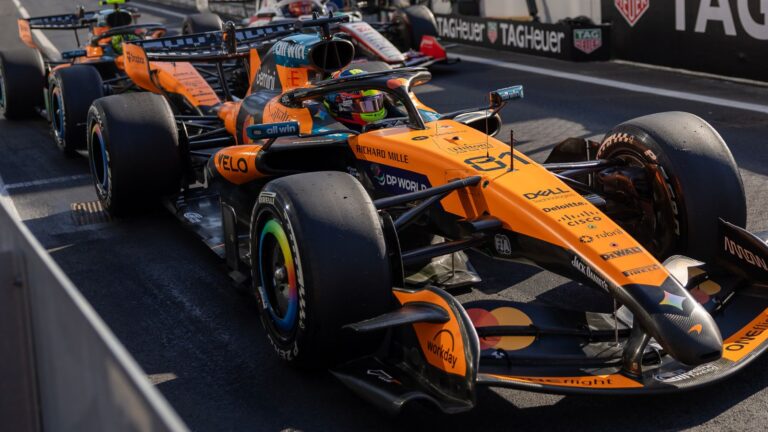
McLaren driver Lando Norris finished sixth for the sprint at Silverstone after a damaged front brake duct blunted his car through British Grand Prix Sprint Qualifying. McLaren arrived with modest expectations and treated the session as damage limitation, not as a chance to show outright pace. The trouble came from McLaren’s new front brake duct upgrade. Norris said the car felt "pretty shocking" once the damage set in, and he said the part stripped away downforce and made the McLaren hard to handle. He also said the damage was more severe than he first expected.
McLaren could not repair the car before SQ2, and Norris could do no better than 10th in SQ1 and SQ2 while the problem stayed on the car. The team fitted a replacement part before SQ3, and Norris said the car felt much more normal as soon as the new piece went on. He said the pace then sat about where it should have been after the fix, but the late repair did not leave enough time to chase a standout result. Norris also believed he could have gone faster on the final lap once the car returned to full health. The session turned into a recovery job, and Norris still only climbed to sixth.
McLaren pace gap
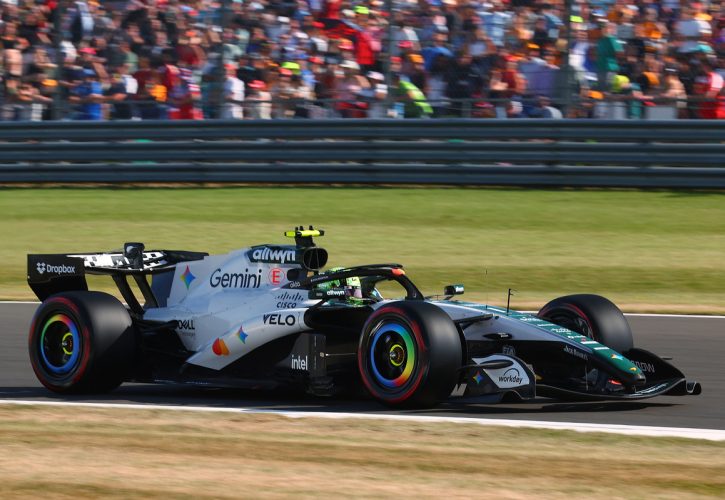
The broader picture for McLaren was plain enough. The team struggled with drag and energy management in sprint qualifying, and that held both cars back over a single lap. Norris said Mercedes looked clearly quicker overall, and he did not expect McLaren to fight Ferrari or Mercedes in the sprint. That assessment matched the way the session unfolded. McLaren spent the run trying to limit the damage from the brake issue and from the car’s broader pace problems, then used the final phase to reset Norris’s car and salvage a more respectable grid spot.
That recovery mattered, but it did not change the shape of the evening. The repaired McLaren was better, and Norris said it felt much more normal after the replacement part went on. Even so, the fix only got the car back to the level it should have reached earlier, and that left McLaren chasing the sharper front-running pace instead of challenging it. The team had already come into Silverstone with a cautious outlook. Sprint qualifying reinforced that view. The car lacked the speed to force its way into the fight at the front, and the gap to Mercedes stood out in Norris’s own comments. McLaren left the session with the damage contained, but not erased.
Piastri seventh run
Oscar Piastri gave McLaren a second car in the top 10, but the result still underlined the team’s limits. The McLaren driver briefly topped SQ3 before qualifying seventh for the sprint. That kept both McLarens close together in the order, with Norris sixth and Piastri seventh, but it did not alter the wider picture of the session. McLaren had enough pace to stay in the mix once the car settled, and Piastri’s brief run at the top of SQ3 showed the team could still find a sharp lap. The final result, though, left both drivers behind the front end of the field.
Piastri’s effort also fit the same overall theme that ran through Norris’s evening. McLaren fought to keep the car competitive after the brake duct issue, then leaned on the final part of the session to extract what it could from the package. Piastri’s seventh place added a second solid result to Norris’s sixth, but neither driver reached the level McLaren needed for a true breakthrough at Silverstone. The team’s single-lap problems, the drag and energy management concerns, and the lost downforce from the damaged part all fed into the same outcome. McLaren repaired one car in time to improve it, and both drivers still ended up short of the pace at the front.