





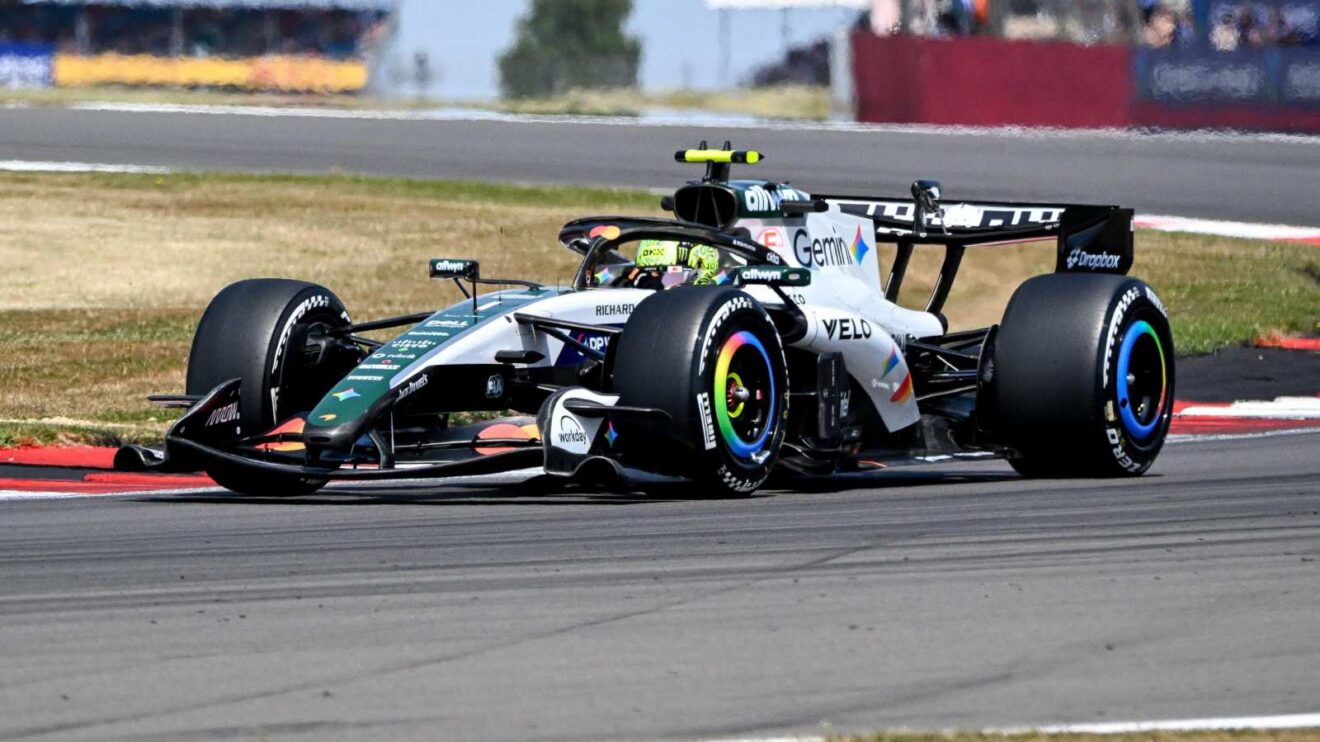
McLaren delays Mercedes reliability fix until Belgian GP
NXTbets Pro | Published On: July 6, 2026
McLaren delays switch
McLaren will stay with its current Mercedes power unit specification for the British Grand Prix and wait for the reliability upgrade until the Belgian Grand Prix, with Zak Brown saying the team still has usable life left in its present engines and mileage that must be completed first. Brown framed the call as a timing and risk-management decision, not a rejection of the new Mercedes package. McLaren wants to protect its limited power unit allocation and avoid creating a bigger problem later in the season, when component limits can trigger grid penalties. That approach keeps the team on a familiar package for now and pushes the change to its next scheduled engine swap. McLaren is the only Mercedes customer team that has not yet adopted the revised specification, while most of the other customer teams moved to the newer components at Silverstone. The decision also fits the reality of a long Formula 1 season, where teams track engine life as carefully as lap time. Brown said McLaren can still close the gap to Formula 1’s frontrunners and believes it can win races later in the campaign. That message gives the team a clear line. It is holding back on a technical change that brings durability value, not a headline-making performance gain, because the current engines still have work to do.
Mercedes reliability update
Mercedes introduced the revised power unit specification at the Austrian Grand Prix after earlier retirements raised durability concerns, and the update focuses on reliability rather than outright performance. The package includes modified batteries, part of a broader effort to strengthen the unit after the earlier issues put pressure on the manufacturer and its customer teams. The change arrived after Mercedes had already set a strong early standard in the championship. The team won seven of the first eight races of the season and took pole position at every round in that opening stretch, a level of control that underlined its pace while also putting more attention on reliability across the grid. Most Mercedes customer teams adopted the newer components at Silverstone, which left McLaren as the lone holdout. That makes McLaren’s decision stand out, but it does not change the intent behind the upgrade. The revised specification was built to address durability concerns, not to chase a faster qualifying lap or a bigger race-day top speed. In practical terms, it gives teams a safer path through the rest of the year. Brown’s comments made clear that McLaren sees the same value in the new unit. The team simply wants to use its present allocation to the fullest before making the switch.
Brown manages mileage
Brown’s approach reflects the way McLaren is managing its power unit inventory while it sits third in the constructors’ standings heading into the British Grand Prix. The team is balancing immediate reliability with the longer view, where every engine component has to cover a full season and every swap carries consequences. McLaren’s current package still has mileage left, and Brown said the team intends to use that mileage before moving to the updated Mercedes specification. That is the core of the plan. It keeps McLaren from burning through parts too quickly and lowers the chance of reaching the later rounds with fewer options, a place no team wants to be when penalties become a real threat. Brown also tied the decision to the team’s broader race outlook. McLaren expects to tighten the race at the front and still believes a win is possible later in the year. That confidence matters because the team is not reacting to a lack of trust in Mercedes. It is choosing the point in the schedule that makes the most sense for its own component count and race plan. With Mercedes already deeply into the season on the strength of its early results, and with most of its customer teams already on the updated hardware, McLaren’s move reads as a deliberate hold rather than a delay born of doubt.