




Mercedes prioritizes upgrades over cooling vest development
NXTbets Pro | Published On: October 3, 2026
Mercedes upgrades
Mercedes put its resources into the car, not the cooling vest, as George Russell and Andrea Kimi Antonelli prepared to race without the system at the Malaysian Grand Prix. The team chose pace under Formula 1’s cost cap and left further vest development behind. That call came with the race marked as a heat-hazard event by the FIA and temperatures forecast to top 31C. Track temperatures on Friday climbed to about 60C in high humidity, and cockpit temperatures could reach 50C. In that kind of heat, Mercedes leaned into performance gains it could see on the stopwatch. The team brought a seven-component upgrade package to Sepang, including a new floor and changes to the sidepods and rear suspension. Mercedes expected the package to improve pace by about three tenths. That is the sort of gain the team could measure, while further vest development was not prioritized. The FIA’s system can pump chilled liquid through a fireproof top, but Mercedes decided it had more to gain by sharpening the car than by pushing the vest further.
Russell concerns
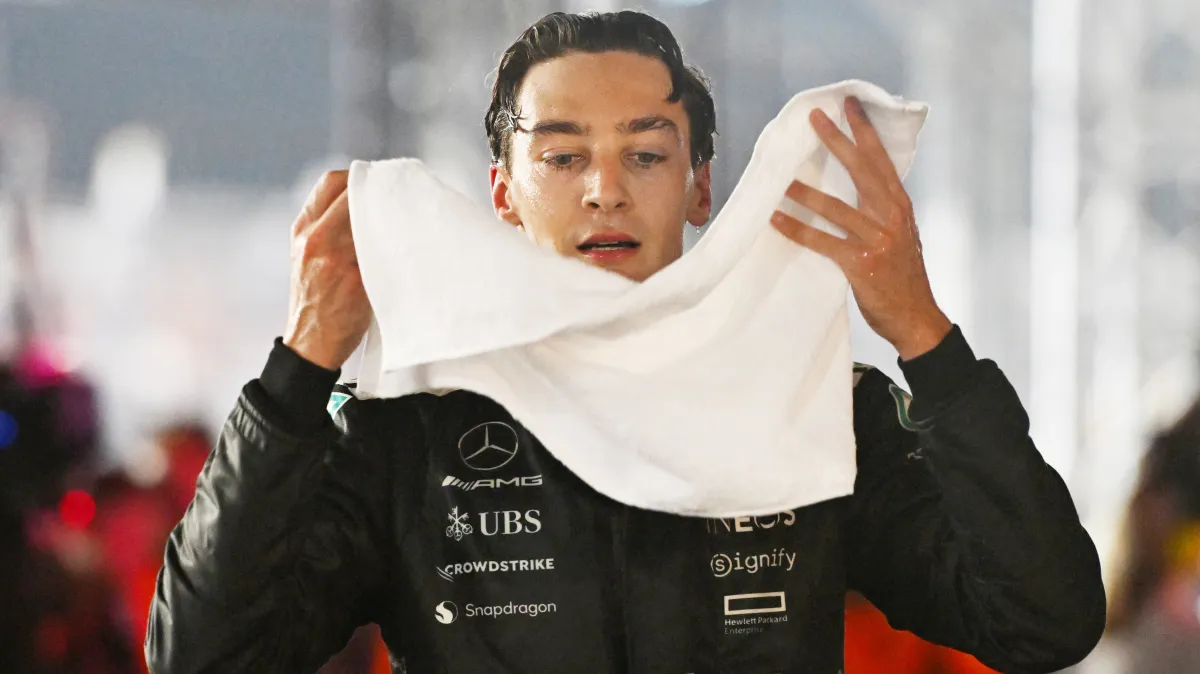
Russell said Mercedes had not put enough resource into making the vest robust enough, and he made clear he wants the technology to reach every driver. His view was blunt. Cooling vests should be available to all drivers, he said, and Formula 1 should respond in one of two ways. The series can add money to the cost cap to cover the work, or it can develop a standard cooling-vest solution centrally for all teams. Russell has lived through the effects of extreme heat before, and that experience shaped his stance. He said the issue mattered after he needed medical attention for dehydration or heat exhaustion at the Qatar Grand Prix in 2023. He also described the cockpit as feeling like “sitting in an oven.” That line matched the forecast for Sepang, where the heat and humidity promised to test drivers from the start. Russell’s comments put the focus on safety as much as comfort. He did not frame the vest as a luxury item. He treated it as equipment drivers should be able to trust when the temperatures rise and the race turns into a physical grind.
Singapore next
Russell still wants to use the cooling vest next week in Singapore, which keeps the debate moving beyond one race in Malaysia. That plan shows the split inside Mercedes. The team has committed to the upgrade package on the car, yet the driver still sees value in the vest when the calendar turns to Singapore. The issue is a practical one for Formula 1, where the cost cap forces teams to choose between different paths for development. Mercedes chose the path it believed would bring the clearest gain on track. A new floor, sidepod changes and rear suspension updates offer direct performance targets, and the team expected the package to deliver about three tenths. The vest, by contrast, remained a work in progress. Russell’s push for a common solution or extra cost-cap room points to a wider question about how the sport handles extreme conditions. The FIA already classed the Malaysian Grand Prix as a heat-hazard event, and the measured and forecast temperatures showed why. Russell’s remarks tied the technical and human sides together. Mercedes wants the pace. Its driver wants protection. Formula 1 now has both problems in view.