




NASCAR Allowed Front Brake Rotor, Pad Changes at Phoenix
NXTbets Pro | Published On: October 14, 2026
Brake-rule change
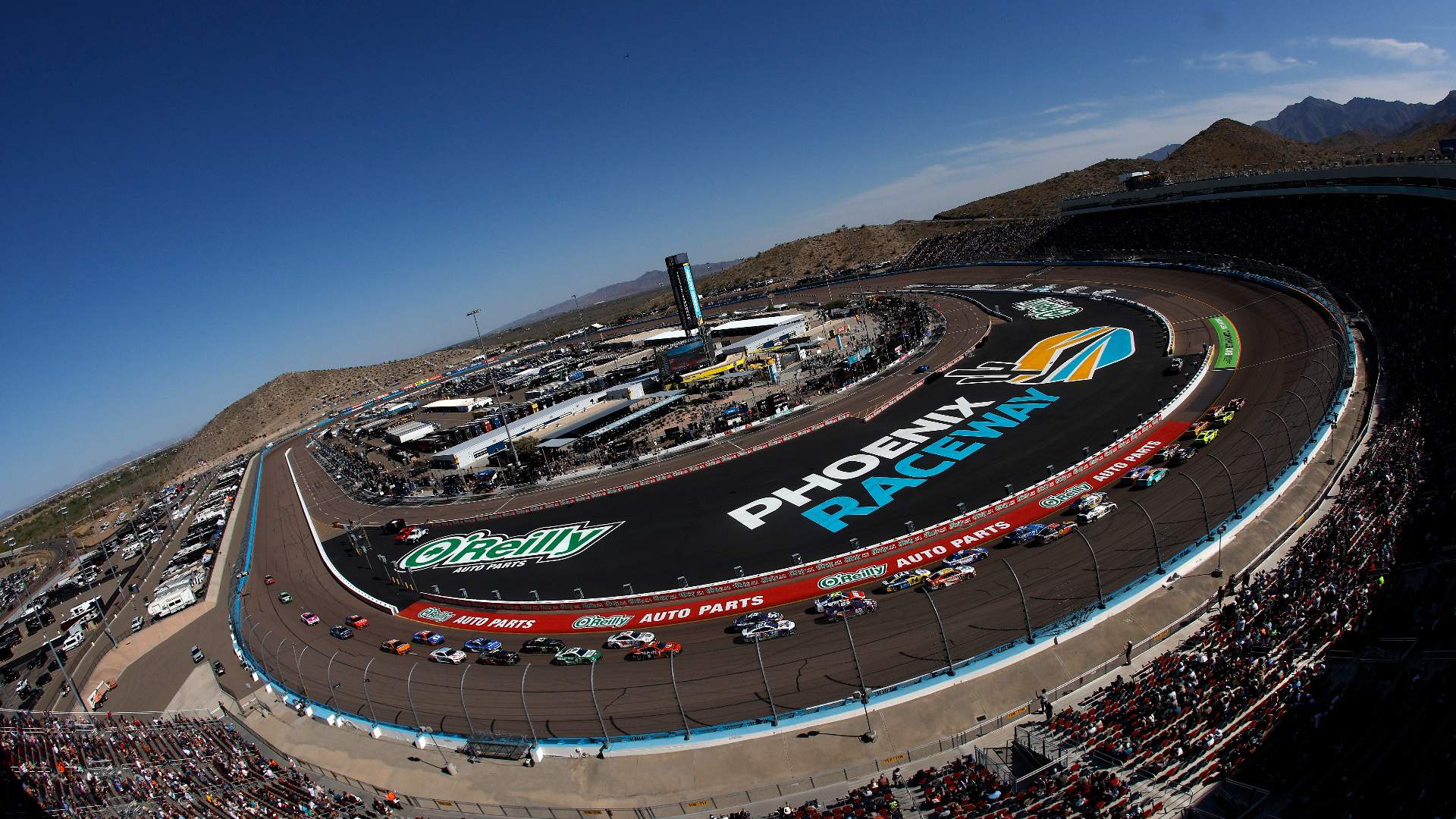
NASCAR opened the door for teams to change front brake rotors and pads at Phoenix Raceway after Saturday’s practice and qualifying sessions, a move tied to brake trouble at World Wide Technology Raceway and concerns that had followed the series to several tracks. The change applied to the Freeway Insurance 500 at Phoenix and gave teams a chance to address front brake issues before Sunday’s race without losing their starting spot under the old rule. Before this adjustment, any team that changed brake rotors or pads after practice and qualifying had to start at the rear of the field. Phoenix Raceway, a 1-mile track in Avondale, Arizona, placed a heavy load on brake systems, and the change was intended to help teams avoid trouble there. The rule came after teams raised concerns about brake problems at Nashville, Iowa, New Hampshire and Gateway.
Front brake limits
The allowance was narrow. Teams could remove and replace front brake rotors and pads, but no other brake components could be changed in that process. NASCAR also said teams could make approved front brake changes they wanted, giving crews some room to react if practice revealed a problem. The policy did not open the door to broad brake work across the car. It was aimed at one part of the system and one part only. Crew chiefs had asked NASCAR for a “like-for-like” pad-change allowance, a version that would have let teams swap similar parts. NASCAR said that would be too difficult to police, so it settled on a simpler front-brake standard. Rear rotors remained under a separate process. They could be inspected during Sunday pre-race adjustments, and any rear rotor issues at Phoenix would be handled case by case. That left teams with some flexibility, but it kept the scope of the rule small and the oversight tight.
Moran’s explanation
Brad Moran said the change fit Phoenix’s demands. He pointed to the track’s high brake demands, lower downforce and more horsepower as the reasons the new rule made sense. Moran also said the move was intended to help avoid brake issues at Phoenix. The updated rule gave NASCAR a way to respond to a specific mechanical problem without turning it into a broader rules change. It kept the focus on front brake components, preserved the separate review of rear rotors and gave crews a path to make approved changes after Saturday’s on-track sessions. NASCAR’s approach also reflected the concerns that surfaced at multiple venues, where brake problems made the issue hard to ignore. At Phoenix, the sanctioning body chose to act before the race instead of forcing teams to absorb a penalty for trying to fix a problem. The result was a limited adjustment focused on front brake components.