




Formula 1 OIBDA sinks 61% on fewer Grands Prix
NXTbets Pro | Published On: August 6, 2026
Formula 1 revenue
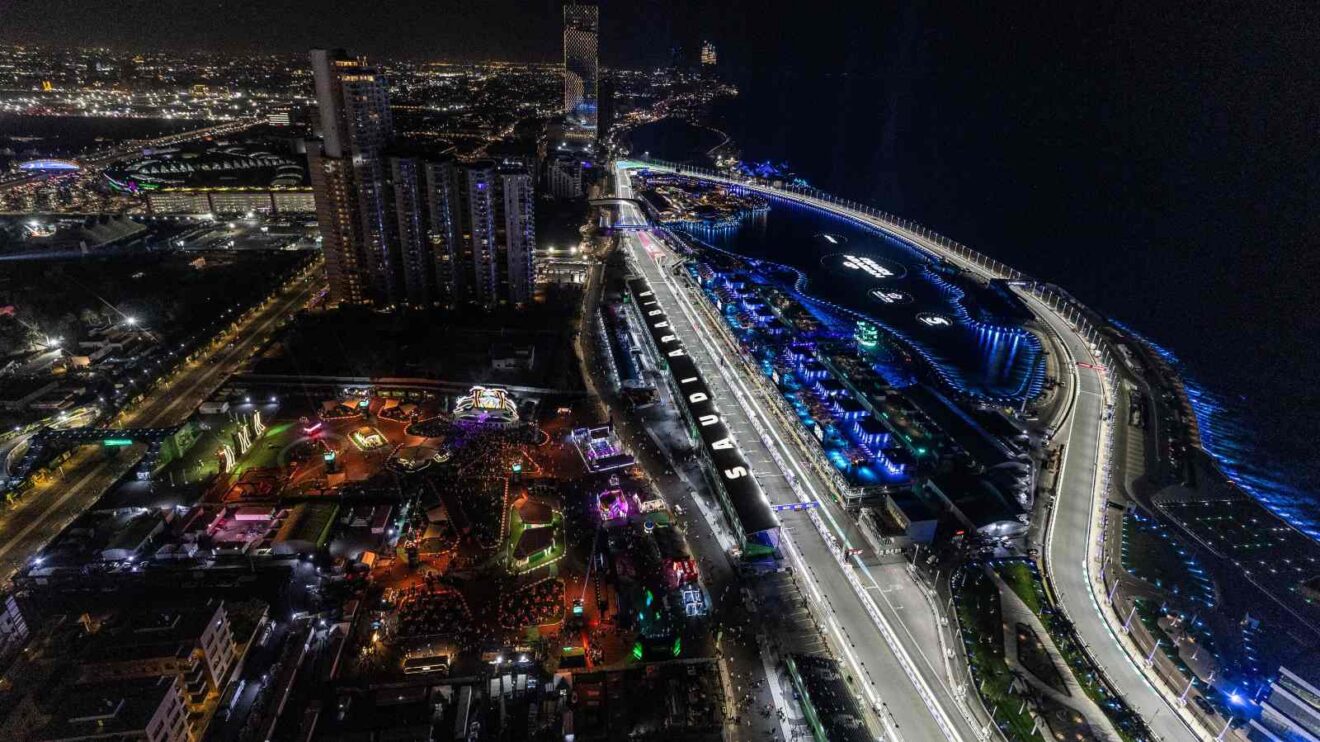
Formula 1 revenue fell 38% year over year to $764 million in the quarter, and Formula One Media’s adjusted OIBDA dropped 61% to $139 million. Liberty Media’s quarterly revenue also slipped to $934 million from $1.34 billion a year earlier. The race calendar did the heavy lifting on the downside. Formula 1 held four fewer races in the quarter than in the same period last year, and the Bahrain and Saudi Arabian Grands Prix were postponed because of Middle East conflict. With fewer events on the schedule, the series took in less money from the pieces that usually build around a race weekend. Payments to teams fell. Hospitality sales fell. Freight revenue fell. The postponements also made the year-over-year comparisons harder to line up, since the quarter no longer matched last year’s event count or timing. That left the business with a weaker financial base for the period and showed how fast Formula 1’s earnings can move when the calendar changes. The quarter was a reminder that the sport’s commercial model depends on live races, and that even a short stretch of disruption can flow through several revenue lines at once.
Formula 1 viewership
Viewership gave Liberty Media a different kind of result. Formula 1 said total hours watched on Apple TV were up 13% versus last year’s ESPN broadcasts, and Liberty Media said viewership was up year over year. That was the clearest positive in the quarter and it came from the media side of the business. The audience grew even as the race count fell, which gave the company a firmer read on fan demand than the revenue line alone. Apple TV hours watched are a useful signal because they point to engagement, not just reach. They show how much time fans spent with the product, and they suggest the series kept its audience active across the quarter. The gain matters because Formula 1 sells a global entertainment package, not just a set of races. Its value comes from the broadcast product, the visibility it gives sponsors and the broader attention it brings to every event on the calendar. Liberty Media did not give a separate breakdown of what drove the increase. The company did say the viewership trend moved higher year over year, which kept the media story moving in the right direction even as the financial story softened.
Formula 1 outlook
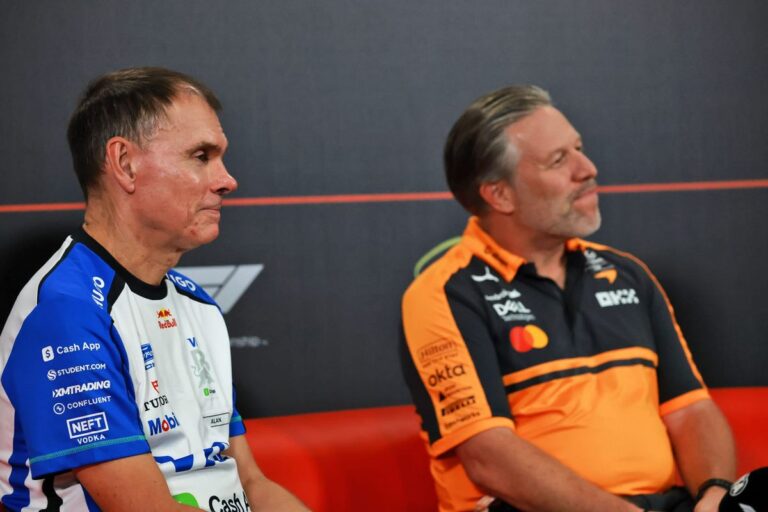
Derek Chang said the company’s fundamentals remain solid, and Stefano Domenicali said the same. Their comments matched the areas Liberty Media pointed to for the next stage of growth. Sponsorship, licensing and premium hospitality offer the most near-term revenue upside. Those are the parts of the business that build on Formula 1’s audience rather than the raw number of races alone. They also help explain why the company kept stressing the strength of the underlying business after a quarter with fewer Grands Prix and lower earnings. The message from management is straightforward. The sport still has commercial room to run, and the most immediate opportunities sit in the premium and brand-driven parts of the operation. Those categories connect directly to the appeal that showed up in the viewership data, and they remain the clearest path to offsetting pressure from a lighter calendar. Liberty Media’s results showed the downside of fewer events. Its comments on sponsorship, licensing and hospitality showed where it expects the next gains to come from.