




Moto d’Italia highlights Italy’s racing soft power at Farnesina event
NXTbets Pro | Published On: July 15, 2026
Moto d’Italia event
The Italian Ministry of Foreign Affairs used “MOTO D’ITALIA – CULTURE BEYOND THE TRACK” at the Farnesina in Rome to put motorcycle racing and motorcycling culture in the spotlight. The event framed the sport as more than competition, presenting it as a symbol of Italian industrial, technological, sporting and cultural excellence. It also placed motorcycling inside a wider diplomatic message, with the ministry casting the sport as a tool that can strengthen Italy’s image abroad. That message matched the mood in Rome, where the event brought together figures from the Italian and global motorcycling worlds and tied the sport’s on-track success to the country’s international standing.
The setting underlined how deeply motorcycling sits inside Italian identity. The ministry did not treat the evening as a simple celebration of champions. It linked the machines, the riders and the industry behind them. In that frame, motorcycles became part of the same national story as design, engineering and competition. The event also gave the ministry a stage to show how sport can serve diplomacy without losing its competitive edge. By bringing together manufacturers, federation leaders, racers and MotoGP executives, the gathering connected the track, the paddock and the policy side of the sport in one place.
Tajani plaques
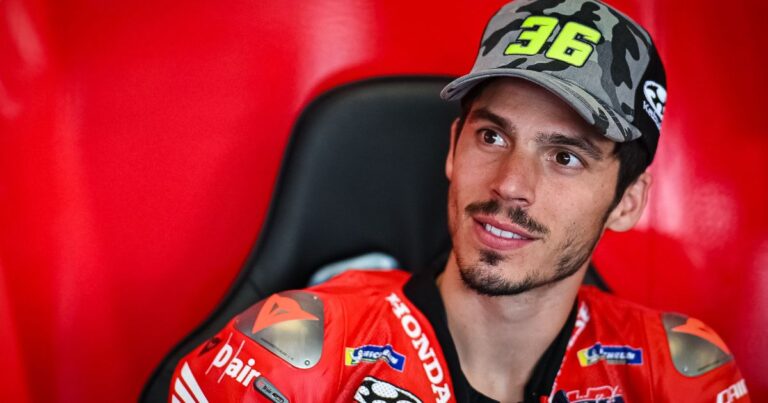
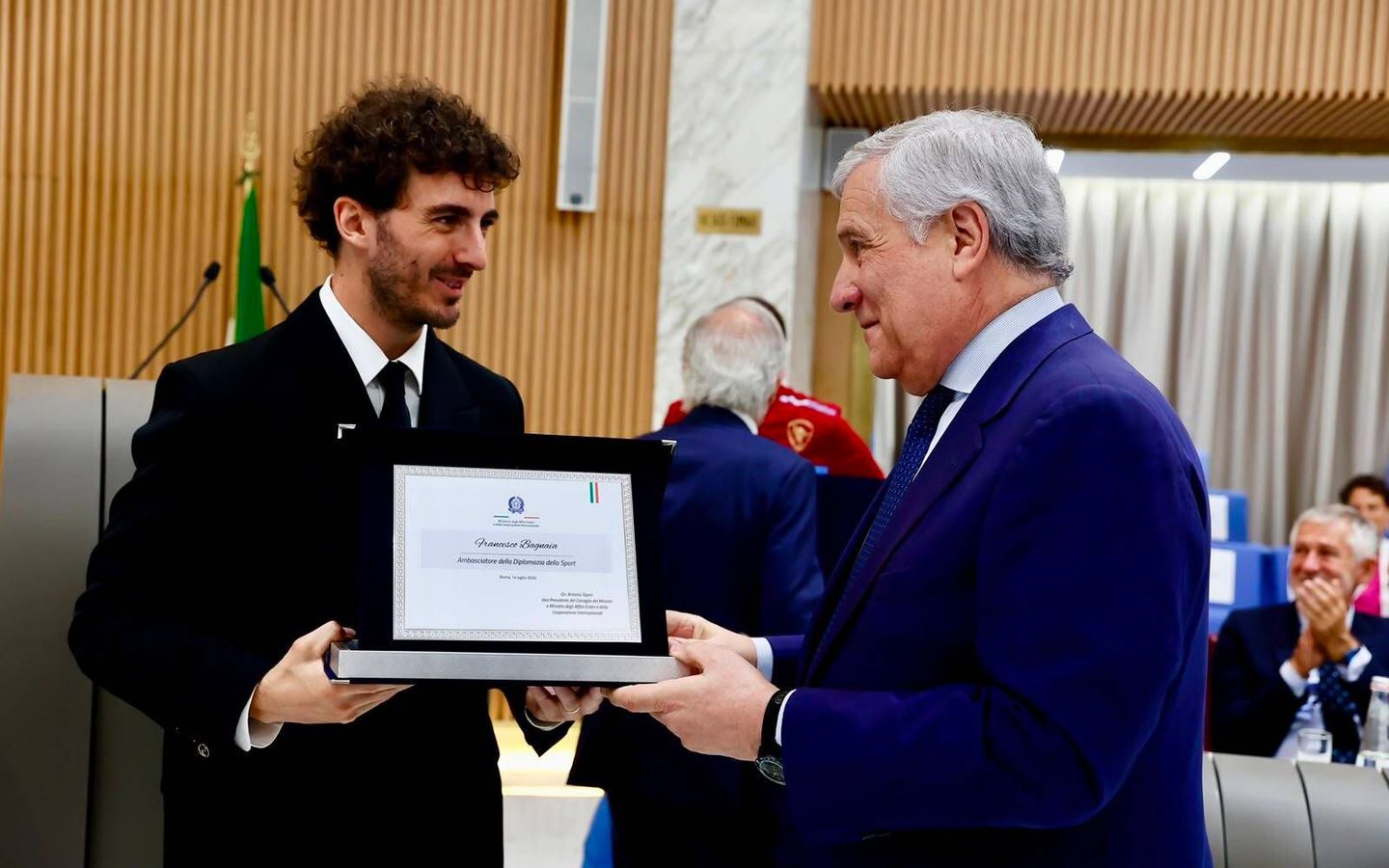
Deputy Prime Minister and Foreign Minister Antonio Tajani presented “Ambassador of Sports Diplomacy” plaques and named a new group of Sport Diplomacy Ambassadors. Valentino Rossi, Francesco Bagnaia, Marco Bezzecchi, Giacomo Agostini, Max Biaggi, Kiara Fontanesi and Paolo Poli all received the honor. The names gave the award clear weight. They span generations and disciplines, from racing legends to current stars, and the ministry used them to represent Italian motorcycling at its most recognizable. The plaque ceremony made the diplomatic point concrete. It turned a broad celebration of the sport into a formal recognition of the people who carry Italy’s racing profile around the world.
Rossi captured that sentiment in a single line. “It’s satisfying to watch the races today: Italy is at the top with its bikes and riders,” he said. His comment fit the evening’s central message, that Italian success in motorcycling is built on both riders and machinery. Bezzecchi joined by videoconference after surgery on a fractured collarbone suffered at the Sachsenring the previous weekend. He said he was proud of the appointment and thanked Tajani. The appearance gave the event a current racing edge, linking the formal honors to the realities of a season still moving forward. Aprilia Racing CEO Massimo Rivola, Ducati CEO Claudio Domenicali, FMI President Giovanni Copioli and MotoGP Group CEO Carmelo Ezpeleta also took part, which added more authority to the ministry’s effort and showed how firmly the industry and governing side of the sport backed the occasion.
Ducati displays
The event also used Ducati machinery to deepen the message around Italian excellence. Displays featured Bagnaia’s Desmosedici GP26, Nicolò Bulega’s WorldSBK-spec Panigale V4 R and the Superleggera V4 Centenario Tricolore. That lineup gave the room a direct visual link between elite racing and the bikes that carry Italian engineering across world championships. The display choices were deliberate. They connected MotoGP, WorldSBK and a special centenary model in one setting, which reinforced the idea that Italy’s motorcycling strength reaches across different series and different forms of production. The bikes were more than decoration. They served as proof points for the event’s larger theme, that the country’s racing success rests on a mix of performance, design and technical depth.
Massimo Rivola added another layer to that argument by pointing to the Piaggio Group and its brands as symbols of Italian spirit worldwide. He named Vespa, Moto Guzzi and Aprilia, which tied the evening’s diplomatic theme to some of the country’s best-known names in mobility and racing. That perspective broadened the story beyond the racers on the plaques. It showed how a wider industrial base supports the image the ministry wanted to project. From the scooters that shaped everyday mobility to the racing teams that fight for wins on international stages, the brands in the room helped explain why the government chose motorcycling as a platform. The event made a clear case that Italian soft power can travel on two wheels, backed by titles, technology and a roster of names that already carries global recognition.