




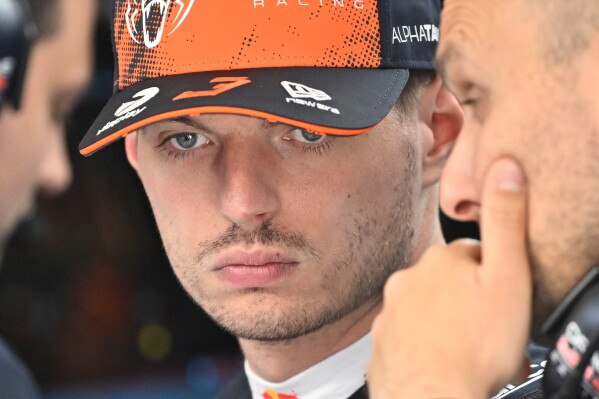
Verstappen says Silverstone could expose 2026 F1 battery limits
NXTbets Pro | Published On: June 29, 2026
Silverstone battery limits
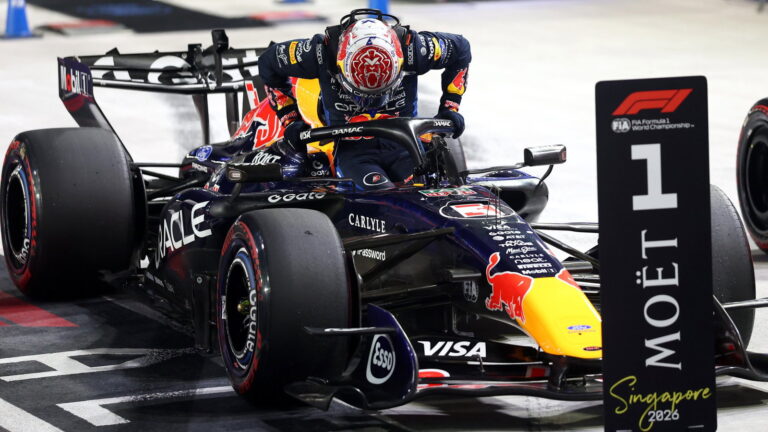
Max Verstappen thinks Silverstone could expose one of Formula 1’s biggest 2026 pain points. The Red Bull driver said simulator laps at the British circuit made him laugh because the new cars feel so different on its fast, flowing layout. His read on the track was blunt. The car felt constantly flat out, and there was barely any battery available around the lap. That creates a very different challenge from the one drivers face now. Silverstone does not give them many places to back off, build energy or reset the systems that will matter under the new rules. Verstappen said the layout will demand heavy energy management because drivers will spend long stretches at full throttle and have little chance to recover battery power. He said the lack of recharge opportunities could change the way the circuit feels from the cockpit, with cars running short of energy on the long straights and carrying less speed where the lap opens up. The message was clear. Silverstone may reward commitment, but the 2026 package will ask drivers to balance pace with conservation every step of the way.
Silverstone corners
Verstappen also pointed to the parts of Silverstone that could become the toughest to manage under the 2026 rules. He identified Copse as one of the corners that will ask the most of drivers, then singled out the Maggots-and-Becketts sequence as especially demanding. Those sections already rely on rhythm, precision and confidence at high speed. Verstappen’s view is that limited electrical energy could make them even harder to attack in the new cars. He said the lower battery availability could trim speed through Copse, Maggots and Becketts, which would change the feel of one of the quickest laps on the calendar. That problem does not stop in the corner complex. Silverstone’s long straights also leave little room for recovery, so the cars may arrive at key points with less energy than drivers want. Verstappen contrasted that with Monaco and Austria, where heavier braking zones give drivers more chances to manage the car’s systems and recover what they need. Silverstone, he said, offers the opposite profile. The lap asks for sustained high speed, but it gives little back. That makes the circuit a useful test of how the new formula will work when energy levels stay tight for long periods.
Verstappen feedback
Verstappen said the 2026 regulations have improved the chassis compared with the stiff ground-effect cars, but he still sees a car that feels unnatural because of the energy-management rules. That distinction matters for him. The balance and platform may be better, but the overall driving experience still hinges on a system that forces constant calculation. Verstappen said he is pleased Formula 1 and the FIA have listened to his feedback, and he linked that input to regulation changes planned for 2027 and 2028. He did not frame that as a finished fix. He framed it as a step toward shaping the next phase of the rule set. The broader concern extends beyond Silverstone as well. Verstappen said the issue could be even more pronounced at Spa-Francorchamps, where longer straights, a longer lap distance and faster corners could put even greater strain on energy deployment. That makes Spa another circuit to watch as the 2026 cars move from theory to reality. Verstappen’s comments painted a clear picture. The new regulations may improve parts of the car, but the battery and energy rules still look set to define how natural, or unnatural, the 2026 machines feel at some of Formula 1’s fastest tracks.