NXTbets Inc

  • Hamilton quits Ferrari simulator ahead of Canadian GP

    Hamilton quits Ferrari simulator ahead of Canadian GP

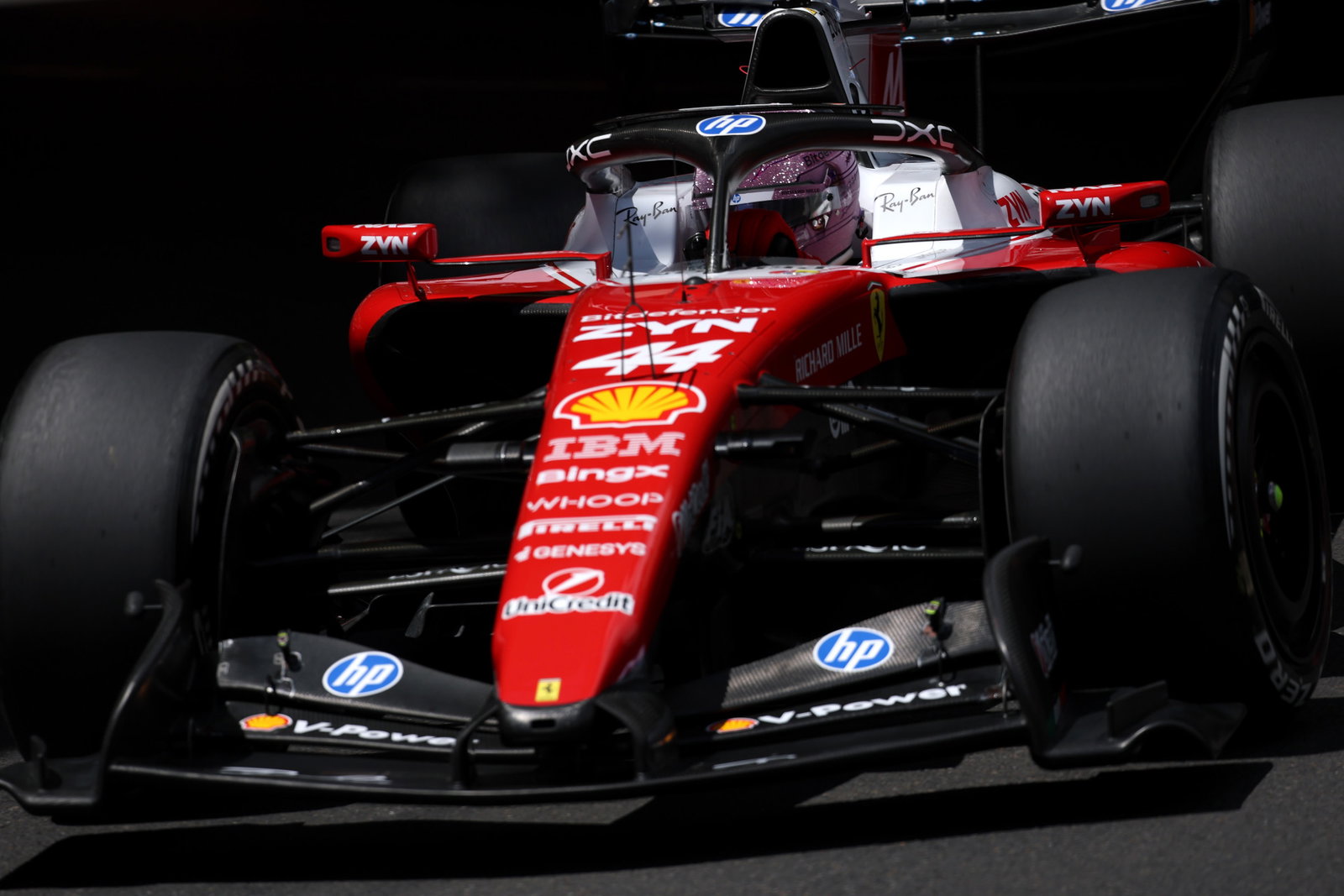
    Lewis Hamilton said he will stop using Ferrari’s simulator ahead of the Canadian Grand Prix, after concluding the virtual work “sent him in the wrong direction” and did not correlate with the real SF-26. Hamilton said he “does not like simulators,” that he will “back away” from simulator use and will test alternative preparation methods before Montreal. He added he will continue to attend factory meetings with Ferrari and pointed to his best weekend of the season in China, when he did not use the simulator, as justification for pausing simulator work. Hamilton said he will judge the change by his on-track performance in Canada.

    The decision followed a frustrating Miami weekend in which Ferrari brought 11 upgrades to the SF-26 that the team described as a “new car” after extensive simulator work at Maranello, but the package still left the team behind McLaren and short of Mercedes on track. Hamilton qualified sixth and was classified sixth after a post-race penalty for teammate Charles Leclerc; he was seventh on the road after heavy first-lap contact with Alpine’s Franco Colapinto that damaged his car, and he finished the Sprint more than 15 seconds behind Leclerc. Hamilton said poor simulator-to-track correlation left him with a set-up that did not work, a problem he said was amplified on a sprint weekend with limited practice, and he urged Ferrari to reduce aerodynamic drag, estimating a loss of roughly three to four tenths in straight-line speed.

    Mercedes and Hamilton’s engineers will re-evaluate how they use virtual tools, analyze both simulator and live-track data, and identify a more reliable route for setup and race preparation. The public withdrawal from Ferrari’s simulator underlines broader questions about how teams balance simulator development with real-world validation during a tightly contested F1 season.

    More
  • Briatore pushed for Aron as Alpine re-signs Colapinto

    Briatore pushed for Aron as Alpine re-signs Colapinto

    Jorge Peiro and other reports said Flavio Briatore pressed Alpine to replace Franco Colapinto with reserve Paul Aron ahead of the 2026 season, but Alpine instead renewed Colapinto’s seat in a deal finalized at the Mexico City Grand Prix last November. Reporters linked the renewal to Colapinto’s commercial connections in Latin America, pointing to special Mercado Libre liveries in Miami and Montreal, a visible Argentine presence at Imola and a Buenos Aires show run that drew 600,000 people. Commentators differ on the scale of that commercial pull; Nelson Valkenburg said Colapinto does not bring “that much money,” while Jennie Gow said Colapinto “brings so much money.”

    On track, Colapinto produced a turnaround that strengthened his case to keep the seat. He delivered a career-best P7 at the Miami Grand Prix, calling it “my most perfect weekend,” and showed consistent pace from practice through the race. Team upgrades, including new parts, wings and a chassis, plus a concentrated factory effort and a switch to Mercedes-supplied engines, were credited with the improvement after a difficult start to the season. He had also scored points in Shanghai and recorded a second top-10 of the season in Miami.

    Briatore praised the Miami performance, said Colapinto was proving doubters wrong and arranged extra track time for the driver, pointing to solid pit stops and strong teamwork with Pierre Gasly as factors. Alpine said it will review the new items ahead of the Canadian Grand Prix and assess why Gasly did not benefit from the upgrades to the same extent. Peiro noted Paul Aron’s credentials, including third in the 2024 FIA Formula 2 championship and three FP1 outings, as context for why some pushed for a change. Some reports said Colapinto failed to score a point before the end of the year, while other coverage records his points in Shanghai and the career-best in Miami. Alpine sits fifth in the constructors’ standings and faces pressure to translate Colapinto’s improved form into consistent results as the team finalizes its plans for 2026.

    More
  • FIA investigates Mercedes bid and multi-team ownership

    FIA investigates Mercedes bid and multi-team ownership

    The FIA has opened a formal review of multi-team ownership in Formula 1 and put Mercedes’ reported bid for a 24% stake in Renault-backed Alpine under regulatory scrutiny. FIA president Mohammed Ben Sulayem said he was “looking into” whether owning two teams should be allowed, adding that “owning two [teams] is not the right way” and warning such arrangements could damage the sport’s “sporting spirit.” He said the FIA will use its authority to protect competitive integrity while it assesses whether the practice is permitted and appropriate.

    Mercedes emerged as the frontrunner after submitting a bid reportedly led by CEO Toto Wolff for Otro Capital’s 24% stake, which reports say carries control over driver and team-principal appointments. The stake has also attracted a bid led by Christian Horner and interest from other parties. Renault owns the remaining 76% of Alpine and retains the right to approve any sale until September, but Alpine’s corporate disclosures say Otro Capital is barred from selling its shares until at least November, complicating any immediate transaction. Some reports say Renault may prefer a sale to Mercedes for manufacturer synergies, and other figures, including McLaren CEO Zak Brown, have criticized the potential deal.

    Ben Sulayem said the review has broader implications for existing dual-ownership structures, most notably Red Bull’s long-standing ownership of Racing Bulls, formerly Minardi. Red Bull bought Minardi in late 2005 for roughly £20 million and has used the team to develop academy drivers such as Sebastian Vettel, Daniel Ricciardo, and Max Verstappen. Reports said Racing Bulls was the subject of months of rumors and that Red Bull rejected a reported £1.1 billion bid in 2025. Any change to FIA policy could force sales, affect other paddock transactions, and sharpen governance and competitive-integrity questions as teams, owners, and the regulator weigh commercial deals against the sport’s regulatory framework.

    More
  • Wolff: Mercedes' poor race starts threaten title bid

    Wolff: Mercedes’ poor race starts threaten title bid

    Mercedes’ recurring problem with poor race starts has become an urgent threat to its title bid, team principal Toto Wolff warned after both Kimi Antonelli and George Russell suffered bad getaways this season. Wolff called the start issues “not acceptable” for a championship-contending team and blamed them on team-side clutch and grip estimates. The problem has been dramatic in scale: Antonelli dropped a total of 26 places on opening-lap incidents across the opening weekends and the Miami sprint and main race. Wolff said the weakness is solvable but must be fixed quickly, and he noted the FIA was not planning further changes to the start procedure, so the solution must come from within Mercedes.

    The start troubles have cost track position even as Mercedes retained strong race pace. Antonelli still won the Miami Grand Prix from pole, his third consecutive victory and the first time a driver converted his first three pole positions into three wins, moving 20 points clear in the Drivers’ Standings. Mercedes has four wins from the opening four Grands Prix. Wolff said the inconsistent starts nearly cost Antonelli the Miami result and nearly prompted radio intervention over repeated track-limit warnings, and he praised race engineer Bono for calm handling of those warnings. George Russell recovered to fourth in Miami after a difficult weekend that included contact and a clipped rival, showing both drivers were affected by compromised opening laps.

    Mercedes has already started targeted fixes and development work. Engineers identified a three- to four-tenth sector-one deficit and simplified the car’s energy-deployment strategy to correct that shortfall. The team is preparing a first major upgrade package, including planned power updates, for the Canadian Grand Prix in Montreal and has elevated improved race starts to a top priority alongside those upgrades. Wolff said better launches, together with the pending power upgrades, would be needed to turn the team’s existing pace into more comfortable race wins as rivals McLaren, Red Bull and Ferrari brought significant upgrades at Miami and the development race intensified.

    More
  • Fallon bites Brundle's mic at Miami grid walk

    Fallon bites Brundle’s mic at Miami grid walk

    During a pre-race grid walk ahead of the Miami Grand Prix, Jimmy Fallon snatched a branded mic sock from Sky Sports F1 pundit Martin Brundle, bit it, and returned it. Brundle quickly reclaimed the microphone on air and admonished Fallon, “Don’t do that again.”

    Brundle later shared video of the moment on X, posting, “In 30 years of broadcasting I’d never wondered what a branded microphone sock tastes like.” The clip went viral and was widely framed as a lighthearted, unexpected celebrity moment rather than a serious safety or professional complaint.

    Fallon was attending the Miami Grand Prix as a guest of Red Bull and Racing Bulls. The grid walk included other celebrity interactions, including a separate exchange between Brundle and DJ Khaled during the Racing Bulls livery reveal.

    More
  • Ferrari upgrades draw attention but fail to boost Miami pace

    Ferrari upgrades draw attention but fail to boost Miami pace

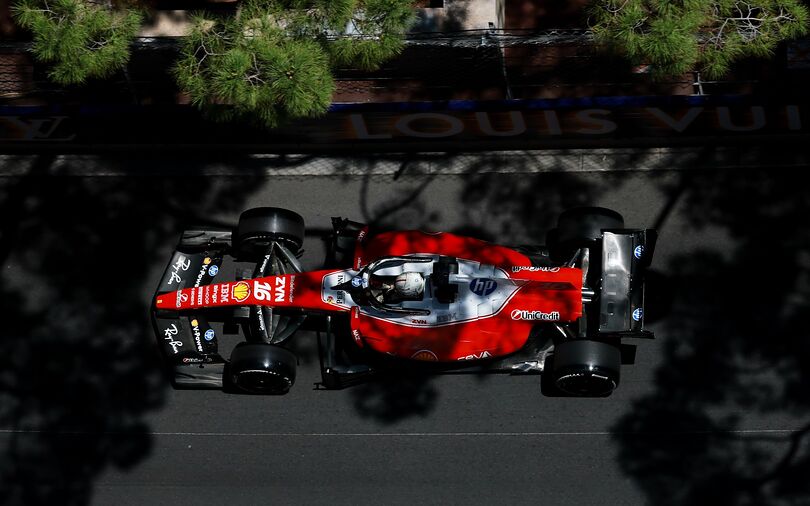
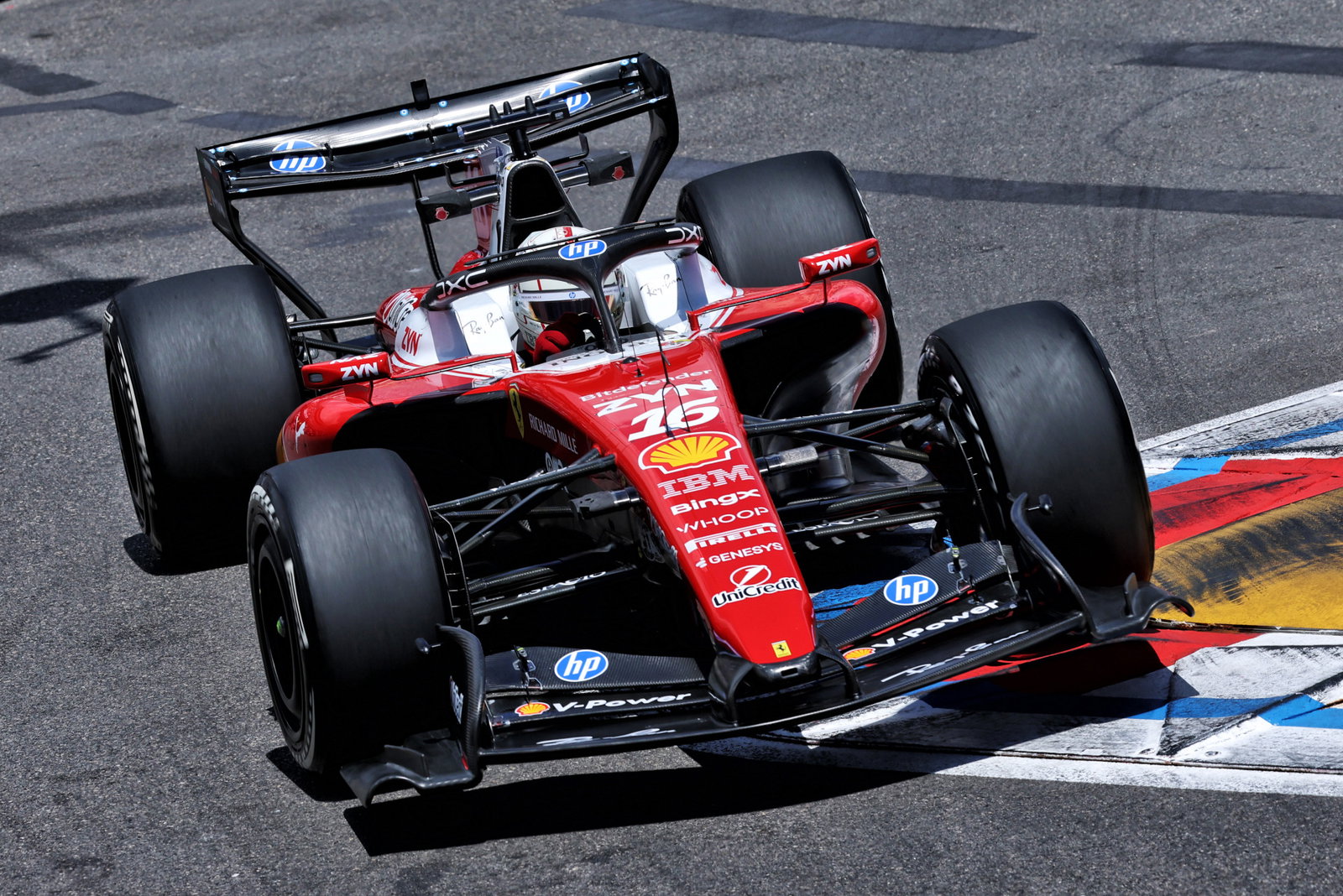
    Ferrari’s unusually large 11-piece upgrade package for the Miami Grand Prix backfired, exposing engineering, strategy and race-execution shortcomings and failing to translate into pace or podiums. The package was intended to close the gap to Mercedes and mount a championship challenge, but commentator James Hinchcliffe said Ferrari had broken “the number one rule of engineering,” arguing that too many simultaneous changes undermined the car. Ferrari collected just 22 points across the sprint weekend, and the technical package, while drawing attention and unsettling rivals, did not deliver the expected gains.

    On track the evidence was mixed. Charles Leclerc qualified third with a 1’28.143 lap and Ferrari were the fourth-fastest team overall, but McLaren and Red Bull made larger performance gains across the weekend. Scorching track temperatures made tire overheating and tire management a larger differentiator than aero or power-unit tweaks. Ferrari’s race was compromised by contact, suboptimal strategy calls, traffic and a late spin. Leclerc was pitted early to counter a potential undercut, dropped into traffic, recovered to pass George Russell and Max Verstappen, then spun on worn tires and clipped the barriers. He crossed the line sixth on the road and was later demoted to eighth after a time penalty.

    Team principal Fred Vasseur acknowledged positives such as good starts and aspects of the upgrades, but said the team must improve consistency, traffic management and its ability to fully extract the car’s potential. Analysts and one report argued Ferrari’s recurring weakness in in-race strategic decision-making resurfaced and likely cost what might have been a podium. By contrast McLaren appeared to cope best with the heat, closing the gap to Mercedes according to McLaren team principal Andrea Stella, who called Mercedes “the team to beat” and said McLaren missed a possible victory through execution errors including pit-stop timing and a slow in-lap. The weekend left open questions about which teams had genuinely improved and which simply adapted best to Miami’s extreme conditions, and showed Ferrari must fix operational issues before development brings consistent race success.

    More
  • Antonelli converts pole to win Miami GP by 3.264s

    Antonelli converts pole to win Miami GP by 3.264s

    Andrea Kimi Antonelli completed a third straight Grand Prix victory in a drama-filled Miami finale, taking the 2026 Miami Grand Prix at the Miami International Autodrome after 57 laps in 1:33:19.273. Antonelli started from pole and held off late pressure from Lando Norris to win by 3.264 seconds, with Oscar Piastri third, George Russell fourth and Max Verstappen fifth.

    The race ended in last-lap drama, including a late spin by Charles Leclerc and a sequence that left both Leclerc and Russell limping home. Several drivers retired after on-track incidents, with Isack Hadjar and Liam Lawson among the non-finishers, Pierre Gasly flipping after contact, and Nico Hülkenberg stopping with technical problems.

    The result moved Antonelli to the top of the drivers’ standings, and reports place his lead over teammate George Russell at the top of the table, with some sources citing margins up to 20 points.

    More
  • Norris urges removing battery after Miami tweaks fall short

    Norris urges removing battery after Miami tweaks fall short

    Drivers at the Miami Grand Prix said the tweaks tested there did not eliminate battery-influenced superclipping, excessive closing speeds or problematic overtaking, and they called for further technical fixes. Lando Norris urged the sport to “get rid of the battery,” saying the measures were only a small step in the right direction. All three podium finishers, Kimi Antonelli, Lando Norris and Oscar Piastri, delivered a blunt assessment that the changes were incremental rather than a complete solution and said the situation “isn’t at the level Formula 1 should still be at yet.”

    McLaren’s Oscar Piastri described the wheel-to-wheel racing in Miami as “random,” saying frequent position changes with Mercedes’ George Russell were driven by differing energy-harvesting and deployment patterns and by variable availability of Overtake Mode. Piastri cited Russell closing from roughly one second to make a straight-line overtake as an example of the large closing speeds that make defending extremely difficult. He said he had been unhappy with one of Russell’s moves but later acknowledged he had executed a similar maneuver himself. Piastri praised cooperation between the FIA and F1 on the tweaks and said the reduced harvest limit in qualifying has helped a bit, but he warned current hardware limits mean more substantive fixes would require complex technical work and questioned how quickly such changes could be implemented.

    Norris said the tweaks had not yet produced the flat-out qualifying laps the sport needs and complained that drivers remain penalized when trying to go flat-out. The Miami changes included a reduction in recoverable energy in qualifying, kept at eight megajoules for Miami and Suzuka, and an increase in the on-throttle energy recovery rate intended to discourage battery-recharge tactics and reduce lift-and-coast.

    Antonelli, the Miami winner who extended his early championship lead with a third consecutive victory, agreed qualifying felt better but warned that closing speeds, active aero and battery characteristics still pose major race concerns. Drivers and teams remain skeptical that the tweaks fully address overtaking and wheel-to-wheel stability and called for further power-unit and deployment fixes after the opening three rounds prompted the adjustments.

    More
  • Hamilton's Miami GP hit by Turn 11 contact with Colapinto

    Hamilton’s Miami GP hit by Turn 11 contact with Colapinto

    Lewis Hamilton’s Miami Grand Prix was compromised by a first-lap collision with Franco Colapinto at Turn 11, which damaged his car’s floor and a sidepod. Team telemetry confirmed the floor and sidepod damage, and race engineer Carlo Santi estimated a 10–15 point loss of downforce. Hamilton told his team he had “lost the left side,” described himself as “just a passenger,” and later apologized on the radio, saying “Sorry about the damage.” He estimated the incident cost about half a second and said it left him unable to compete for the lead and ruined his race pace.

    The incident came during a chaotic opening lap in which Max Verstappen spun at Turn 2 and forced Hamilton wide into Colapinto’s path, with the contact then occurring at Turn 11. Reports differed on which sidepod was hit; some accounts said the left sidepod was damaged, while another reported damage to the right-hand sidepod. The lap-one damage hampered Hamilton’s pace across the weekend despite work to improve the car for qualifying, and he called the weekend “one to forget.” He crossed the line seventh on the road in Sunday’s race and had also been seventh in the Sprint.

    Ferrari brought significant upgrades to the SF-26 and Charles Leclerc led early, only to be passed after the safety-car restart. Accounts varied on Leclerc’s final classification: some reports recorded him finishing sixth and scoring eight points, while others said he hit the wall on the final lap and then received a 20-second penalty for leaving the track repeatedly, a penalty that promoted Hamilton to sixth. Hamilton repeatedly complained about a continuing lack of power linked to the internal combustion engine and restricted access to electrical energy, an issue he had raised in Japan five weeks earlier and which he said made on-track battles harder. Several reports framed Hamilton’s result as the consequence of the early contact rather than a true reflection of the team’s pace, and he and the team said they would regroup and aim to extract more performance at the next race.

    More