NXTbets Inc

  • Ferrari moves Adami, leaves Hamilton without race engineer

    Ferrari moves Adami, leaves Hamilton without race engineer

    Ferrari moved Riccardo Adami into a role with the Ferrari Driver Academy earlier this month, leaving Lewis Hamilton without a named race engineer as winter testing began. That timing has raised concern that the gap could hinder Hamilton’s integration and pre-season preparation.

    Former driver-turned-pundit Karun Chandhok said he was “confused and concerned,” warning that the absence of a winter-built relationship between Hamilton and a dedicated engineer was “ringing alarm bells.” Chandhok and other commentators emphasized that a stable driver–engineer bond is crucial for rapid, reliable feedback and in-race decision-making, noting Hamilton’s strong past partnership with Peter Bonnington.

    The provisional arrangement was apparent at the Barcelona shakedown, where Charles Leclerc’s race engineer Bryan Bozzi doubled up and ran Hamilton’s SF-26 while the team organized the change. Hamilton took over the car in the afternoon, completed 57 laps and recorded an unofficial wet-condition best of 1:32.872; the doubling-up highlighted that the current setup is temporary.

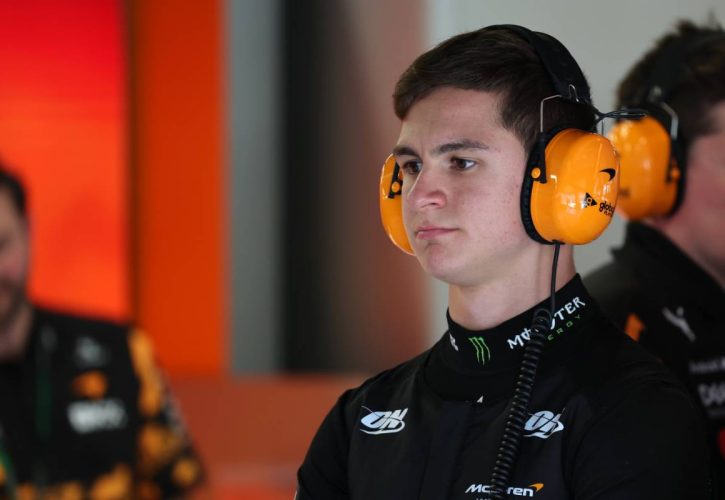
    Commentators and former drivers said Ferrari missed an opportunity over the winter to build rapport through simulator days or private runs and suggested Hamilton may need extra simulator or additional track time to catch up if a new pairing is finalized late. Speculation has focused on Cédric Grosjean as Hamilton’s likely replacement, with multiple reports saying Ferrari intends to sign him but may have to wait until his post-McLaren gardening leave ends. Reports differ on his exact McLaren role: some describe him as a lead trackside performance figure, while others link him more directly to Oscar Piastri or to a race-engineer capacity. Sky Sports reporter Craig Slater and other outlets noted there is no official confirmation from Ferrari, and commentators warned that appointing a late or inexperienced engineer could hamper Hamilton’s adaptation under the sport’s new technical rules. Ferrari declined further comment, saying it would provide an update when there was a development.

    More
  • F1 to rotate Barcelona-Catalunya and Spa through 2032

    F1 to rotate Barcelona-Catalunya and Spa through 2032

    F1 announced a rotation deal that will see Circuit de Barcelona‑Catalunya and Spa‑Francorchamps share a single calendar slot on alternate years through 2032. Under the agreement, Spa‑Francorchamps will host the Belgian Grand Prix in 2027, 2029 and 2031, while Barcelona‑Catalunya will host in 2028, 2030 and 2032. The deal formalized a split calendar that preserves both historic venues but ended Barcelona‑Catalunya’s uninterrupted run as the regular host of the Spanish Grand Prix, which had run from 1991–2025, and means Barcelona will drop off the 2027 calendar and return in 2028.

    The arrangements also intersect with the arrival of a new Madrid street race. Organizers said Madrid has taken the official Spanish Grand Prix title, but reporting varies on the precise 2026 allocation: one source said Barcelona‑Catalunya would stage a race in June, another placed Madrid’s Madring event in September, and other reports indicate Madrid will host the Spanish Grand Prix from 2026. Barcelona had entered the final year of its previous contract and faced pressure to upgrade facilities after losing the Spanish Grand Prix title; organizers said the rotation preserves both the Barcelona and Belgian rounds while accommodating the new Madrid event.

    F1 and circuit officials framed the deal as a negotiated, multi‑year solution that keeps both venues on the calendar. Pol Gibert, CEO of Circuits de Catalunya SL, said the renewal consolidated Catalonia on the international calendar; organizers highlighted an estimated economic impact of more than €300 million per edition. F1 CEO Stefano Domenicali said he was “delighted” to continue racing at the circuit and welcomed the ongoing relationship. Organizers added the rotation frees up calendar flexibility — aided by confirmation that Zandvoort will be stepping back — leaving one remaining slot on the planned 24‑race 2027 calendar and opening the possibility for other additions such as Thailand or a return for Istanbul while the wider 2027 schedule is finalized.

    More
  • Russell posts only sub-1:34 as Mercedes probes W17 pace

    Russell posts only sub-1:34 as Mercedes probes W17 pace

    Mercedes used the Bahrain pre-season test to probe the W17’s pace and tire behavior, finishing with George Russell posting the fastest lap of the week — a 1:33.918 on the soft C3 tire — while Lewis Hamilton sat second in the morning order. Russell completed 78 laps in the final morning and handed the car to Kimi Antonelli for afternoon running; the quick one-lap pace, including the only sub-1:34 lap of the session, contrasted with the longer-run work Mercedes prioritized during the test.

    That long-run work included a 58-lap full race simulation by Russell that provided the clearest look at the W17’s tire degradation. On the soft C3s Russell’s first representative lap in the race run was 1:40.4, but lap times drifted into the 1:42s by lap 15 with an in-lap of 1:43.5 on lap 18 — roughly a two-second drop across that stint. The medium C2 stint began with a 1:38.6 and produced consistent 1:39.0–1:39.9 laps for more than a dozen laps, showing only about a 1.3-second drop over that window. The hard C1s produced an opening 1:38.2 and then hovered between 1:39 and 1:40 with the flattest degradation of the day, leading Mercedes to judge the medium and hard compounds more promising for race distance than the softs.

    Mercedes also used the test to recover and collect mileage after earlier reliability and setup issues; the team logged heavy running across the week and the morning programs suggested greater stability and consistency after initial problems. Russell had warned after the opening day that “there’s work for us to do to get the W17 into a happier place,” and the session’s combination of short-run speed and detailed long-run tire data will form the basis of further setup changes and updates ahead of the next test phase.

    More
  • Antonelli leads Mercedes 1-2 in Bahrain test

    Antonelli leads Mercedes 1-2 in Bahrain test

    Mercedes closed out the final day of the opening 2026 Bahrain pre-season test with a one-two, Kimi Antonelli setting the fastest lap of the day and the test. Antonelli took over from George Russell in the afternoon and posted a 1:33.669, eclipsing Russell’s morning benchmark of 1:33.918 by 0.249 seconds; Russell finished second after a 78-lap morning run.

    Ferrari’s Lewis Hamilton was the highest-placed runner behind the Mercedes pair, finishing third after heavy mileage during the day. Hamilton completed roughly 150 laps but stopped on track with just over 10 minutes remaining in the final session, bringing running to an early halt. McLaren’s Oscar Piastri logged in excess of 150 laps and finished fourth, with Red Bull’s Max Verstappen and team-mate Isack Hadjar lining up behind him.

    The final day — and the three-day test overall — produced strong single-lap showings for Mercedes but a confused pecking order, as teams ran differing programs and on-track disruptions (including earlier Cadillac stoppages and the late Hamilton stoppage) curtailed some running. The closing sessions delivered mileage and reliability data across the grid while underlining Mercedes’ apparent one-lap pace advantage heading into the season.

    More
  • McLaren demands grid-time and battery fixes before Melbourne

    McLaren demands grid-time and battery fixes before Melbourne

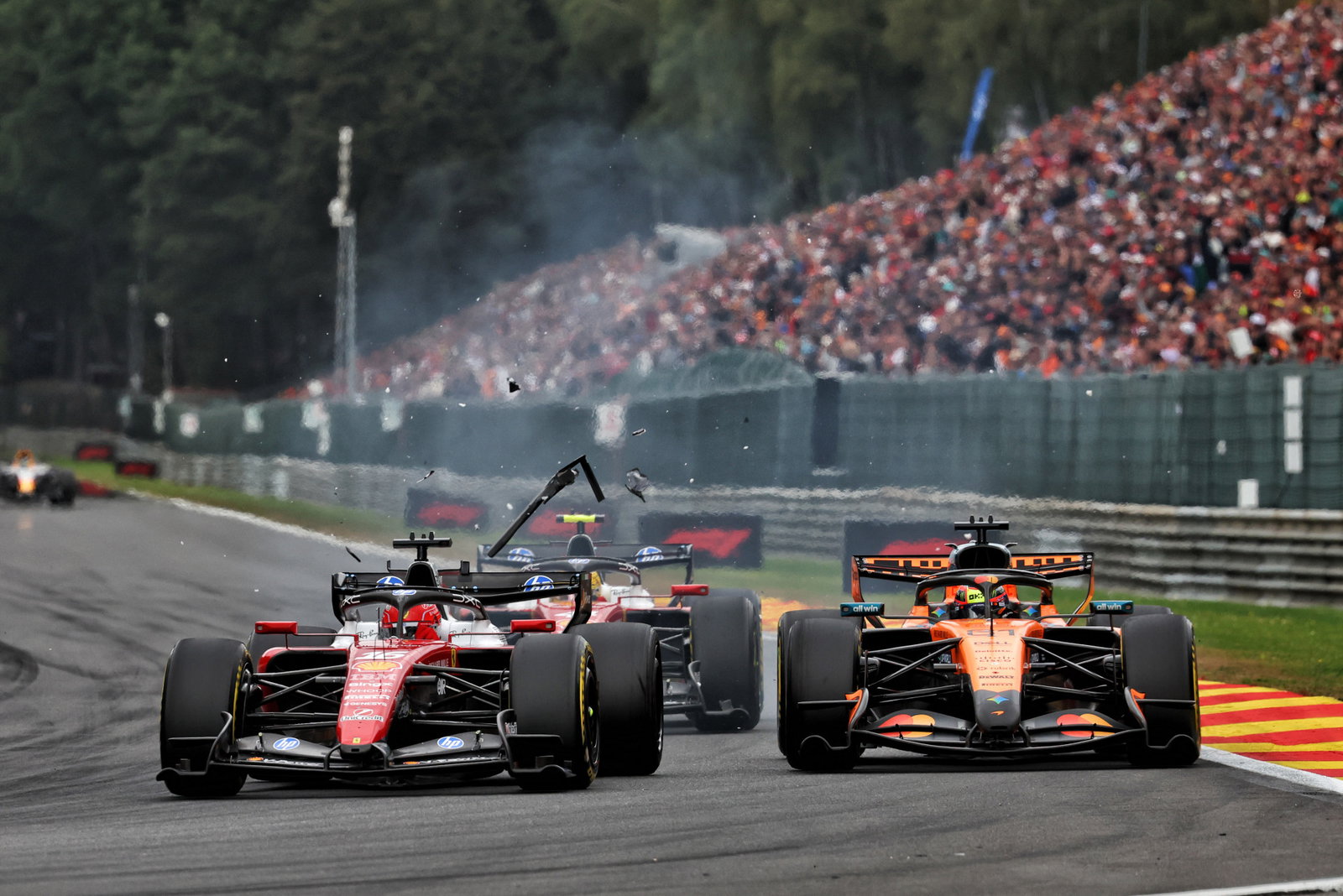
    McLaren urged urgent safety changes to 2026 Formula 1 race-start procedures after testing showed the new, high-electric-output power units have complicated starts and increased collision risk. Team principal Andrea Stella called the refinements “imperative,” warning that the near-50% electric output of the 2026 power units, combined with the removal of the MGU-H and DRS, has created conditions that can leave power units unprepared on the grid, foster widespread lift-and-coast behavior and produce large closing-speed differentials. Stella proposed straightforward fixes — allowing more time on the grid and adjusting battery power allocation — and said those measures should be adopted before the season opener in Melbourne; he expects the issues to be tabled urgently at the next F1 Commission meeting. Stella also referenced the severity of past high-closing-speed incidents, citing Mark Webber’s 2010 Valencia accident and Riccardo Patrese’s 1992 Estoril crash to underline the stakes.

    The technical problem is that, with the MGU-H removed and much greater electric output, teams must keep the V6 turbo spooled for around 10 seconds to avoid lag and battery overcharging. Drivers were observed holding the throttle for more than 10 seconds during shakedowns and testing, and mistiming the spooling can trigger anti-stall interventions or slow getaways. The final day of Bahrain pre-season testing ended chaotically: a scheduled FIA practice start went badly wrong, Lewis Hamilton’s Ferrari stalled with under 10 minutes remaining, only three of seven cars launched cleanly on a second attempt (Isack Hadjar, Kimi Antonelli and Sergio Perez), Oscar Piastri hesitated, and Franco Colapinto nearly crashed after an anti-stall issue. Teams attributed the instability to the new technical package; paddock analysis suggested roughly one in 20 starts are being fumbled, and drivers such as Gabriel Bortoleto described the routine as “complicated,” saying he sometimes “loses count” and calling it “quite a mess.”

    The testing episode has intensified pressure on the FIA, teams and drivers to find mitigations before race starts under the new regulations. McLaren warned that drivers starting at the back may not be guaranteed the full 10 seconds needed to spool the turbo, a concern echoed by Valtteri Bottas, who said a likely penalty putting him at the back for Melbourne made him doubt there would be enough time to spool properly. Any change to the start sequence will have to balance safety, operational practicality and competitive fairness: a comparable proposal was previously rejected after Ferrari, and Ferrari principal Fred Vasseur opposed it on the grounds that Ferrari’s power-unit development favored a shorter start sequence. The start-procedure proposal will be revisited in fresh talks as stakeholders seek urgent agreement before the season begins.

    More
  • Bahrain tests muddle F1 pecking order despite Ferrari pace

    Bahrain tests muddle F1 pecking order despite Ferrari pace

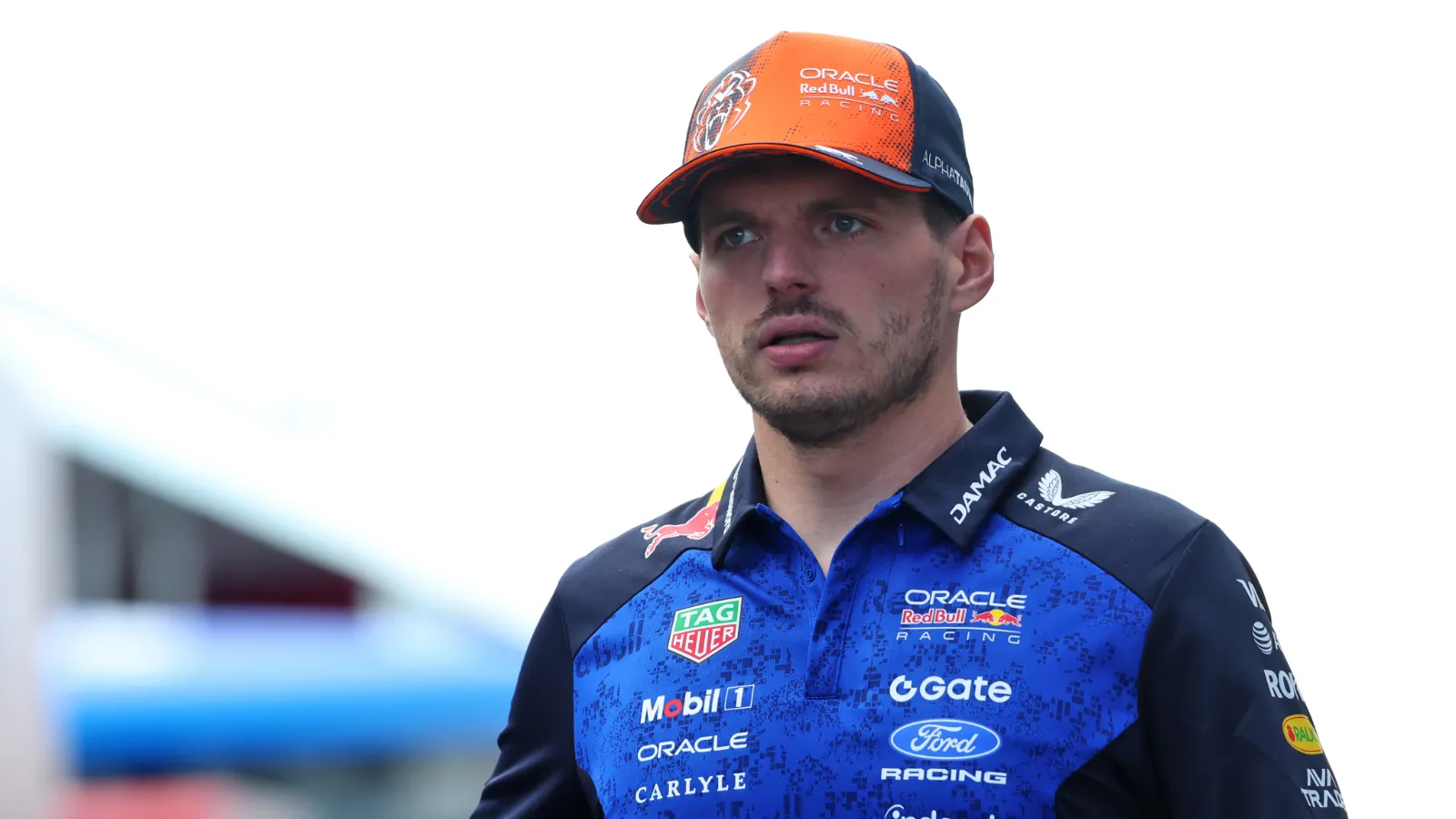
    Uncertainty remains over the true F1 pecking order after the three-day Bahrain pre-season test. Ferrari showed impressive long-run pace, heavy mileage and an organized, reliable program — Charles Leclerc praised the team’s runs — and Alpine’s Steve Nielsen suggested Ferrari could be “the class of the field.” At the same time, paddock figures and rival drivers cautioned that several teams appeared to be masking their true speed: some said Mercedes had been hiding performance, others, including Max Verstappen, accused sandbagging, while Red Bull technical director Pierre Wache warned his team were “not the benchmark for sure.” These reactions meant visible timesheets and runs told conflicting stories rather than a definitive hierarchy.

    There were concrete signs on both sides. Mercedes topped parts of running, with Andrea Kimi Antonelli leading day three and the team posting a fastest lap and a 1-2 in week one. McLaren showed strong reliability — Oscar Piastri set a Bahrain test record with 161 laps and Andrea Stella said the team completed sign-off checks. Ferrari logged heavy mileage and posted top times on day two; the SF-26’s reliability and Leclerc’s clean long runs fueled the impression the team may have conserved qualifying performance during testing. Observers also flagged Red Bull’s new power-unit efficiency and suggested some performance might still be held in reserve.

    Team principals and technical directors repeatedly warned that a three-day test is a poor one-off gauge of season order because teams can mask pace with differing programs, fuel loads, engine modes, energy deployment, lift-and-coast driving and electrical settings. Stella, Leclerc and Wache emphasized that comparisons of single laps are unreliable. A clearer running order will likely emerge only once cars run in competitive trim under weekend procedures — after the second Bahrain test, scheduled for Feb 18–20, and the season-opening Australian Grand Prix in Melbourne and its early-March qualifying session.

    More
  • 2026 F1 cars debut at Bahrain test; Cadillac joins field

    2026 F1 cars debut at Bahrain test; Cadillac joins field

    Pre‑season Formula 1 testing began at the Bahrain International Circuit, giving fans their first public look at the new 2026 cars and power units and replacing the strictly private shakedowns that preceded it. The Sakhir running brought every team on track together for the first time this year; Williams had missed the earlier Barcelona shakedown.

    Organizers scheduled three days of running, each made up of two four‑hour sessions, with morning action from 7am GMT and the planned daily program finishing by 4pm. After two days of running, teams concentrated on systems checks, high mileage and data gathering rather than outright lap performance, using short and long programs to validate components, refine setups and check reliability.

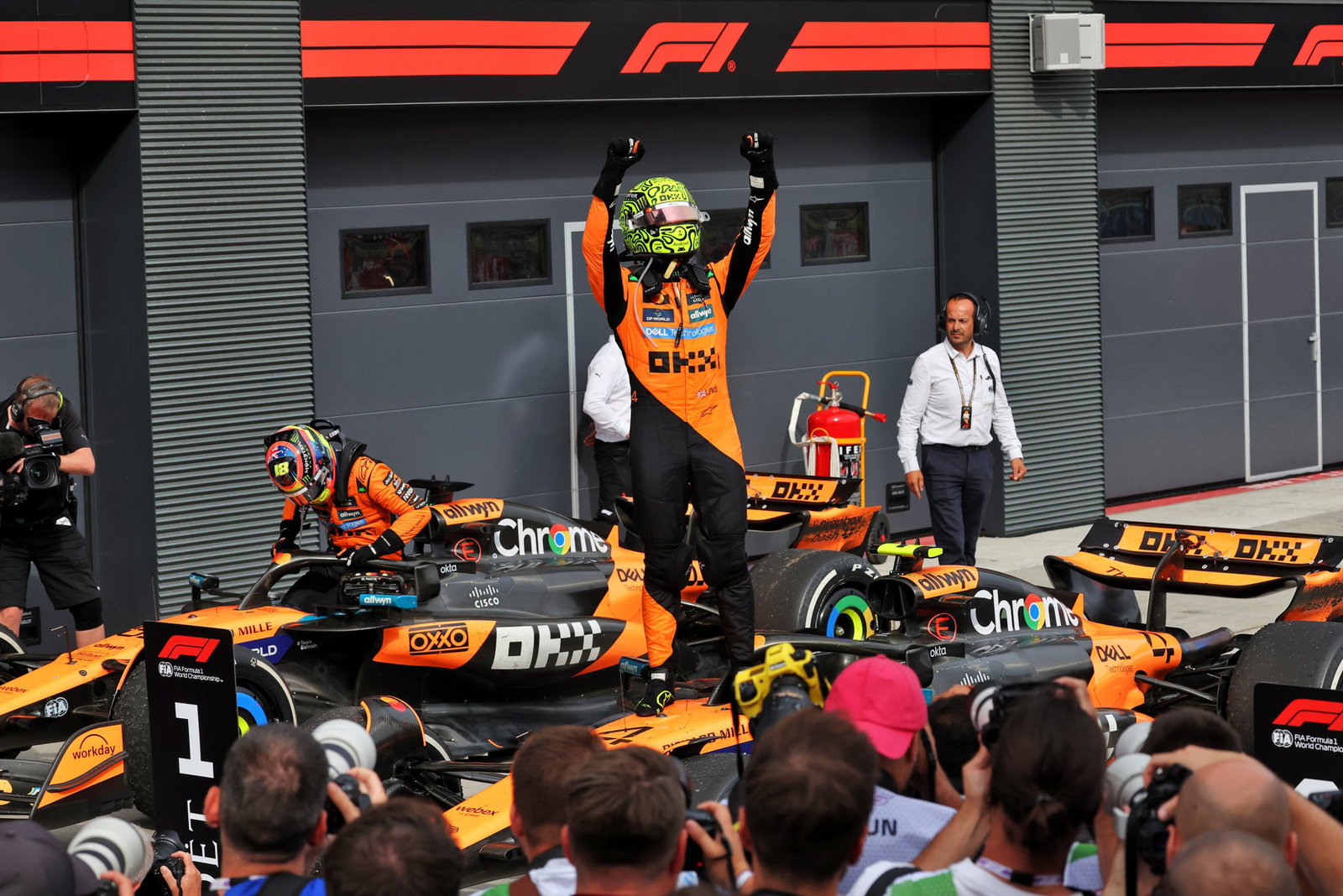
    Engineers practiced pit stops, collected telemetry and made iterative setup changes while addressing intermittent mechanical glitches, with observers expecting more performance‑focused runs by the afternoon of Day 3. On Day 2 McLaren’s Lando Norris posted the fastest lap among 18 runners; Red Bull showed competitive pace in early running, and Aston Martin planned to put Fernando Alonso into the AMR26 for his first on‑track running during the test.

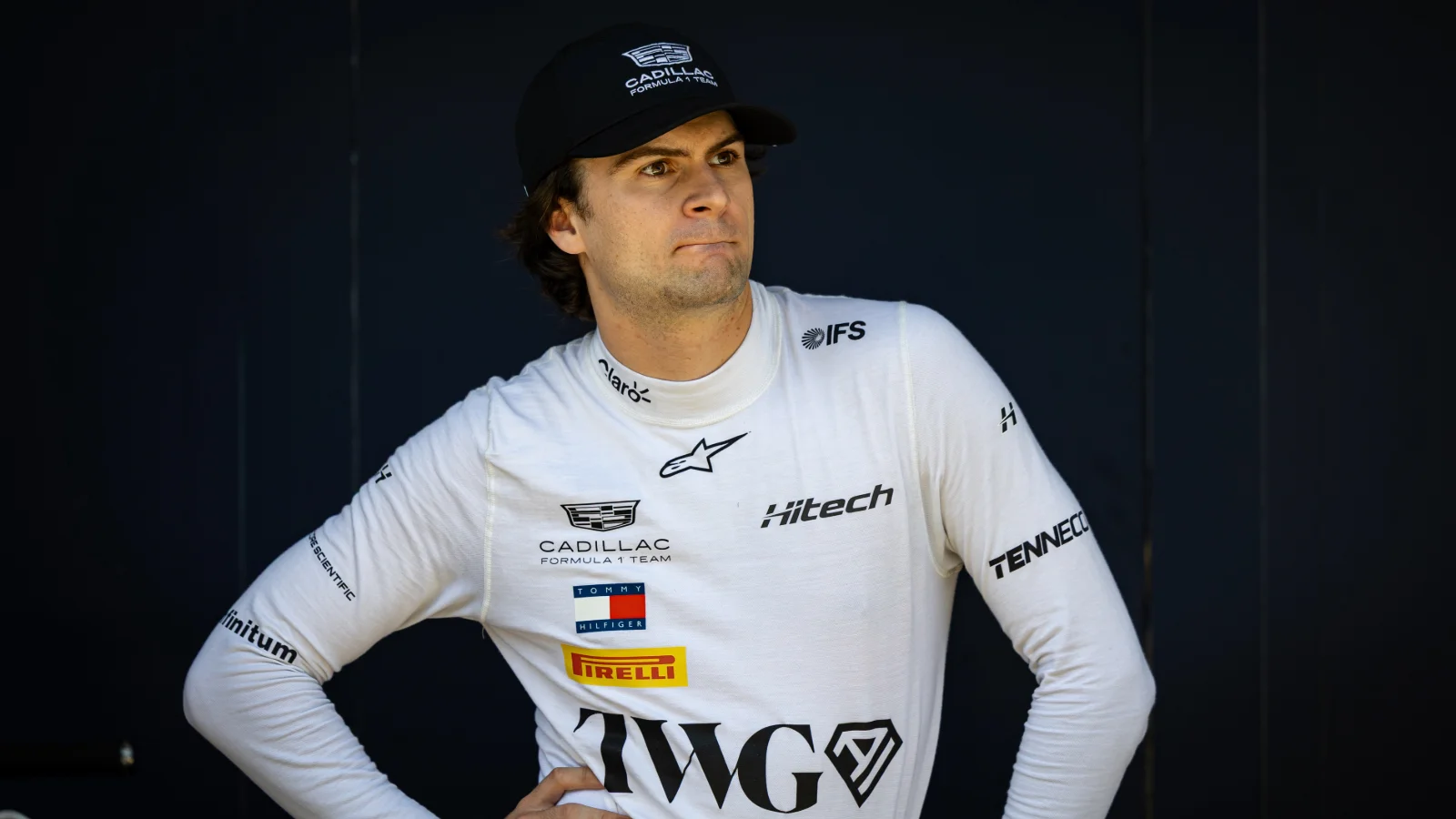
    Media on site provided live reporting and extensive photo coverage, documenting established drivers such as Max Verstappen, Lewis Hamilton, Charles Leclerc and George Russell alongside younger drivers Andrea Kimi Antonelli, Gabriel Bortoleto and Arvid Lindblad. Photographs also showed Sergio Pérez in Cadillac’s entry — Cadillac is the new entrant joining the 11 teams at Sakhir — and coverage framed the tests as a pivotal moment for teams to validate systems and gather baseline data ahead of the season.

    More
  • Hamilton: Ferrari SF-26 'Slower Than GP2' in Bahrain

    Hamilton: Ferrari SF-26 ‘Slower Than GP2’ in Bahrain

    Lewis Hamilton sharply criticized the pace, drivability, and technical rules of Formula 1’s 2026 cars after the opening morning of official pre‑season testing in Bahrain. Driving Ferrari’s SF‑26, he called the new package “slower than GP2” and described the engine and energy‑management systems as “ridiculously complex.” He said the car felt “shorter, lighter” and “like rallying,” warned that adaptive algorithms that learn a driver’s style could be disrupted by incidents such as lock‑ups, and cautioned that the added complexity risks confusing fans.

    The criticism centered on the radical shift in the 2026 power‑unit formula, roughly a 50/50 split of power between the internal‑combustion engine and electrical systems. The change has left many cars energy‑starved and forced teams to prioritize energy recovery. That has produced unconventional tactics in testing and qualifying, including deliberate backing off on straights, running lower gears to harvest battery, and long lift‑and‑coast stretches reported as roughly 600 meters. Hamilton nonetheless said basic energy management had felt “pretty straightforward” so far, while conceding that race trim could change the picture.

    He qualified his remarks by noting Bahrain’s gusty, dusty, and hotter conditions compared with the Barcelona shakedown, contradicting earlier positive comments that the 2026 cars were “more fun” after Barcelona. Early in testing, he ran wide several times, spun in the morning, and finished roughly one second behind session leader Max Verstappen. He stressed it was still too early to judge the package because teams have not yet optimized tires, aero, ride height, or mechanical balance and are “all in the same boat” as they learn the new systems.

    More
  • Audi Debuts Narrow Vertical Sidepod on B-Spec R26 in Bahrain

    Audi Debuts Narrow Vertical Sidepod on B-Spec R26 in Bahrain

    Audi brought a B-spec R26 to the Bahrain pre-season tests, carrying a markedly revised aerodynamic approach. The changes centered on a radically narrow, inverted forward-stretched vertical sidepod inlet and an almost two-tier bodywork arrangement that integrates the upper side-impact spar into the main body while allowing its tip to protrude. Surface-shaping changes include a pelican-style G-line (a pronounced surface crease to help guide airflow), a gentler gulley on the upper sidepod, a channel on the top surface, and a ramped undercut that directs flow toward the floor edges. Those elements are intended to shorten the pathway to the diffuser, increase downwash, and deliver cleaner, higher-energy airflow to the underfloor and rear. Observers compared the concept to Mercedes’ 2022 “zeropod” experiment, although Audi retained conventional sidepod bodywork rather than adopting a full zeropod layout.

    Audi ran an early-January Barcelona shakedown using a more conventional inwashing sidepod layout, but that outing was limited to 240 laps by a technical issue. The team completed a later closed test in January and arrived in Bahrain with the B-spec R26. Gabriel Bortoleto ran the revamped car on Wednesday morning at Sakhir, and Nico Hülkenberg drove the afternoon session. The R26 carried large Kiel probe rakes (arrays of flow sensors) and wrapped sensors to correlate on-track airflow with CFD and wind-tunnel work. Audi also introduced hardware changes, including a new twin-pod front-wing activation system and a revised rear-wing activation layout designed to exploit the sport’s relaxed deployment rules.

    Team management says the updates are part of an iterative aero development path rather than a wholesale concept switch. However, commentators called the package a clear technical wildcard for the start of the season. Audi engineers are using the Bahrain running to evaluate cooling, reliability, and unconventional flow management under full-test conditions. Factory development will continue, with a second three-day shakedown in Bahrain scheduled for February 18–20 and further parts planned ahead of the Australian season opener on March 8.

    More