NXTbets Inc

  • Donny Schatz ends 510-day drought at Talladega Short Track

    Donny Schatz ends 510-day drought at Talladega Short Track

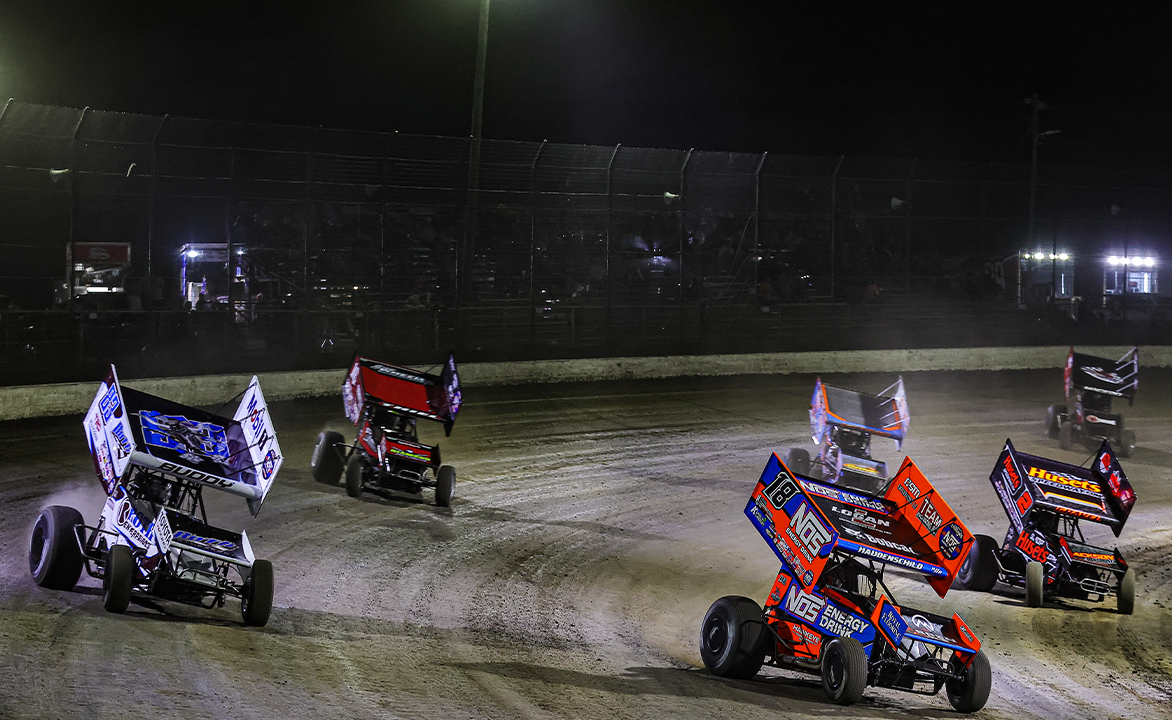
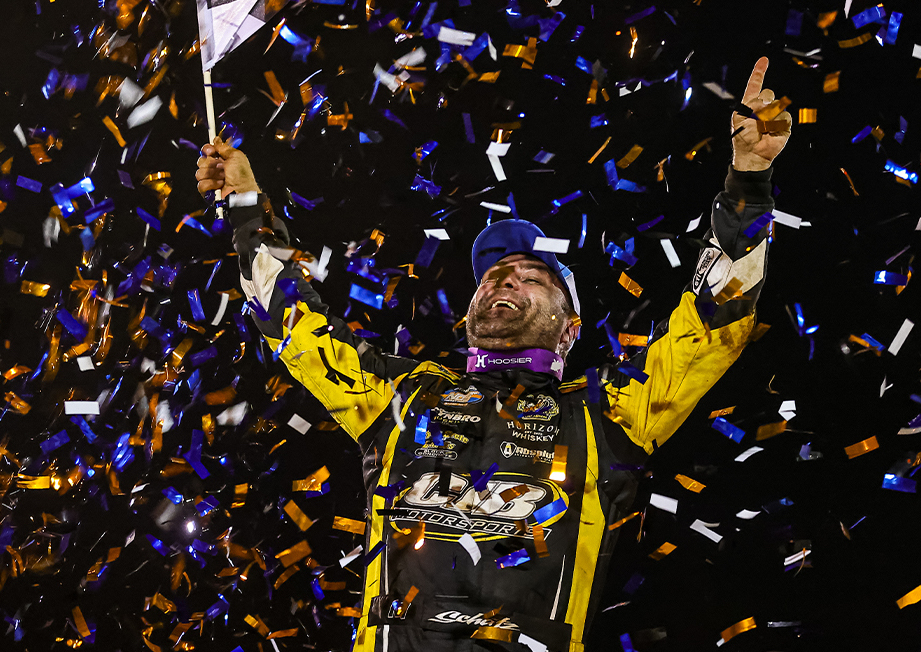
    Donny Schatz ended a 510-day World of Outlaws winless streak by winning the 35-lap feature at Talladega Short Track in Eastaboga, Alabama. The victory was Schatz’s first with CJB Motorsports and his first at Talladega Short Track, and it gave CJB Motorsports its sixth different winner. It marked the 317th checkered flag of his career, earned across 90 different tracks, and came in his 30th World of Outlaws season after he parted ways with Tony Stewart/Curb-Agajanian in August 2025.

    Schatz qualified second, won his heat and captured the Toyota Dash to start the feature on the pole. He held off early pressure from Bryce Lucius and Sheldon Haudenschild, then navigated traffic to pull away and beat Haudenschild and Michael “Buddy” Kofoid for the win. Schatz credited Chad Clemens and the CJB Motorsports crew for the performance and called the victory ‘getting a monkey off your back.’

    Sheldon Haudenschild finished second and Kofoid was third, while Bryce Lucius was fourth and Garet Williamson fifth. Carson Macedo finished seventh and David Gravel 11th, leaving Macedo and Gravel tied atop the championship standings after the event.

    More
  • Mercedes fined €7,500 over Antonelli fan release

    Mercedes fined €7,500 over Antonelli fan release

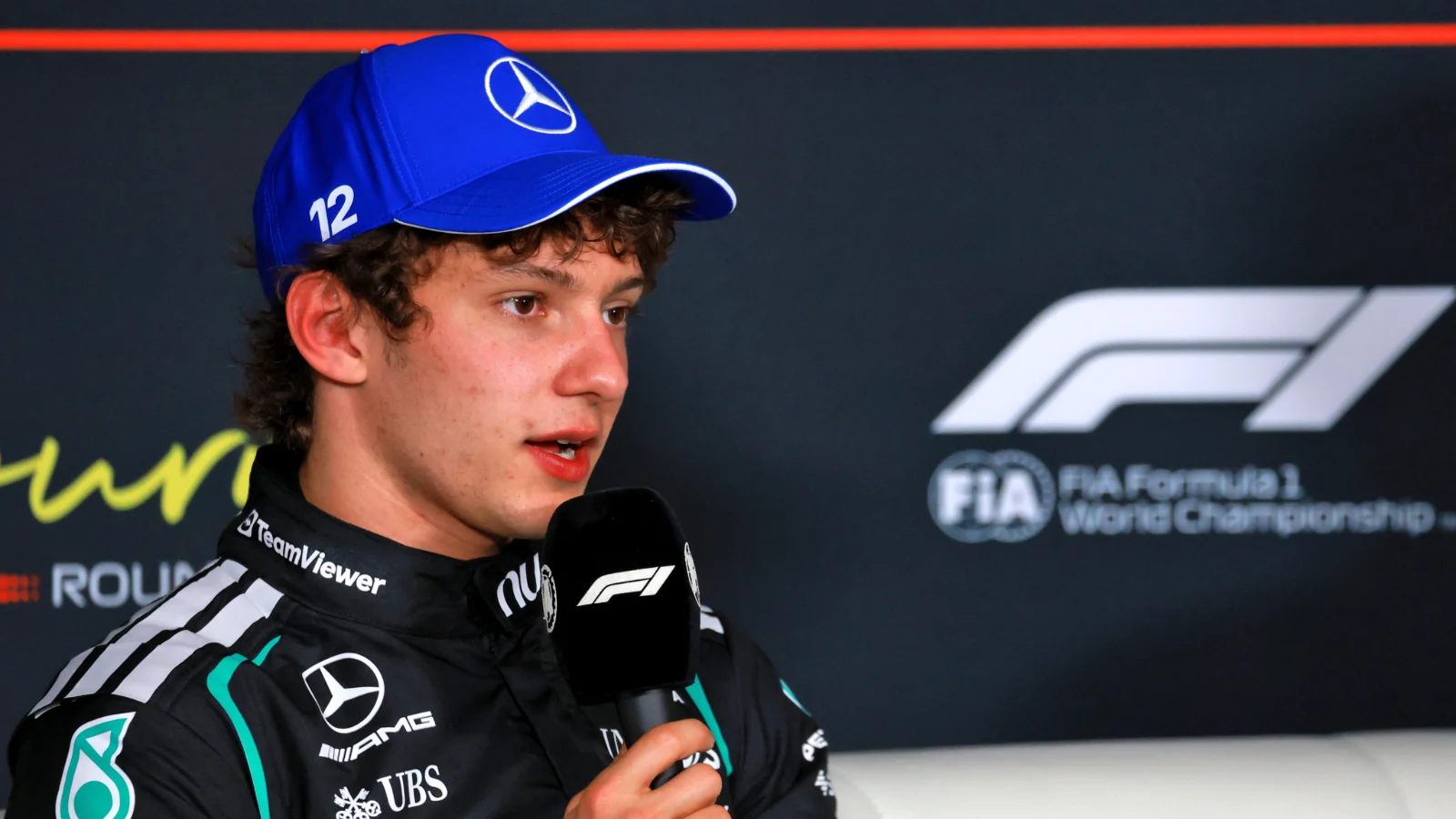
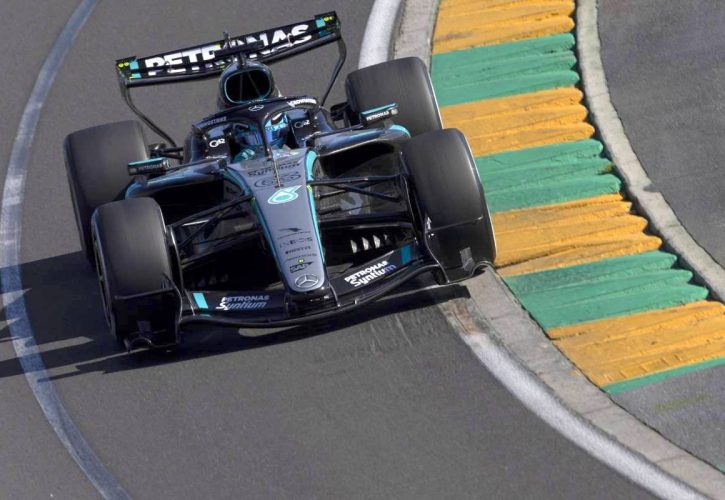
    Mercedes was found to have committed an unsafe pit‑lane release in Q3 at the Australian Grand Prix after Andrea Kimi Antonelli was released with cooling fans still attached to his sidepods. Two cooling fans detached after the release — one flying into the Turn 1 braking zone and the other coming off near Turn 3 and being destroyed after Lando Norris ran over it — and debris from the detached fans prompted a roughly 10‑minute red flag while marshals cleared the track. The detached fans damaged Norris’s front wing and interrupted running, but qualifying was able to resume with about 10 minutes remaining.

    The FIA summoned Mercedes to answer an alleged breach of Article B1.6.2 b) i) and the stewards ultimately fined the team €7,500, applying a monetary sanction rather than a grid penalty. Stewards also reviewed a separate matter in qualifying when a Mercedes team member briefly pushed Antonelli’s car away from the fast‑lane white line during a red flag; they judged that touch did not constitute prohibited “work” under Article B1.6.1e and imposed no penalty, describing the action as appropriate to prevent hindering other drivers.

    The incident followed a heavy FP3 crash for Antonelli that left his car effectively totaled and required an extensive rebuild before qualifying; Mercedes said the crew member usually responsible for removing the cooling fans had been occupied because of that rebuild, a factor the team cited as contributing to the unsafe release. Despite the disruption and the stewards’ probes, Mercedes secured a front‑row lockout in qualifying with George Russell on pole (1:18.518) and Antonelli second (1:18.811), 0.293 seconds behind; the stewards’ findings highlighted pit‑lane safety procedures and the operational strain on teams during quick rebuilds between sessions.

    More
  • Russell takes pole; Mercedes lock front row at Albert Park

    Russell takes pole; Mercedes lock front row at Albert Park

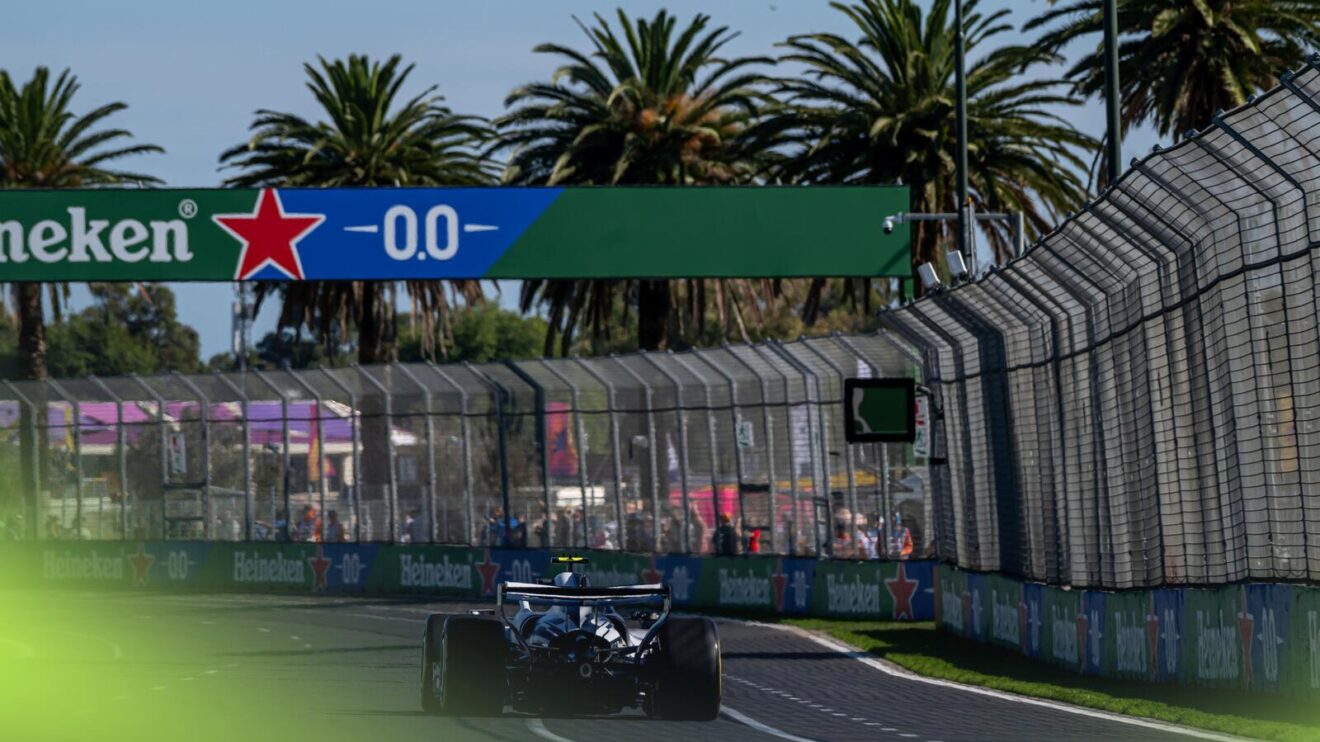
    George Russell and Mercedes topped qualifying at the Australian Grand Prix at Albert Park, with Russell taking pole on a 1:18.518 lap and teammate Kimi Antonelli completing a Mercedes front row roughly three‑tenths back with a 1:18.811. Russell led every phase of qualifying and set the first 1:18 of the weekend in Q2, underlining Mercedes’ one‑lap pace; Isack Hadjar put a Red Bull third (1:19.303), with Charles Leclerc fourth, Oscar Piastri fifth and Lando Norris sixth.

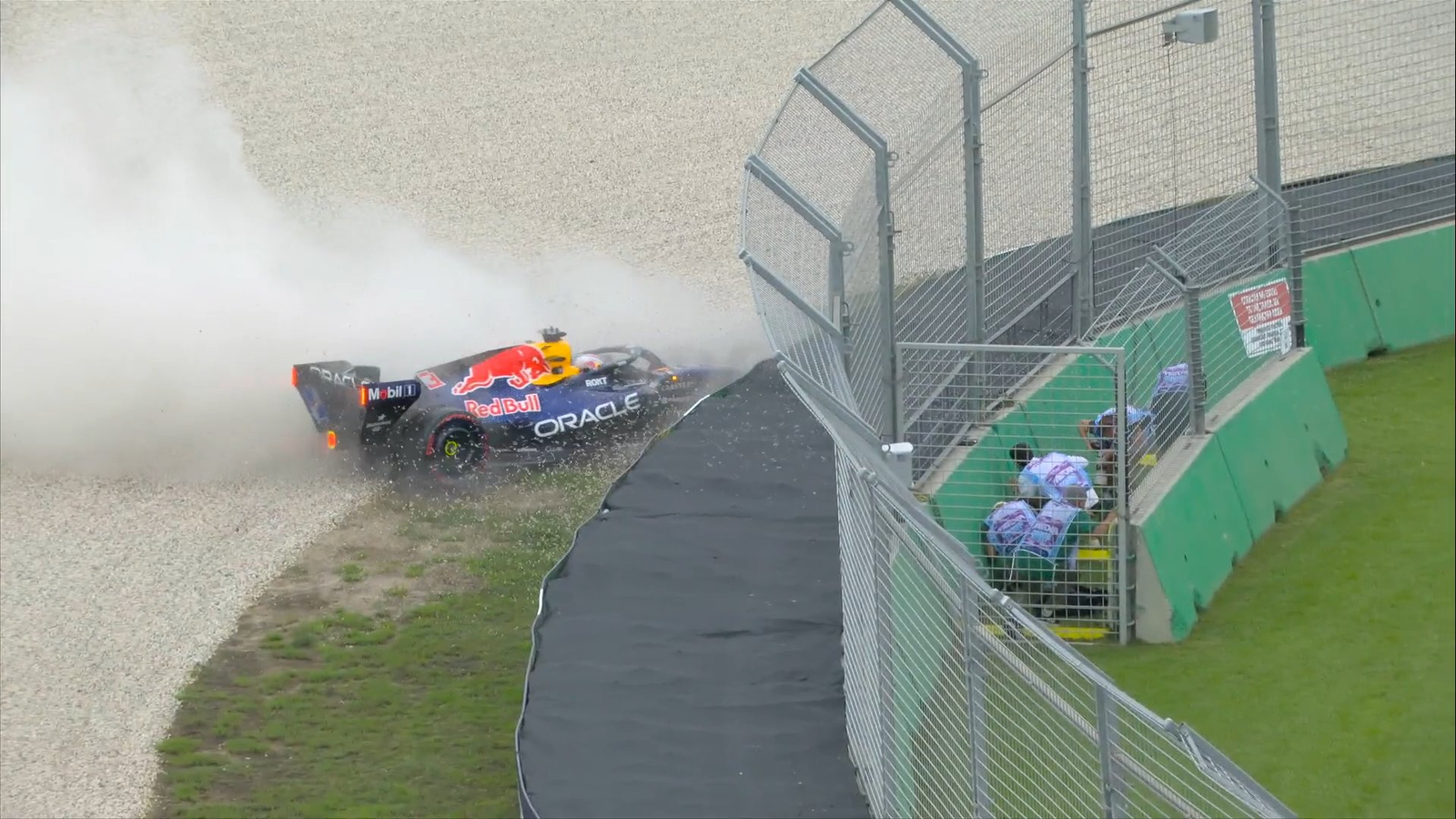
    Q1 was dramatic: Max Verstappen spun under braking for Turn 1, locked the rear and struck the barriers on his first flying lap, recording no time and exiting qualifying; he was classified 20th. Verstappen’s crash produced a Q1 red flag and was one of several high‑profile casualties: Fernando Alonso, Sergio Pérez and Nico Hülkenberg all failed to reach the top 10, while Carlos Sainz and Lance Stroll set no times and were classified at the back of the order.

    Mercedes’ strong result followed a frantic build‑up — Antonelli had suffered a heavy FP3 crash and his team rebuilt the car in time for him to return and claim second. Q3 itself was interrupted when cooling fans detached from Antonelli’s car and debris was left on track; one fan was subsequently run over by Lando Norris and Antonelli was placed under investigation for an unsafe release. Gabriel Bortoleto was also prevented from taking part in Q3 by a technical issue, leaving only nine cars to contest the final phase and highlighting the volatility and technical dramas that reshaped the grid ahead of the race.

    More
  • FIA Removes Straight Mode Zone at Albert Park

    FIA Removes Straight Mode Zone at Albert Park

    The FIA removed a Straight Mode activation zone in the high-speed lakeside middle sector at Albert Park for the remainder of the Australian Grand Prix weekend after drivers raised safety concerns that low downforce in traffic could cause loss of control, including front- and rear-end sliding. Sources variously described the deleted zone as covering Turns 6–9, 7–9 or the esses at 8–9; teams were informed of the change at 9:45 a.m. on Saturday, just over two hours before FP3. FIA single-seaters head Nikolas Tombazis said the Straight Mode had been an “aggressive” choice and emphasized “safety is number one,” while officials called the full removal a blunt or “draconian” but provisional, safety-driven measure.

    The FIA said overnight simulations and analysis of data from all 11 teams — which showed seven teams had less front-axle downforce than expected — supported the decision, and it noted it may seek other interventions such as imposing minimum downforce levels pending further data. Officials said they considered shortening the zone but judged that option too risky and described the removal as a blunt, all-car solution because the Straight Mode effect varied between car designs; they plan to analyze more data after the first two races to find less blunt options.

    The late change forces technical and strategic revisions: cars will now carry Corner Mode wings through the former Straight Mode sector, increasing aerodynamic drag and forcing teams to rework aerodynamic setups, ride heights and tire plans on short notice. Reduced entry speeds into Turn 9 will shorten braking zones and cut opportunities to recharge batteries, meaning energy-recovery and battery-deployment strategies must be revised; officials warned energy recovery through the sector will be harder and the change will reshape race and qualifying strategy under the new rules. The intervention comes at the first event run under the 2026 technical regulations, which replace DRS with a five-zone active-aero Straight Mode system that opens bodywork on long acceleration stretches to reduce drag and automatically closes for corners; the 2026 rules also removed the MGU-H, introduced an Overtake Mode battery boost and added a five-second pre-start turbo build-up delay. Early running at Albert Park showed several manufacturers demonstrating promise while others faced problems, underscoring that the Straight Mode removal will have immediate implications for teams adapting setups, energy management and strategy across the rest of the weekend.

    More
  • RB22 lockup sends Verstappen to back of grid

    RB22 lockup sends Verstappen to back of grid

    Max Verstappen’s Friday troubles at the Australian Grand Prix left Red Bull scrambling to repair an RB22 that sustained floor and underside damage. During FP2 Verstappen ran wide at Turn 10, went onto grass and gravel and shed pieces of the car’s floor and bodywork before keeping the car pointing and completing another lap to return to the pits; he completed just 13 laps in the session and ended the day sixth overall. Red Bull engineering chief Paul Monaghan described the damage as “enough to keep us busy” but recoverable, and praised the new Ford-backed power unit as “brand spanking new” and notably reliable.

    The on-track damage compounded earlier performance issues. Verstappen’s FP2 running had been compromised by an electronic control-box problem that kept him off track for the first 25 minutes, and he posted the sixth-fastest time, about 0.637 seconds behind FP2 leader Oscar Piastri and roughly six-tenths adrift of the quickest cars overall. Sky Sports analyst Anthony Davidson suggested the Turn 9/10 off was a momentary lapse as drivers adjust to roughly 30% less downforce under the 2026 rules; Verstappen said the rule changes were complex and that fans need a “degree” to understand them. Team mate Isack Hadjar and Red Bull engineers also reported deployment and consistency questions and cautioned it was too early to judge the pecking order.

    The situation worsened in qualifying when Verstappen lost control of the RB22’s rear while braking into Turn 1 and suffered a Q1 collision that brought out red flags. He reported a locked rear axle, climbed from the car largely unhurt and had not set a timed lap before the stoppage; he is set to start at the rear of the field. That result deprived Red Bull of further track time to inspect and prepare the repaired RB22 and will shape the team’s preparations for the race.

    More
  • Ashton Torgerson earns first World of Outlaws podium

    Ashton Torgerson earns first World of Outlaws podium

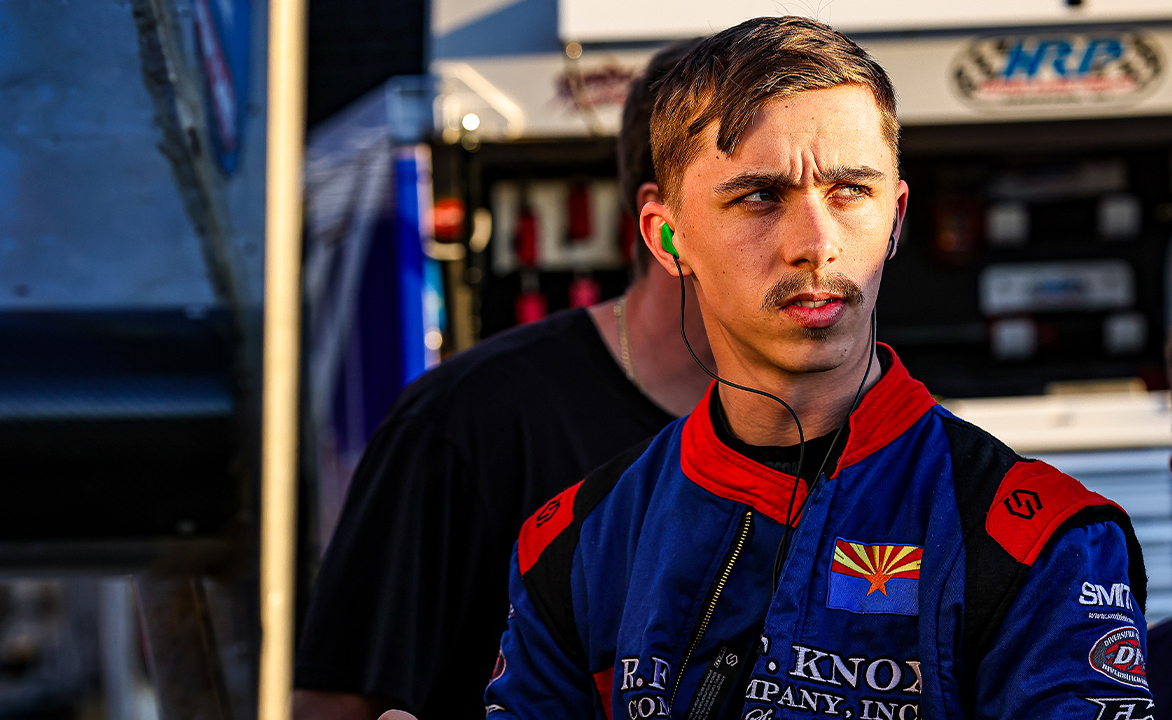
    Ashton Torgerson’s breakout rookie season with Shark Racing produced his first World of Outlaws NOS Energy Drink Sprint Car Series podium when the 19-year-old charged from sixth to finish second at Volusia Speedway Park. He moved into second by passing David Gravel, Carson Macedo and Sheldon Haudenschild; Torgerson called the result a learning effort as he figured out the track and credited his crew. He signed with Shark Racing last April.

    Torgerson’s performance at Volusia capped a strong start to his rookie campaign. He recorded Simpson Quick Time on opening night, posted three top-10s in the first five races at Volusia, earned a win at BAPS Motor Speedway and finished in the top 10 in Eldora Speedway’s Kings Royal. Those results put him atop the early Kevin Gobrecht Rookie of the Year standings presented by Five Star Bodies, leading Scotty Thiel by 40 points.

    His rookie season continues this weekend with World of Outlaws stops at Talladega Short Track in Eastaboga, Alabama, and Magnolia Motor Speedway in Columbus, Mississippi.

    More
  • Tomac Favored at Indy as Lawrence Holds 1-Point Lead

    Tomac Favored at Indy as Lawrence Holds 1-Point Lead

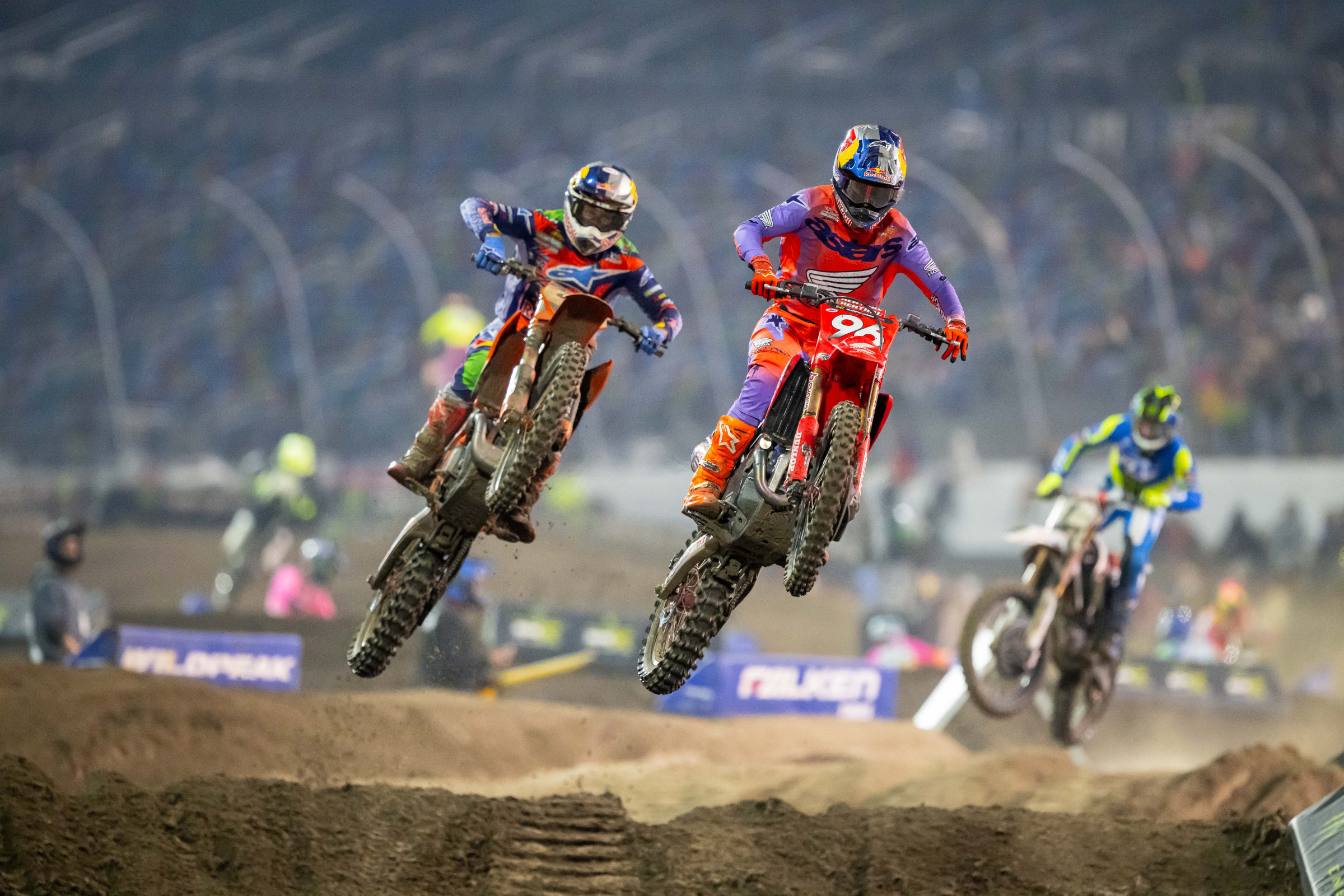
    The Indianapolis Triple Crown preview centers on how rider form, championship margins and the three-race format will decide Round 9 at Lucas Oil Stadium. Hunter Lawrence entered the weekend holding the 450SX red plate by a single point after six podiums in the first eight rounds, but bookmakers and oddsmakers were pointing to Eli Tomac as the rider to beat.

    Tomac had collected four wins through eight rounds, including a Daytona triumph last week that extended several all-time marks — his 57th career 450SX win and 113th SMX League victory — and left him chasing career milestones in top-10 totals.

    Ken Roczen’s season-long consistency — a 4.25 average finish and only three results outside the top three — and Cooper Webb’s status as defending Indianapolis champion and recent Triple Crown winner in Houston round out the headline storylines. NXTbets highlighted Webb as strong value based on a 2.6 finishing average over the last five rounds while naming Tomac the overwhelming favorite and offering odds and strategy guidance tied to the Triple Crown format.

    More
  • Outlaws run Dirty South doubleheader at Talladega, Magnolia

    Outlaws run Dirty South doubleheader at Talladega, Magnolia

    The World of Outlaws NOS Energy Drink Sprint Car Series stages a Dirty South doubleheader, visiting Talladega Short Track today and Magnolia Motor Speedway on March 7. These are the tour’s only stops in Alabama and Mississippi this season, mark the World of Outlaws’ 14th visit to Talladega and follow a Bike Week swing through Florida.

    Both shows are designated First Responder Nights, offering $10 ticket discounts and 20% off merchandise as a community-promotion angle expected to boost fan attendance.

    Key driver storylines for the weekend include David Gravel, the series points leader, a two-time World of Outlaws champion with 120 career wins and four straight podiums; he finished fourth at Talladega in 2023 and was runner-up there in 2025, and he won at Magnolia last year. Sheldon Haudenschild and KCP Racing arrive in strong form after Haudenschild led every lap for his 47th World of Outlaws victory at Volusia and has reached the podium in all three of the series’ visits to Magnolia. Nineteen-year-old Ashton Torgerson, who set Quick Time in the season opener and posted seventh- and second-place results during Bike Week, has emerged as a legitimate Rookie of the Year contender. Mechanical trouble and early-season struggles add stakes: Michael “Buddy” Kofoid suffered a mechanical meltdown at Volusia that forced a provisional start and a 27th-place finish, dropping him to fourth in the standings and 46 points behind Gravel, while last year’s Talladega winner Bill Balog has been off pace through the early season and remains outside the top 10 after five races. The doubleheader pairs local promotions with tight championship implications as the series’ brief southeastern run continues.

    More
  • FIA narrows automatic penalties, widens steward discretion

    FIA narrows automatic penalties, widens steward discretion

    The FIA published updated driving-standards and penalty guidelines ahead of the 2026 Formula 1 season, presenting the document as guidance to inform stewards rather than as formal changes to the sporting regulations. The revisions build on a 2025 review and follow a meeting with teams and drivers in Qatar, seeking to inject more flexibility and “common sense” into stewarding by narrowing automatic penalty‑point triggers to truly dangerous, reckless or apparently deliberate actions and by giving stewards broader discretion to judge incidents in context.

    The guidance makes clear that minimal contact described as a touch or “kiss” may attract no penalty, while for especially severe or “very extreme” deliberate or reckless collisions stewards may now impose the harshest sanctions, including disqualification or a suspension from the next race. Existing tools such as the 10-second stop-and-go penalty and the four penalty-point threshold remain available, though no driver received that specific sanction during the 2025 season. The document also sets measurable overtaking and track-limit criteria: inside moves should have the overtaking car’s front axle at least alongside the other car’s mirror prior to and at the apex, outside moves should have the overtaker’s front axle ahead at the apex, and moves must be driven in a controlled way within track limits.

    Chicanes and S‑bends are to be judged element-by-element, white lines count as track while curbs do not, and qualifying and Sprint laps that gain a benefit will be deleted with a “three strikes” approach applied in Sprint and Race sessions subject to stated exceptions. Rules on defending after leaving the track were tightened so that a car that cuts a chicane or leaves the track and then rejoins in the same position will generally be considered to have gained a lasting advantage and should concede the place, with final decisions remaining at stewards’ discretion. The guidance also clarifies investigatory standards—lock-ups will not automatically be treated as loss of control, temporary loss of control may stem from avoidance or physics, and apex lines can legitimately vary between drivers and attempts—while yellow-flag enforcement was given rough benchmarks (about 5% slower for single waved yellows and ~15% for double waved yellows). Stewards will factor tire condition, fuel load, energy deployment and track and environmental conditions when judging compliance.

    The changes were prompted in part by controversial 2025 stewarding decisions, notably the Brazilian Grand Prix where Oscar Piastri received a 10-second penalty and two penalty points for a Turn 1 collision that drew criticism from Carlos Sainz, and the package includes caveats and explicit overtaking criteria intended to reduce automatic penalties and make stewarding more consistent and context-sensitive going into 2026. Notable 2025 examples cited in the update include Max Verstappen, who was the only driver to receive as many as three penalty points for contact in 2025 and who served a 10-second penalty at the Spanish Grand Prix for colliding with George Russell without stewards deeming the collision deliberate or reckless.

    More