NXTbets Inc

  • Erb Recovers at Volusia, Eyes Upcoming DIRTcar Events

    Erb Recovers at Volusia, Eyes Upcoming DIRTcar Events

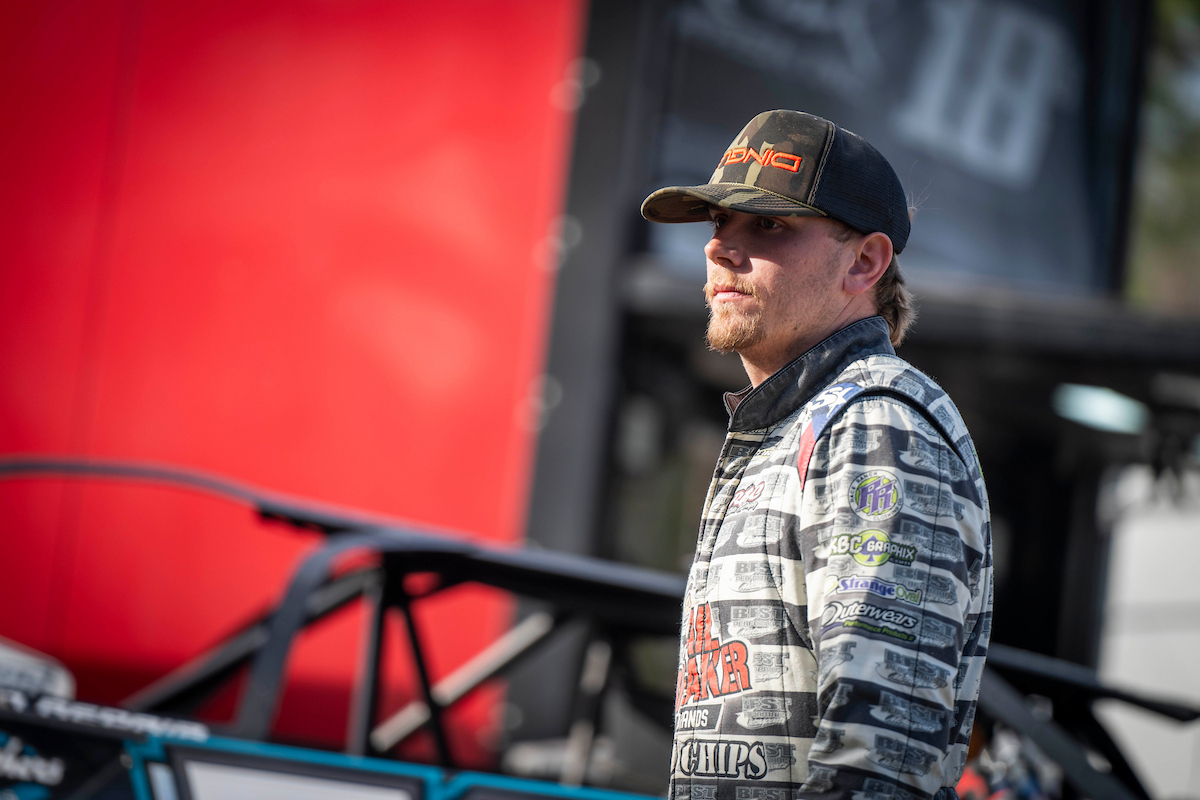
    Tyler Erb’s weekend at the DIRTcar Sunshine Nationals at Volusia Speedway Park began with a sudden, race-ending heat crash that destroyed his Best Performance Motorsports No. 1. Running third in the heat after qualifying fourth, his car veered into the inside wall at the exit of Turn 4. Erb said he didn’t know what happened and briefly considered ending his night before his crew and nearby competitors helped get a backup machine ready. Pushed into service, the backup started the main event from a provisional 26th spot, and Erb methodically charged through the field, reaching the top 15 within 12 laps and ultimately salvaging an eighth-place finish. Erb was quick to point out that the finish was evidence that the team had the speed to contend.

    The recovery carried into Friday when Erb qualified on the pole for his heat. He proceeded to win that heat wire-to-wire and drew fourth for the feature. Erb rallied from that starting spot to finish a strong runner-up behind Hudson O’Neal, even running side-by-side for the lead on the final lap. That performance underscored the rebound from Thursday’s setback and reinforced Erb’s confidence in the team’s speed during his first full World of Outlaws Late Model season.

    Saturday brought another challenge, sending Erb through the Last Chance Showdown and resulting in a 16th-place finish in the main event. Because the series’ winter scoring counts each driver’s five best results of the eight races, the weekend’s poor result should have limited impact on his points standing. With help from crew members and fellow competitors who assisted in readying the backup, Erb left Volusia focused on improving for the upcoming Federated Auto Parts DIRTcar Nationals (February 12–14) and the Swamp Cabbage 100 (February 20–21).

    More
  • Mercedes Tops Barcelona Shakedown as Russell, Antonelli Lead

    Mercedes Tops Barcelona Shakedown as Russell, Antonelli Lead

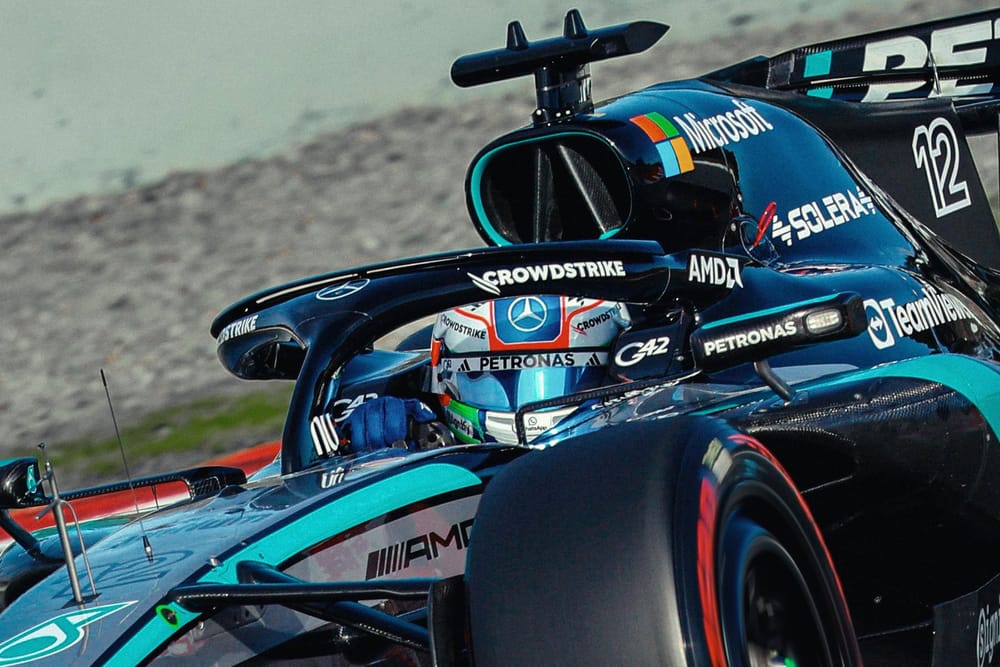
    On the third day of the closed-door Barcelona shakedown, Mercedes logged heavy mileage and topped the unofficial timesheets. George Russell set the morning benchmark with a 1:17.580, and teammate Kimi Antonelli lowered that to 1:17.382 in the afternoon. Russell had completed about 92 laps by lunchtime and Antonelli roughly 91 in the afternoon, resulting in around 183 laps between them. Mercedes reported no major reliability issues with the W17.

    The session emphasized mileage and system validation rather than a straight performance shootout. The German-owned garage focused on long runs and setup work while repeatedly producing the day’s best times. Teams described the running as program-focused and treated the unofficial timings as indicative rather than definitive.

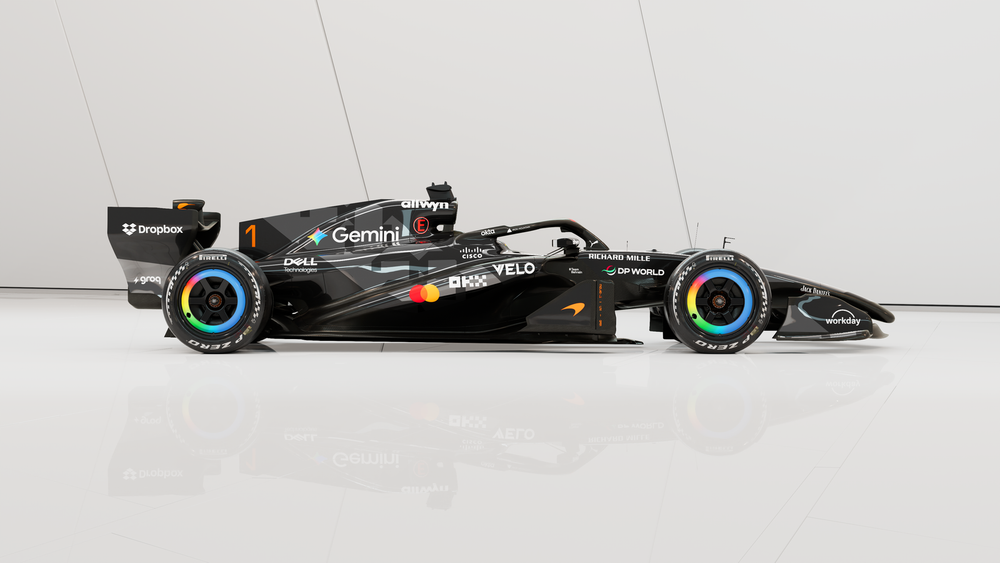
    Six teams ran in drier Wednesday conditions. McLaren made the public debut of its black-liveried MCL40, with Lando Norris completing a 70-plus lap program and posting the third-fastest time. Alpine logged substantial miles through Franco Colapinto and Pierre Gasly. Haas’ Ollie Bearman posted the quickest lap outside Mercedes but was limited to roughly 40 laps after an early stoppage. Audi and Racing Bulls each triggered red flags, with the former’s Nico Hülkenberg stopped between Turns 9 and 10. Red Bull and Ferrari did not run, while Aston Martin was due to appear the following day, and Williams missed the shakedown entirely.

    More
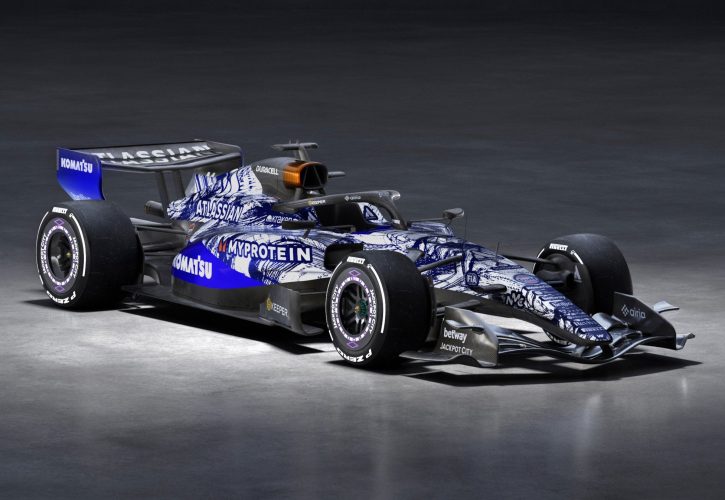
  • Williams FW48 Reportedly Fails Crash Tests, 44-66lbs Overweight

    Williams FW48 Reportedly Fails Crash Tests, 44-66lbs Overweight

    F1’s 2026 technical overhaul forced teams into an early, fundamental reshaping of chassis, aerodynamic packaging, and power units, and introduced substantially tougher crash and driver‑protection tests. Key rule changes include a lower minimum car mass (from 1763.7 to 1693.15 lbs), higher roll‑hoop static loads (from 105/140 kN to 129/172 kN), a survival‑cell fuel‑tank side‑load increase (from 50 kN to 110 kN), stiffer wheel‑contact, cockpit‑floor, and nose push‑off checks. The alterations for the upcoming session also include a new lateral push‑off‑to‑failure test that requires failure rearward of 650 mm at thresholds above 52.5 kN. Many early‑launch cars already show larger roll hoops, bulkier airboxes, and noses reinforced by stronger structures. Teams are expected to iterate designs throughout the season as they balance compliance with competitive pace.

    Williams has faced early development setbacks. The team skipped a behind‑closed‑doors Barcelona shakedown to concentrate on its FW48. Initial reports said the car failed three mandatory FIA crash tests. However, an Italian outlet later reported the FW48 had passed the crash test required for homologation. Those accounts conflict, and the pass report has not been independently verified. Multiple sources place the FW48 roughly 44-66 lbs over the new 1693.15 lbs minimum, and missing the Barcelona running trimmed on‑track preparation time ahead of the opening races.

    Any remedial chassis work to meet the new mass and safety limits will count against the sport’s cost cap, potentially reducing funds available for mid‑ and late‑season upgrades. Williams is reported to be shifting focus to aggressive weight‑reduction work before its next scheduled on‑track running in Bahrain. Whether those fixes restore on‑track competitiveness without creating further homologation or budget issues is a pivotal early‑season question.

    The situation highlights the wider 2026 tension between much tougher mandatory safety requirements and the cost‑cap constraints that now shape development across the grid. This presents a particular challenge for teams that showed momentum in 2025, with Williams having finished fifth in the Constructors’ Championship on points from Alex Albon and Carlos Sainz.

    More
  • Three-day Sepang Shakedown Set to Limit Media Access

    Three-day Sepang Shakedown Set to Limit Media Access

    MotoGP will stage a semi-official shakedown at the Petronas Sepang International Circuit from January 29–31. It is the first on-track running since the Valencia post-season test in 2025. The circuit will be open each day from 10:00 to 18:00 local time, giving participants up to eight hours daily to perform systems checks, evaluate updated bikes and collect early setup data ahead of the main collective test. Media access is tightly limited to the paddock and service road, and no live coverage is planned; motogp.com will publish daily round-ups instead.

    The entry list is reduced after Honda moved from concession band D to C, a change that excludes Luca Marini and Joan Mir and leaves only a small group of full-season riders expected on track. The full-time riders most likely to attend include factory Yamahas Fabio Quartararo and Alex Rins; Pramac riders Jack Miller and Toprak Razgatlioglu; and rookie Diogo Moreira, who is expected to run on the LCR Honda. Razgatlioglu is also classified as a rookie.

    Yamaha, which holds Rank D concessions, will be a focal point. The factory is bringing a significant new V4 iteration with a redesigned frame and an aero package developed with feedback from its four affiliated riders. Toprak Razgatlioglu will also work on requested ergonomic changes.

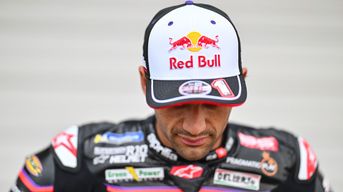
    Manufacturers are using Sepang for targeted program work rather than full-field testing. Honda will pursue development under Aleix Espargaro’s supervision while Taka Nakagami focuses on a separate 2027 850cc project. KTM plans a larger pre-season program led by Pol Espargaro with likely involvement from Dani Pedrosa. Ducati and Aprilia anticipate quieter shakedowns focused on their test riders, Michele Pirro and Lorenzo Savadori. Savadori is set to ride multiple Aprilias to cover for the injured Jorge Martin.

    Overall, the shakedown is an initial, compact opportunity for teams to resolve technical issues and gain early technical impressions before the official collective test begins three days after the shakedown concludes.

    More
  • Norris Posts MCL40's First Laps with Number 1

    Norris Posts MCL40’s First Laps with Number 1

    McLaren’s new 2026 car, the MCL40, made its on‑track debut when Lando Norris drove it out of the garage on day three of the Barcelona pre‑season test at the Circuit de Barcelona‑Catalunya. The installation lap came shortly before 11 a.m. local time and the car ran in a predominantly black testing livery to underline that this was a shakedown rather than a race specification. Norris, the reigning world champion, ran for the first time with the number 1 on his nose and was credited with the MCL40’s first laps.

    The Woking‑based team deliberately sat out the first two days of the five‑day test and confirmed it would use its permitted three consecutive days of running, Wednesday, Thursday, and Friday, as part of a planned program to maximize development time. Team principal Andrea Stella framed the delayed start as “Plan A,” not a sign of preparation delays, and McLaren had earlier released renders but chose not to carry out a prior shakedown before the test. As a consequence of that preparation choice, McLaren was the only team that needed to run on three straight days during the Barcelona test. The outing was described as a controlled shakedown intended to confirm systems and gather initial data rather than provide lap times or performance benchmarks, and at the time no official on‑track photograph had been released.

    Wednesday’s running was interrupted by about 40 minutes of red flags after incidents involving Audi and Haas, underscoring a disrupted opening that affected several teams’ programs. Other outfits faced preparation issues, too. Red Bull’s program remained uncertain after Isack Hadjar’s crash earlier in the week, Aston Martin planned to concentrate running on Thursday and Friday, and Williams withdrew from the test citing build delays even though its FW48 chassis had passed FIA homologation. McLaren’s MCL40 debut, therefore, arrived amid differing timetables across the paddock and represented an early, practical step in the team’s validation and setup work for the 2026 season, with no technical performance details disclosed.

    More
  • Ferrari Debuts SF-26 with Active Wings, Compact Chassis

    Ferrari Debuts SF-26 with Active Wings, Compact Chassis

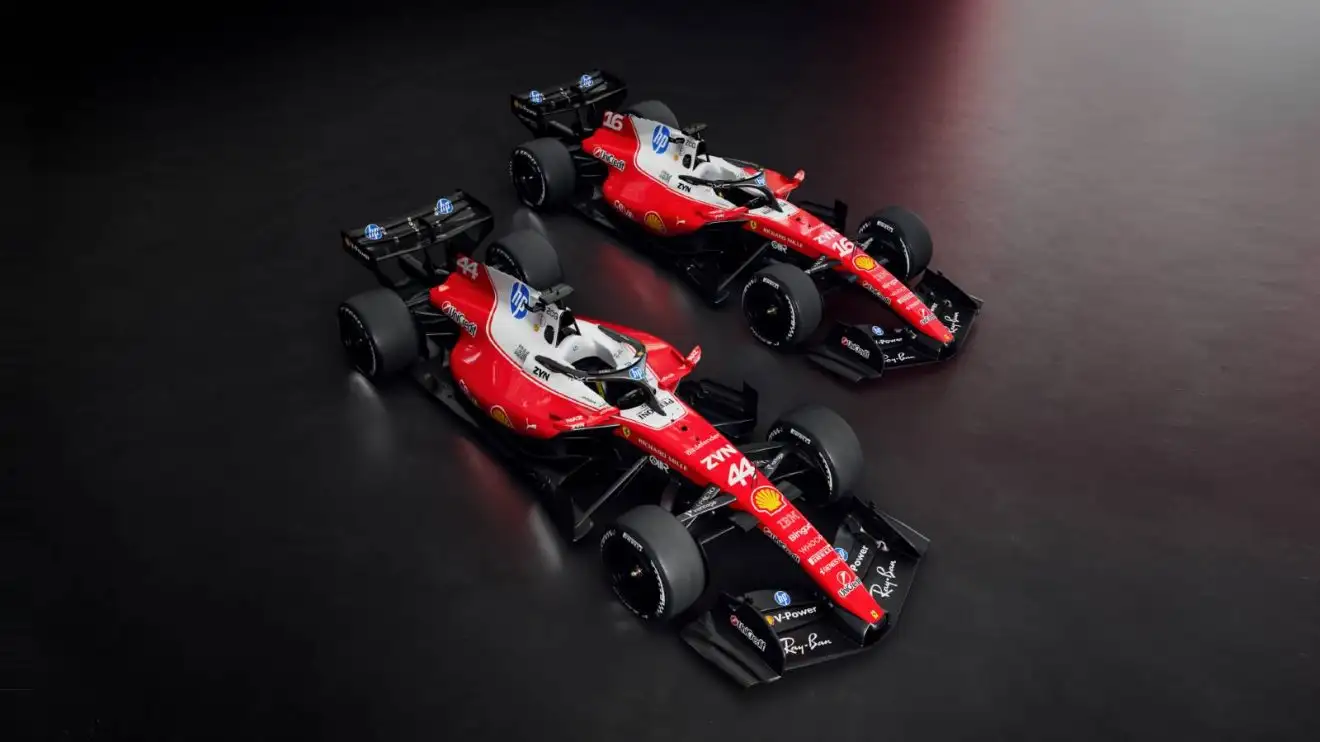
    Ferrari launched its 2026 challenger, the SF-26, at Maranello and completed an initial shakedown that the team called a meaningful milestone. Team principal Fred Vasseur warned that, with F1 entering an all-new active-aerodynamic era, the season-opener in Melbourne will be unlikely to decide the championship.

    The 2026-spec changes are substantial, ranging from a chassis roughly 20 cm shorter, about 30 kg lighter, and movable front and rear wings that provide new aerodynamic control. Power-unit changes include full use of sustainable fuel and a power delivery split of roughly 50/50 between electrical and combustion sources. Vasseur said drivers will have a larger operational role managing wing settings, engine modes, and overtake/boost functions.

    Ferrari ran the SF-26’s shakedown in Barcelona with Lewis Hamilton and Charles Leclerc taking baseline runs. Hamilton briefly went into the gravel on his first outing as the team deliberately concealed its final design.

    The car’s package features a return to push-rod suspension after 2025 ride-height problems, very compact sidepods, and a hole in the rear diffuser as part of a low-drag approach.

    The FIA has delayed formal approval, describing Ferrari’s concept as “aggressive” and saying it will take a closer look under the updated regulations before clearing the design to race. Regulators took extra time partly because the approvals timeline was affected by the departure of Jason Somerville in November 2025, which prompted heightened scrutiny of team proposals.

    Vasseur emphasized that teams are effectively starting from scratch given the scale of the rule changes. Several squads, including Ferrari, missed the opening day of Barcelona testing and are likely to bring more basic cars to Australia. The initial focus will be on fundamentals, data collection, and iterative improvements as teams develop active-aero systems and power-unit integrations. Rapid in-season evolution means early race results will be unlikely to reflect ultimate championship trajectories.

    More
  • Viñales Hires Jorge Lorenzo to Convert Pace into Titles

    Viñales Hires Jorge Lorenzo to Convert Pace into Titles

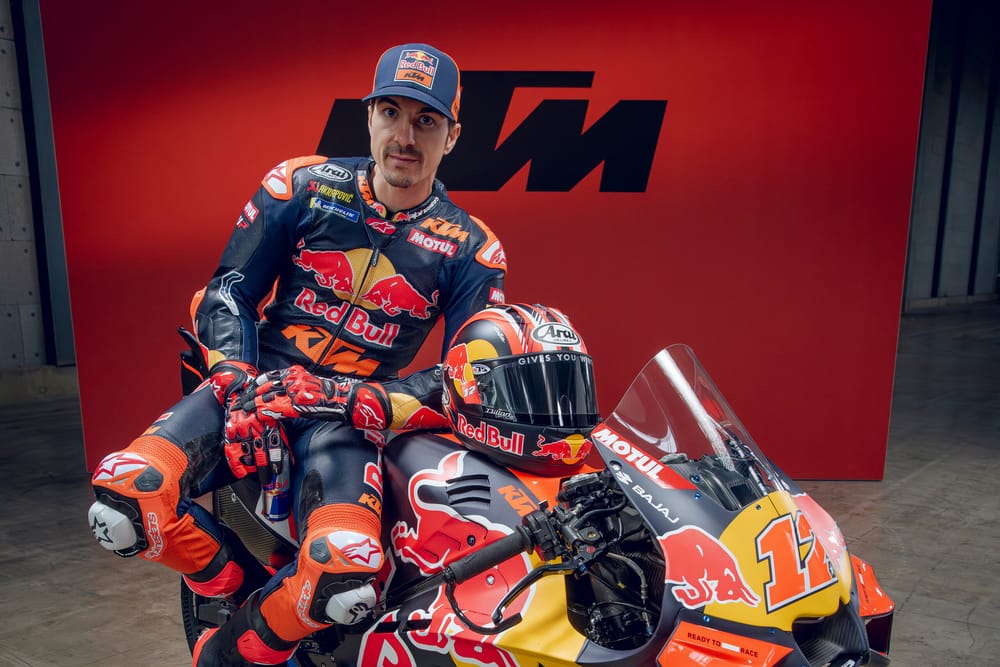
    Maverick Viñales announced at the KTM/Tech3 KTM 2026 launch that he has hired three-time champion Jorge Lorenzo as his performance coach. The formal partnership is formed to turn Viñales’s clear, raw pace into a sustained title challenge. Lorenzo’s remit covers technical areas such as throttle management, braking, race-specific preparation, and setting concrete, measurable goals; he is expected to join Viñales for testing and early races and has already been working closely with him since being brought in late in the previous season. Viñales said discussions about working together began after his double win at the 2024 Grand Prix of the Americas, though family timing delayed his ability to commit full-time. The hire represents a notable personnel change at Tech3 KTM and a pragmatic reconciliation between two former rivals who have moved from public barbs to a close, performance-focused working relationship.

    Viñales also confirmed he has recovered from the Sachsenring shoulder injury that disrupted his 2025 campaign and missed the second half of that season. He reports he has regained weight, up 13 pounds from a previous benchmark of 134 pounds. In addition, the Red Bull Athlete Performance Center has confirmed his power has returned, and he expects to be fully fit for the upcoming Sepang test. Winter work has targeted specific weaknesses. Lorenzo has pushed wet sessions and 600cc training to improve sliding technique and rear-tire use, while Viñales and his engineers have focused on reducing rear shaking and improving cornering. After the first test, Viñales received positive feedback from Pedro Acosta and plans to use the pre-season tests to provide development input and validate measurable progress.

    The partnership is presented as both an immediate performance aid and a potential stepping stone toward longer-term moves. Spanish outlet AS reported KTM is prioritizing Viñales as a possible factory signing for 2027 should Pedro Acosta leave. Viñales has emphasized that pure talent isn’t enough and that hard, structured work is required to become a reference point within KTM, with Lorenzo bringing a hands-on coaching approach to convert speed into race-winning consistency. All elements, including physical recovery, targeted technical work, hands-on coaching, and positive early test feedback, are being marshaled with the explicit aim of turning Viñales’s pace into sustained results for the 2026 season and beyond.

    More
  • MotoGP Confirms 2026 Test Slate with Pirelli Trials

    MotoGP Confirms 2026 Test Slate with Pirelli Trials

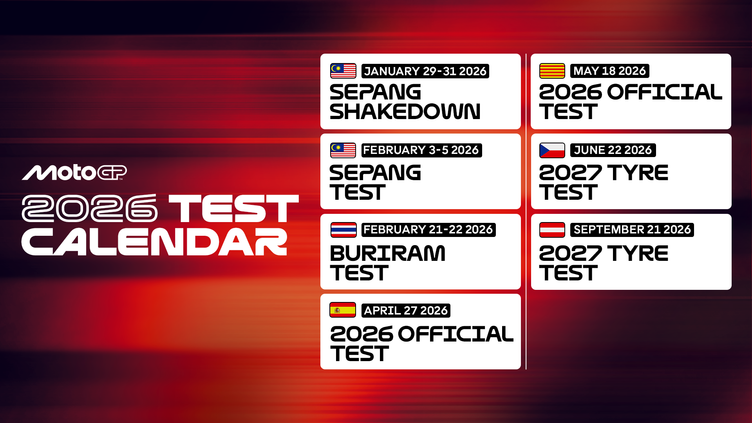
    MotoGP confirmed its full 2026 testing program, outlining preseason activity, four in-season test days, and the framework for introducing Pirelli as the series’ tire supplier in 2027.

    Preseason will begin with a Sepang shakedown (January 29–31), followed by the official Sepang test (February 3–5) and a Season Launch in Kuala Lumpur on February 7. Teams will then run a final two-day pre-race test at Buriram (February 21–22) before the opening round at the PT Grand Prix of Thailand (February 27–Mar 1).

    The calendar includes four in-season test days: two official post-race tests using current-season Michelin tyres. The first is scheduled for April 27 at Jerez (after the Spanish GP) and then May 18 at Barcelona (after the Catalan GP), which will also serve as the final official tests for the 1,000cc bikes. Two non-official tests will see Pirelli-run evaluations of the 2027 tire package on the Mondays after the Czech and Austrian GPs, on June 22 and September 21, respectively. The Pirelli sessions are non-official (no live timing) and are intended solely to assess the incoming supplier’s tire package.

    MotoGP noted Pirelli first ran MotoGP machinery in a private Misano test in 2025 and highlighted Pirelli’s wider motorsport role as a current F1 supplier and the sole WorldSBK supplier since 2004. The series also confirmed the 2027 preseason will begin on Tuesday after the Valencia GP (November 24), tying next year’s start directly to the 2026 finale.

    More
  • Red Bull's RB22 Sets Early Pace Amid Test Disruptions

    Red Bull’s RB22 Sets Early Pace Amid Test Disruptions

    Formula 1’s closed-door 2026 pre-season test got underway at Barcelona with seven of 11 teams running on Monday. Mercedes provided the first car on track when Kimi Antonelli rolled out shortly after 9 a.m. Isack Hadjar set the quickest unofficial lap of the day in the Red Bull RB22, with widely reported timing showing a 1:18.159, while George Russell ended the day around half a second back. Red Bull ran its new RB22, debuting its bespoke power unit developed with Ford. Teams used the session mainly to gather mileage and debug systems rather than make definitive performance comparisons. The day featured multiple stoppages, including a sensor-related red flag for Alpine and a separate Audi stoppage. Several entrants, including Audi and Cadillac, had limited running while Haas and others piled up laps.

    On Tuesday morning, limited running was compounded by mixed weather and another red flag when Max Verstappen briefly beached the RB22 at Turn 5 after taking over from Hadjar, prompting a stoppage before the car was recovered. Rain curtailed programs across the paddock, with Mercedes, Alpine, Audi, and Cadillac canceling their morning runs and Haas sitting out to analyze data from day one. Only Red Bull and Ferrari logged laps during the wet first half of the second day, while Aston Martin confirmed it would not run until later in the week. Teams are allowed to use any three of the five test days, so the disrupted sessions shifted many squads’ plans for system checks, aerodynamic evaluations, and tire work.

    Mileage figures underlined the differing priorities. Esteban Ocon completed a session-leading 154 laps for Haas, and several teams reported curtailed programs owing to reliability or set-up work, most notably Cadillac and Audi. The private nature of the shakedown, removal of unofficial timing streams, and the succession of red flags and weather interruptions mean early lap times should be treated as provisional rather than conclusive. Still, Red Bull’s early pace and the RB22’s consistent running provided an encouraging first read for the defending constructors. The coming days in Barcelona will be crucial for teams that have yet to complete meaningful mileage. Overall, the Catalunya shakedown delivered a mix of useful data gathering and interrupted running as teams began to evaluate their new cars and power units under the 2026 regulations.

    More