




Mercedes Pulls Serrated Diffuser Profiles After FIA Guidance in Austria
NXTbets Pro | Published On: June 26, 2026
Mercedes diffuser changes
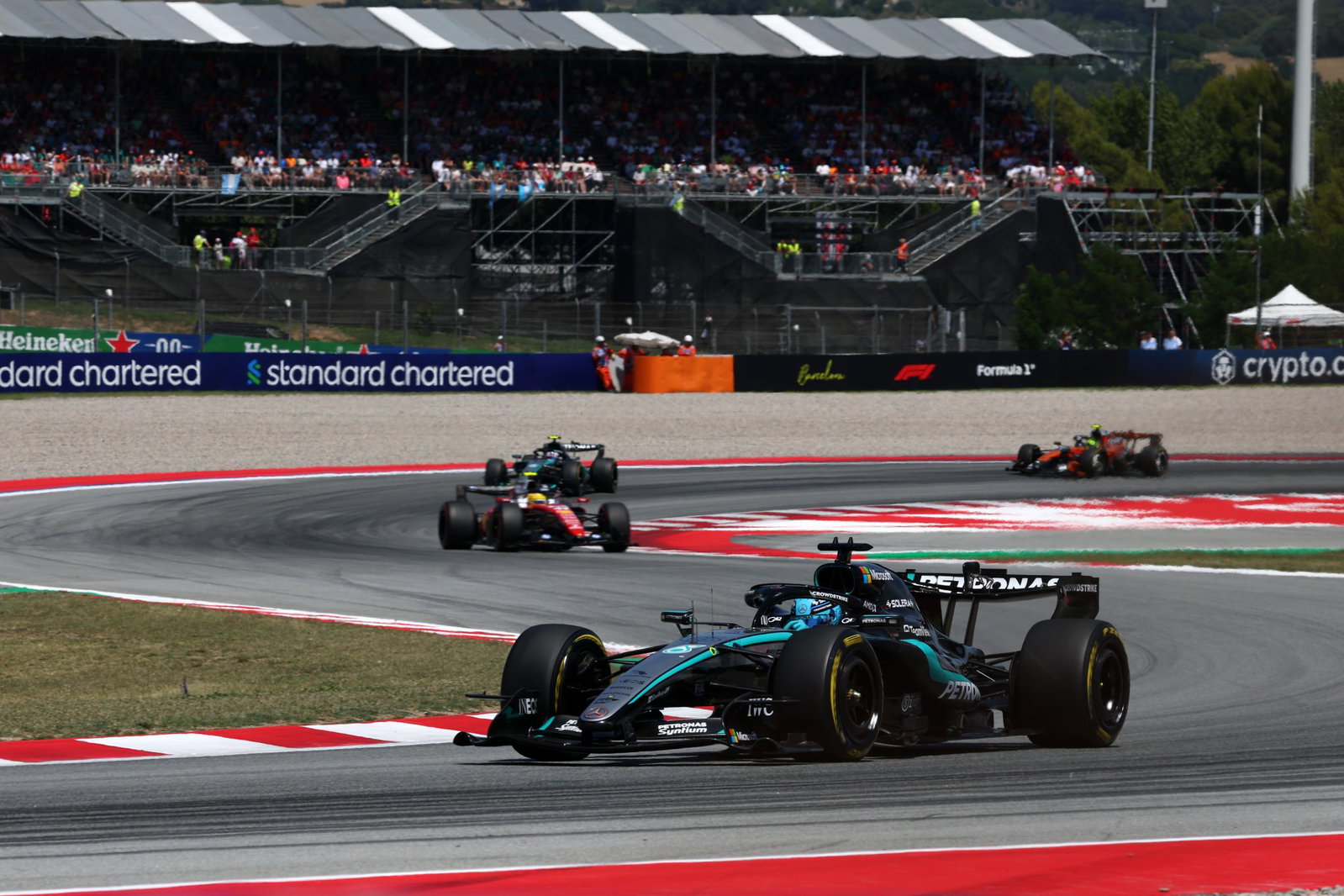
Mercedes stripped the spike-like profiles from its diffuser at the Red Bull Ring after the FIA’s updated guidance took effect for the Austrian Grand Prix weekend. The change marked the clearest move yet in a technical dispute that started with the team’s diffuser extension design, which first appeared in Montreal as part of a major upgrade package. The part drew attention because it used serrated, spike-like profiles along more than half of the upper section to extend the diffuser’s aerodynamic effect. Mercedes revised the component and removed the most aggressive elements, although images from Austria still showed some diffuser extensions in place. The team said the revised part delivered only a minor performance gain. It also said the controversy around the diffuser had been exaggerated. That stance kept the issue in the realm of interpretation and regulation, not a confirmed rules breach. The result was a visible reset on the car, but not a full retreat from the concept Mercedes brought to the track in Canada.
FIA guidance closes in
The FIA stepped in after Ferrari and other teams raised the legality issue. Ferrari framed its request as a clarification, not a cheating accusation, and the governing body reviewed the Mercedes design after the Barcelona Grand Prix. That review produced clarifying guidance aimed at closing off more aggressive interpretations of the regulations. The updated position took effect in Austria and forced Mercedes to adapt. Racing Bulls also had to alter its diffuser extensions, which showed the issue reached beyond a single car and touched a wider technical gray area in the pit lane. Mercedes reportedly tried to persuade the FIA to delay any ban until after Silverstone, but the new guidance stood for the weekend at the Red Bull Ring. The dispute remained unresolved, and the facts point to a regulatory and technical fight rather than a clean verdict against one team. That matters because the disagreement centered on how far the upper section of the diffuser could be shaped to extend aerodynamic effect, not on an obvious breach of a black-and-white rule. The FIA’s move narrowed the room teams had been using and left Mercedes with a revised part, a smaller gain and a more limited interpretation of the concept it had introduced weeks earlier.
Championship picture holds
Mercedes still led both championships at the time of the report, which gave the issue extra weight even as the team trimmed back the controversial details on the car. Andrea Kimi Antonelli led the drivers’ standings, and Mercedes sat ahead of Ferrari in the constructors’ championship. That place in the table meant the diffuser story landed at a moment when the team already had momentum and every technical update drew scrutiny from rivals. The FIA’s guidance did not rewrite the championship race, but it did force Mercedes to manage a high-profile car development under the eyes of its nearest competitors. Ferrari’s challenge brought the design into the open, and the follow-up from the FIA shaped the next step. Mercedes answered by revising the diffuser rather than standing pat, a practical response that kept the car in compliance with the updated interpretation. The team’s claim that the performance effect was only minor also softened the edge of the debate. Even so, the episode showed how quickly a successful upgrade can become a regulatory test when the leading cars push close to the limit. Mercedes kept its position on the table. It also kept the argument alive, with the car changes, the FIA guidance and the rival objections all pointing to a familiar Formula One pattern, where gains on track can trigger pushback in the paddock just as fast as they arrive.