




NASCAR Cup Series returns to Chicagoland for July 4 weekend
NXTbets Pro | Published On: July 19, 2026
Chicagoland weekend returns
NASCAR’s Cup Series is back at Chicagoland Speedway in Joliet, Illinois, and the return gives the 1.5-mile oval its first Cup race since 2019. The eero 400 anchors a full holiday-weekend slate that also features the NASCAR O’Reilly Auto Parts Series and ARCA Menards Series, giving the track a packed program after a long absence from the Cup schedule. Cup Series practice and qualifying are on the card before the race, and the field is loaded with 39 cars. That size matters at Chicagoland, where more than half the entered drivers have little or no recent Cup history at the track. Eighteen of the entered Cup drivers have never started a Cup race there, and only 18 of the 38 drivers from the 2019 event are back in this year’s field. The turnover sets up a weekend where track knowledge carries weight, but fresh faces will also have a chance to adapt quickly if they find speed in a hurry. Denny Hamlin earned the pole with a 30.296-second lap, a strong early marker for a race that brings NASCAR back to a venue many teams have not seen in years. Alex Bowman was the last Cup winner at Chicagoland, and his 2019 victory stands as the most recent benchmark for the field as the series returns to the Illinois oval.
Chicagoland track wear
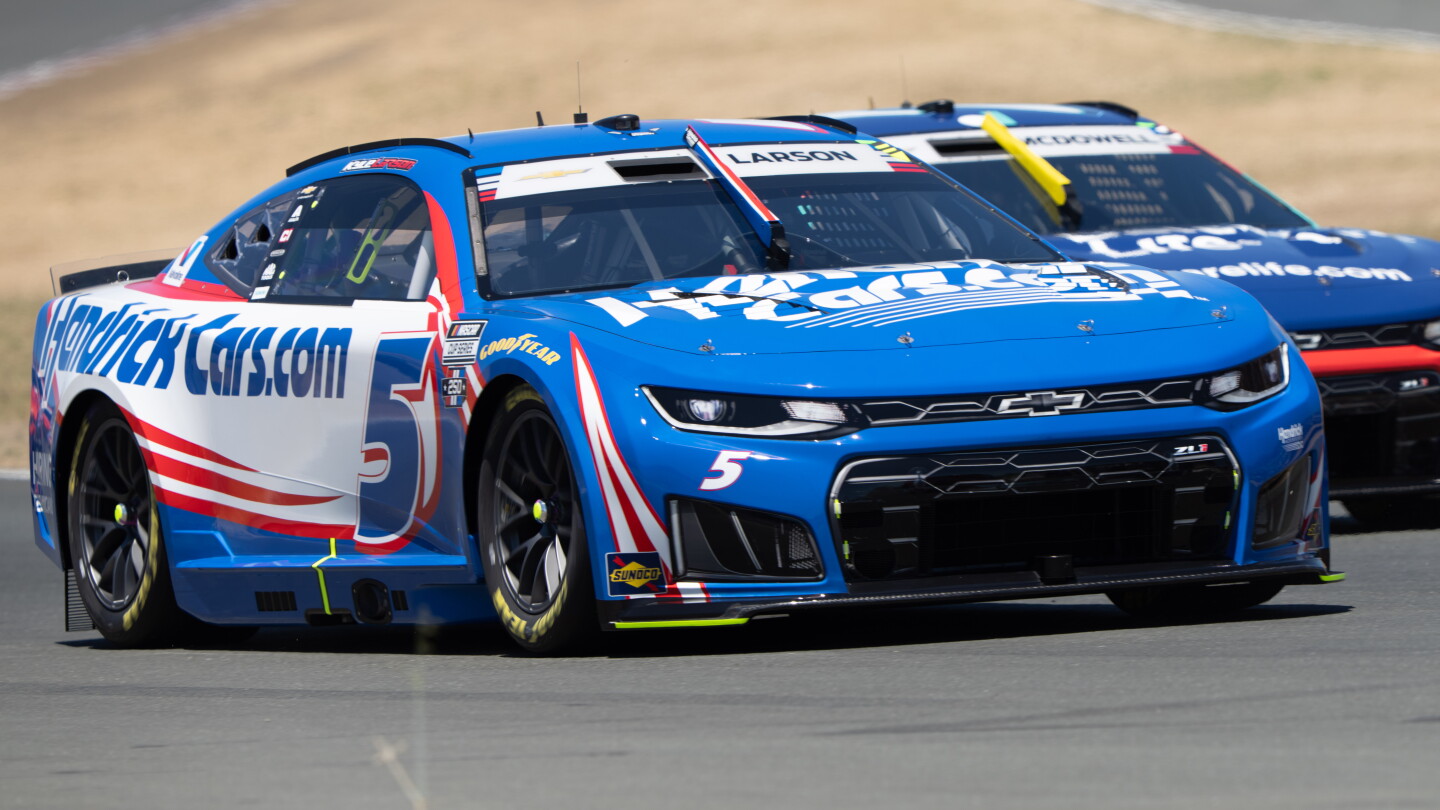
Chicagoland’s resurfaced, rough surface pushes tire wear and track position into the spotlight, and that shape of the race should reward drivers who manage long runs and protect their tires. Limited recent track data adds another layer of uncertainty. Teams will lean on notebook work from other 1.5-mile tracks, but Chicagoland still asks for a specific balance between speed and durability. That makes the opening laps and the pit cycle important, because clean air can carry more value when the surface starts to age. Kyle Larson brings the strongest recent profile to the track among the drivers with multiple starts there. He has four top-five finishes in six Cup starts at Chicagoland and owns the best average finish in that group at 6.17. He also finished second in the last two Cup races at the track and arrives trying to end a 42-race winless streak. That mix of track history and recent frustration keeps him near the top of the conversation. Denny Hamlin and Tyler Reddick also sit among the top contenders and fantasy options. Alex Bowman and Brad Keselowski are sleeper picks, a sign that the field includes drivers who can work their way forward if the race turns into a test of patience and tire management. Joey Logano and Carson Hocevar were listed as drivers to avoid in fantasy play, which reflects how unforgiving Chicagoland can be when track position slips away.
In-Season Challenge matchup
Chicagoland also serves as Round 2 of the NASCAR In-Season Challenge, and the bracket adds another layer of pressure to a weekend already shaped by limited track history and a crowded field. Kyle Larson faces William Byron, and Denny Hamlin draws Erik Jones in the second-round matchups. Those pairings raise the stakes for every stage of the race, because advancement in the challenge can hinge on clean runs, pit execution and how well each driver handles the rough surface as the laps build. The challenge brings extra attention to the same drivers who already sit near the center of the weekend story. Hamlin has the pole and the confidence that comes with it. Larson has the best Chicagoland record among the multiple starters and the kind of pace that can turn a bracket race quickly. Byron and Jones enter with their own paths to the next round, and the head-to-head format gives each position on track added value. That fits Chicagoland, where a small mistake can shuffle a driver into traffic and change the outcome of a matchup. The broader weekend card gives the Cup race more context too, with series action across NASCAR’s top three levels, but the In-Season Challenge makes the Cup field feel even tighter. Every pass matters. Every stop matters. At a track where the surface demands attention and the recent data set is thin, the challenge bracket only sharpens the focus on who can adapt fastest and hold position when the race settles into its long middle stage.