




Hamilton, Sainz slam F1's 2026 rules after Spa qualifying
NXTbets Pro | Published On: July 19, 2026
Hamilton questions 2026
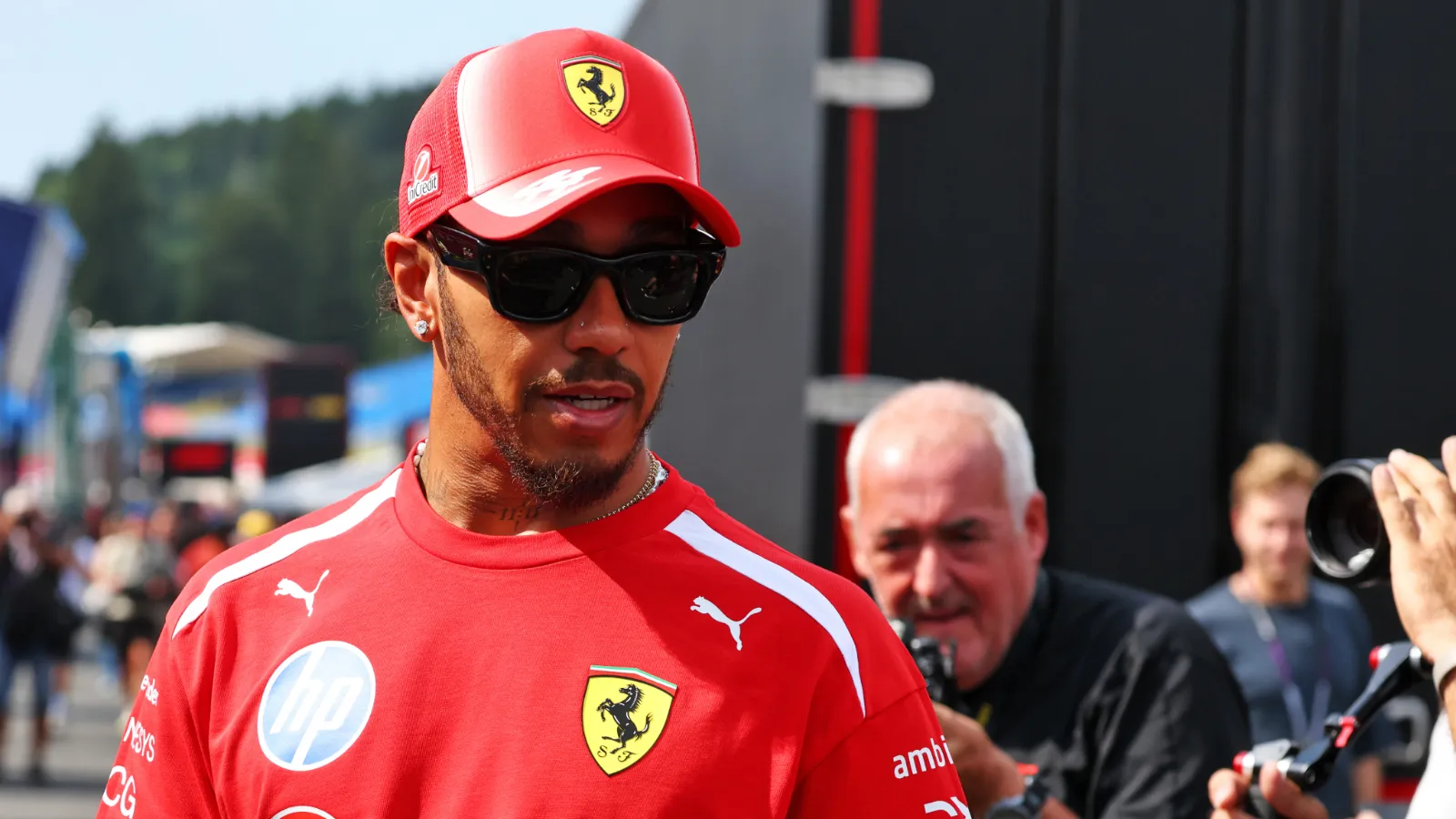
Lewis Hamilton criticized Formula 1’s 2026 regulations after qualifying at Spa-Francorchamps for the Belgian Grand Prix, and he did not soften the message. He said the new cars feel good through corners but fall short in a straight line, a problem that matters more at a circuit like Spa than almost anywhere else. Hamilton said the lack of straight-line performance had taken the fun out of qualifying. He also questioned how the current rule set got approved after simulations had already been run. The tone from Hamilton was clear. He saw the issue as more than a one-off complaint about balance or setup. He treated it as a design problem built into the package before the cars even hit the track.
Sainz details Spa
Carlos Sainz backed up Hamilton’s criticism and went straight at the rule set after qualifying. He said the changes “should have never happened” and called them “not good enough.” Sainz said no one is enjoying qualifying as much as they did last year, and he said the current cars have lost “quite a bit” around Spa. His focus stayed on speed loss and energy limits, two things that hit hard on a circuit built around long straights and fast direction changes. He pointed to losses at Blanchimont and through Pouhon, where carrying speed matters and energy management can decide how much pace a driver keeps alive for the next straight. Sainz also said the first lap would be “tricky and sketchy” with active aerodynamics and close-quarters running up Eau Rouge and the Kemmel Straight. Hamilton agreed with that view and said the problems were clear “straight away.” The two drivers left little room for doubt. They saw a rule set that rewards compromise in corners but punishes drivers once the cars are asked to stretch their legs.
Energy limits reshape
The qualifying picture at Spa showed how hard the new package can bite when battery deployment runs tight. Battery deployment is capped at seven megajoules during qualifying, and drivers reportedly lost about 50 km/h in the final sector when the battery ran out. That kind of drop changes the shape of a lap. It strips away momentum late in the run and leaves drivers fighting to recover speed where they should be building it. Sainz said the current cars were losing too much speed because of energy-management limits, and the results backed up that complaint. He qualified 15th in his Williams, while teammate Alex Albon ended up 17th after missing out on Q2. Hamilton also qualified poorly at Spa and was set to start from the third row. The broader concern reaches beyond those two cars. Machines with poor energy retention, such as Aston Martin, could risk falling under the 107 percent rule on high-speed circuits. That puts the debate beyond driver comfort or one qualifying session. It raises a bigger question about whether the 2026 rules will produce the kind of speed profile Formula 1 wants on fast tracks like Spa, or force teams and drivers to spend more time managing energy than attacking the lap.