




Moto3 to become Yamaha one-make series in 2028 supplier deal
NXTbets Pro | Published On: June 26, 2026
Yamaha Moto3 deal
Yamaha will become the exclusive motorcycle supplier for the FIM Moto3 World Championship starting in 2028, a move that will turn the class into a one-make series through 2033. The announcement came at the Dutch Grand Prix in Assen and marks a major shift for one of Grand Prix racing’s entry-level categories. Moto3 now uses a multi-manufacturer field built around 250cc four-stroke prototype machinery from Honda and KTM. Under the new plan, Yamaha will supply every bike on the grid. That changes the competitive structure of the class and ends the current split between manufacturers. It also gives Moto3 a single technical direction for a six-season run, with the category set to move away from the mixed-engine landscape it has used in recent years. Yamaha and MotoGP presented the deal as a long-term reset for the class, with the manufacturer taking over exclusive supply duties at the start of the 2028 campaign and remaining in place through 2033. The move puts Yamaha at the center of Moto3’s next era and gives the series a uniform platform for teams, riders and technical officials. It also creates a clear line from the present system to the new one-make format, with the change anchored in a single supplier and a single motorcycle concept.
Moto3 prototype plan
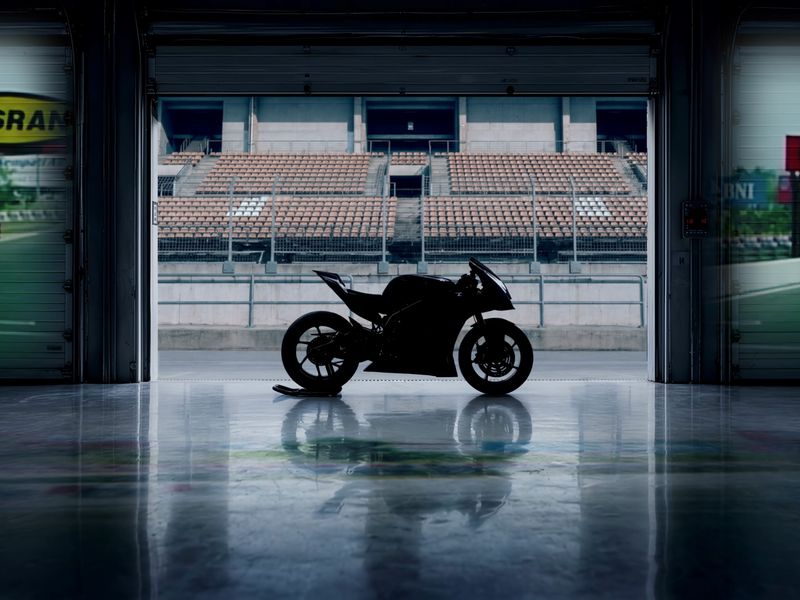
The new Moto3 bike will be a Yamaha racing prototype built from the CP2 production platform and reworked for Grand Prix competition. It will use a full-size chassis, a change that gives the class a different technical footprint from the current machinery. The expected bike is projected to make about 90 horsepower and weigh 120 kilograms. That combination gives Yamaha and MotoGP a baseline for a lighter, more controlled machine that still keeps the category close to top-level road racing demands. Prototype testing is planned for later in 2026, with a formal unveiling scheduled for 2027. Those steps set the development path for the bike before it reaches the grid in 2028. The junior pathway will also change. From 2029, the FIM Moto3 Junior World Championship is expected to use a lower-spec version of the same Yamaha machine. That links the world championship and its junior series with a common technical line and gives young riders a more direct route into the top class. The plan places the Yamaha prototype at the center of both championships, with the junior version acting as a step down from the full Moto3 specification. Yamaha’s role will stretch beyond supply. It will shape the bike that defines the class and the feeder series that sits beneath it.
Moto3 cost goals
MotoGP chief sporting officer Carlos Ezpeleta said the new formula is designed to improve safety, create more equality in competition and raise racing quality. He also said the change should reduce the performance gap to Moto2 and protect Moto3’s standing as a world championship. That balance sits at the heart of the project. The series is targeting a substantial cost reduction, with expenses expected to fall to roughly half of current levels. For teams and riders, that points to a more accessible entry point without stripping away the technical challenge that has long defined the category. Yamaha and MotoGP said the arrangement is aimed at improving accessibility and rider development while preserving sporting integrity and technical excellence. Those goals line up with the class’s role in Grand Prix racing. Moto3 has served as a proving ground for young riders, and the new single-supplier format is meant to keep that function intact while making the package cheaper and more uniform. The switch also signals a cleaner technical ladder from junior competition to the world championship. With one motorcycle concept across the top and lower tiers, the series is betting on consistency, lower costs and tighter racing. The result is a new direction for Moto3, built around a single supplier, a single prototype and a clear development path for the riders who move through it.