NXTbets Inc

  • Russell converts pole; Mercedes pull clear in Australia

    Russell converts pole; Mercedes pull clear in Australia

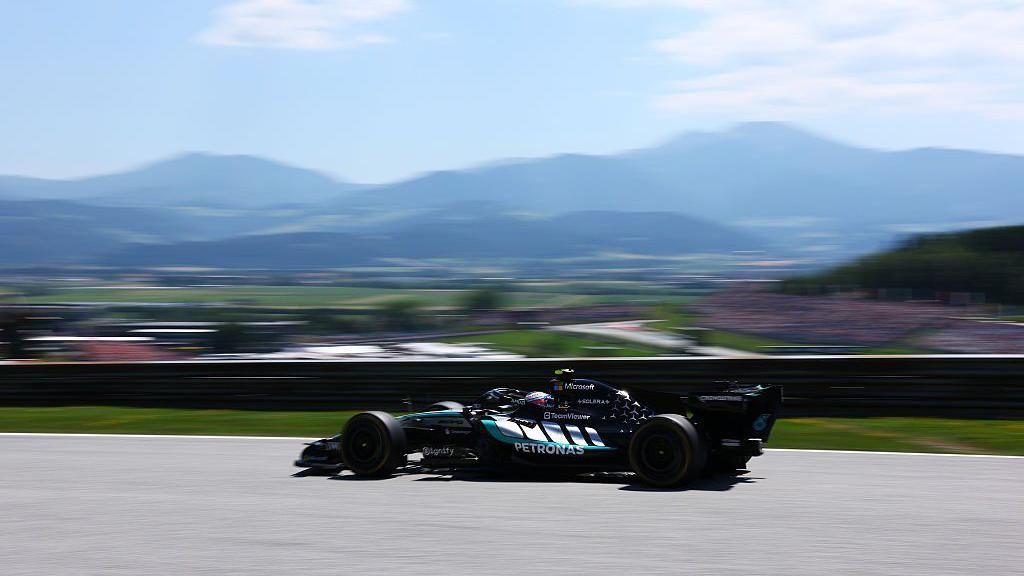
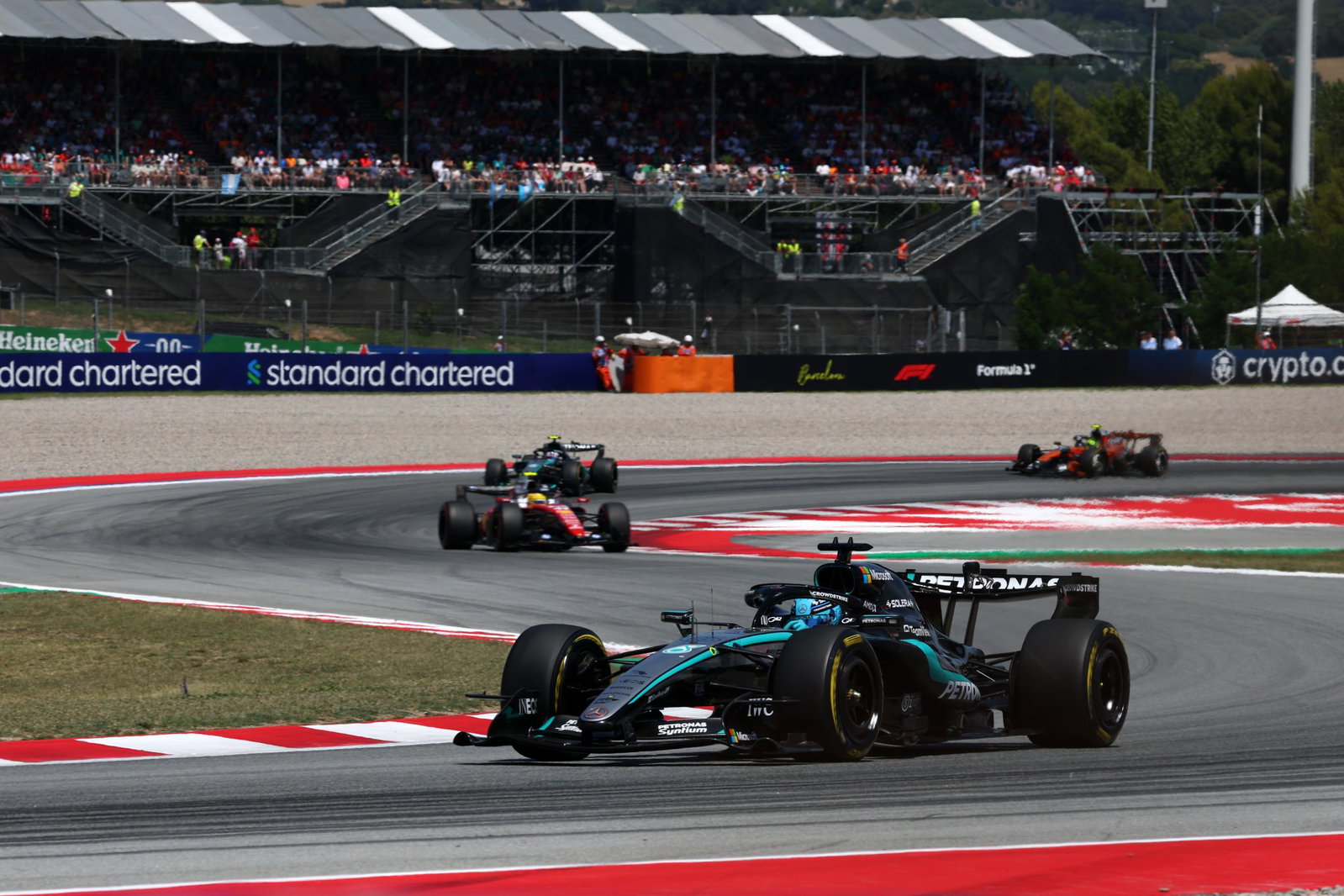
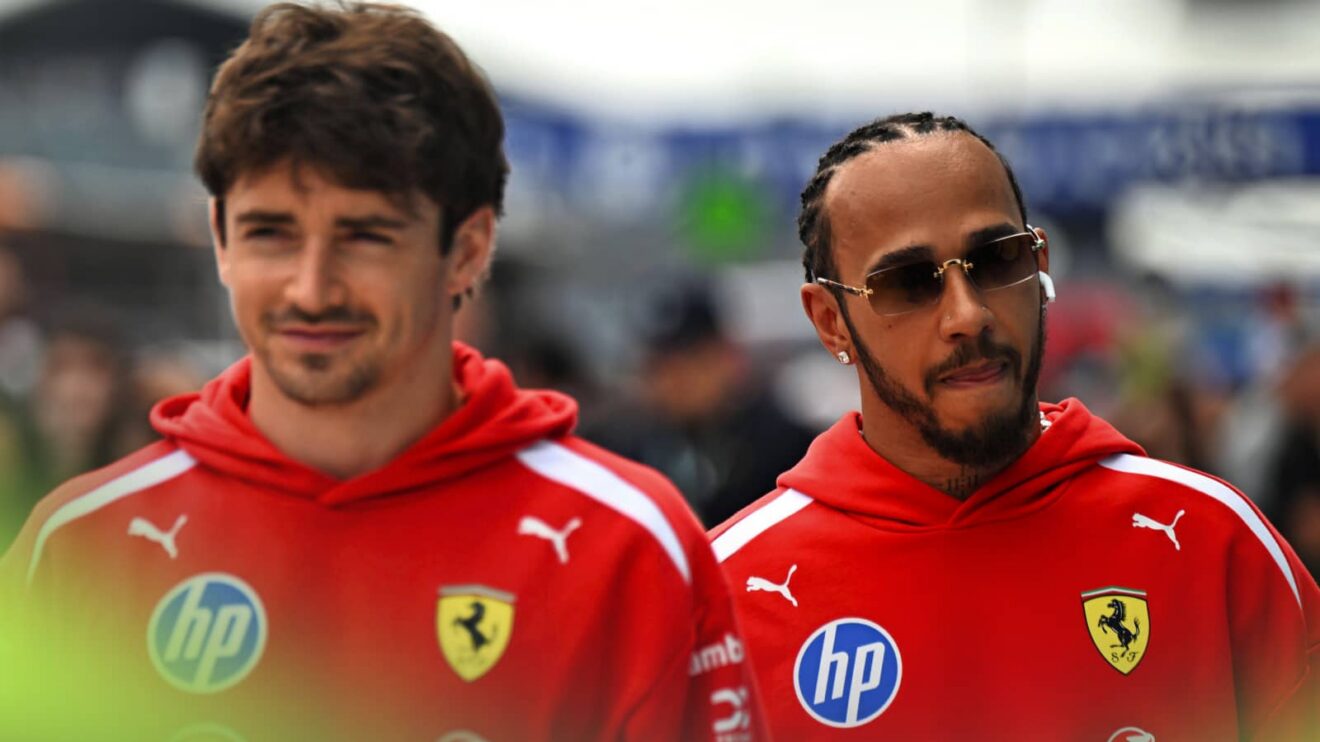
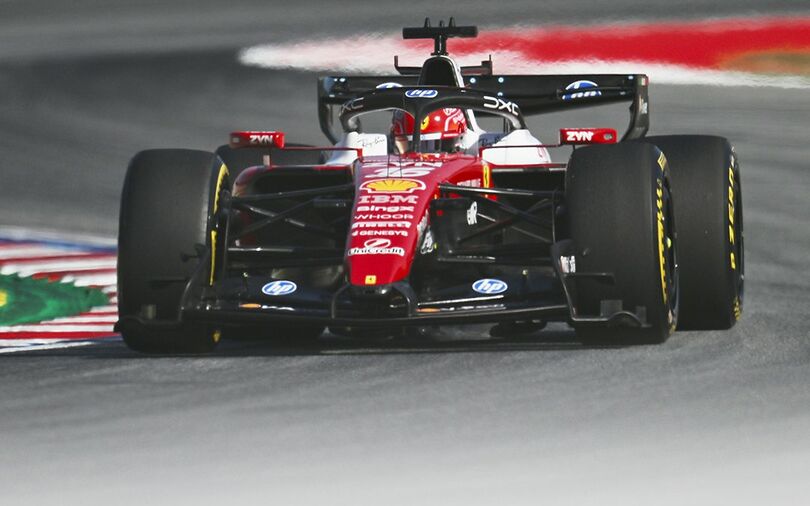
    George Russell converted pole into victory at the season-opening Australian Grand Prix at Albert Park as Mercedes’ superior race pace and clean energy management allowed the team to pull clear. Mercedes executed pit calls and fresher rubber to secure a one-two, with teammate Kimi Antonelli second, while Charles Leclerc finished third and Lewis Hamilton fourth.

    The result was decided in part by a Virtual Safety Car (VSC) strategy error by Ferrari. The VSC was brought out when Isack Hadjar’s stricken car forced retirement, and Mercedes double‑stacked to pit both cars; Ferrari elected to stay out and later missed a second VSC opportunity when Valtteri Bottas stopped near the pit entry and the lane was closed on lap 19. Ferrari’s decision to keep Charles Leclerc and Lewis Hamilton out during the early VSC left them on older tyres, and Lewis Hamilton said the call cost him a likely podium. The sequence of VSC-related decisions was widely criticized; Ferrari team principal Fred Vasseur defended the strategy and said he had “no regrets,” insisting the underlying shortfall was outright pace rather than tactics.

    The result underlined how large Mercedes’ advantage appeared across the weekend: Russell had been almost eight-tenths quicker in qualifying, and Leclerc said he was shocked by Mercedes’ FP3 and qualifying data and conceded the Silver Arrows had “a bit more pace” on race day. Ferrari’s weekend had also been hampered by energy-deployment issues in Q2 that left their cars unoptimized for Q3, while teams noted that battery state, energy management and revised engine modes played a major role in the chaotic opening laps under the new regulations. Attention now turns to the Chinese Grand Prix next weekend as Ferrari looks to regroup.

    More
  • Piastri crashes on recon lap, withdraws from Australian GP

    Piastri crashes on recon lap, withdraws from Australian GP

    Oscar Piastri crashed on the pre-race reconnaissance (out) lap at Albert Park and was forced to withdraw from the Australian Grand Prix a little over half an hour before the scheduled start. The McLaren driver — the only Australian in the 22-car field and due to start fifth in what would have been his fourth home appearance — did not take the race start after the incident removed a home favorite from the grid.

    Reports said Piastri lost control at Turn 4, spun and struck the inside wall before the car came to a stop; one account said he impacted the barriers at Turn 5. Lando Norris’s race engineer, Will Joseph, suggested Piastri had lost control on the exit curb at Turn 4 while shifting, identifying the curb as a likely trigger. The collision caused substantial damage to the right side of the McLaren; Piastri exited the car unassisted, was seen with his head in his hands and subsequently reported that he was okay. Early reports had not confirmed the exact cause, the extent of injuries, or a full damage assessment.

    McLaren CEO Zak Brown said there was “nothing obvious in the team data or on the radio so far” and that the team would conduct a post-mortem after the race, calling the outcome disappointing for Piastri. The incident represented an unexpected pre-race retirement and a significant setback for McLaren at the season opener; it was also the second consecutive year a driver failed to start the Melbourne opener following a pre-race crash.

    More
  • Cadillac reliability faults limit running at Australian GP

    Cadillac reliability faults limit running at Australian GP

    Cadillac’s debut weekend at the Australian Grand Prix was dominated by reliability problems and limited running as the Ferrari‑powered entry, run by TWG Motorsports in partnership with General Motors, concentrated on fixes and development. The weekend marked the one‑year anniversary of Cadillac’s approval as F1’s 11th team and included its first qualifying session, but the team acknowledged an overall lack of outright performance.

    Engineering troubles left the team short of meaningful data: Sergio Pérez was limited to 14 laps in FP1 and finished near the back of the session, failed to post a time in FP2 after stopping on track, and Valtteri Bottas recorded P17 and P19 in practice. Team reports cited a fuel‑system problem at the end of FP1 that required removing the battery and an unrelated hydraulic leak that caused the FP2 stoppage.

    Both drivers were eliminated in the opening qualifying round (Q1) and are set to start the season opener 18th (Pérez) and 19th (Bottas) on the grid. Pérez said he got the “maximum” out of his first qualifying with Cadillac, described the day as “a really special day,” and said he was still “trying to understand” the new 2026 regulations. Bottas called getting through qualifying an achievement despite a red‑flag interruption; team principal Graeme Lowdon said the red flag disrupted their planned three runs and that Bottas lost significant time on the back straight.

    Cadillac acknowledged the expected early struggles of a program built from scratch and said development is a work in progress. Drivers and engineers urged a “clean‑up” of recurring small issues that began in Barcelona and continued into the race weekend; Pérez said there were “too many issues” and urged more laps to fix the problems costing track time. Engineering consultant Pat Symonds described it as “a challenging day,” noted the two faults were unrelated, and said first running both cars together compounded setup and reliability checks. The team said its immediate priorities are operational learning, targeted upgrades and strategic adjustments, with car updates planned for the race as it focuses on enabling proper setup and evaluation for the season ahead.

    More
  • Mercedes fined €7,500 over Antonelli fan release

    Mercedes fined €7,500 over Antonelli fan release

    Mercedes was found to have committed an unsafe pit‑lane release in Q3 at the Australian Grand Prix after Andrea Kimi Antonelli was released with cooling fans still attached to his sidepods. Two cooling fans detached after the release — one flying into the Turn 1 braking zone and the other coming off near Turn 3 and being destroyed after Lando Norris ran over it — and debris from the detached fans prompted a roughly 10‑minute red flag while marshals cleared the track. The detached fans damaged Norris’s front wing and interrupted running, but qualifying was able to resume with about 10 minutes remaining.

    The FIA summoned Mercedes to answer an alleged breach of Article B1.6.2 b) i) and the stewards ultimately fined the team €7,500, applying a monetary sanction rather than a grid penalty. Stewards also reviewed a separate matter in qualifying when a Mercedes team member briefly pushed Antonelli’s car away from the fast‑lane white line during a red flag; they judged that touch did not constitute prohibited “work” under Article B1.6.1e and imposed no penalty, describing the action as appropriate to prevent hindering other drivers.

    The incident followed a heavy FP3 crash for Antonelli that left his car effectively totaled and required an extensive rebuild before qualifying; Mercedes said the crew member usually responsible for removing the cooling fans had been occupied because of that rebuild, a factor the team cited as contributing to the unsafe release. Despite the disruption and the stewards’ probes, Mercedes secured a front‑row lockout in qualifying with George Russell on pole (1:18.518) and Antonelli second (1:18.811), 0.293 seconds behind; the stewards’ findings highlighted pit‑lane safety procedures and the operational strain on teams during quick rebuilds between sessions.

    More
  • Russell takes pole; Mercedes lock front row at Albert Park

    Russell takes pole; Mercedes lock front row at Albert Park

    George Russell and Mercedes topped qualifying at the Australian Grand Prix at Albert Park, with Russell taking pole on a 1:18.518 lap and teammate Kimi Antonelli completing a Mercedes front row roughly three‑tenths back with a 1:18.811. Russell led every phase of qualifying and set the first 1:18 of the weekend in Q2, underlining Mercedes’ one‑lap pace; Isack Hadjar put a Red Bull third (1:19.303), with Charles Leclerc fourth, Oscar Piastri fifth and Lando Norris sixth.

    Q1 was dramatic: Max Verstappen spun under braking for Turn 1, locked the rear and struck the barriers on his first flying lap, recording no time and exiting qualifying; he was classified 20th. Verstappen’s crash produced a Q1 red flag and was one of several high‑profile casualties: Fernando Alonso, Sergio Pérez and Nico Hülkenberg all failed to reach the top 10, while Carlos Sainz and Lance Stroll set no times and were classified at the back of the order.

    Mercedes’ strong result followed a frantic build‑up — Antonelli had suffered a heavy FP3 crash and his team rebuilt the car in time for him to return and claim second. Q3 itself was interrupted when cooling fans detached from Antonelli’s car and debris was left on track; one fan was subsequently run over by Lando Norris and Antonelli was placed under investigation for an unsafe release. Gabriel Bortoleto was also prevented from taking part in Q3 by a technical issue, leaving only nine cars to contest the final phase and highlighting the volatility and technical dramas that reshaped the grid ahead of the race.

    More
  • FIA Removes Straight Mode Zone at Albert Park

    FIA Removes Straight Mode Zone at Albert Park

    The FIA removed a Straight Mode activation zone in the high-speed lakeside middle sector at Albert Park for the remainder of the Australian Grand Prix weekend after drivers raised safety concerns that low downforce in traffic could cause loss of control, including front- and rear-end sliding. Sources variously described the deleted zone as covering Turns 6–9, 7–9 or the esses at 8–9; teams were informed of the change at 9:45 a.m. on Saturday, just over two hours before FP3. FIA single-seaters head Nikolas Tombazis said the Straight Mode had been an “aggressive” choice and emphasized “safety is number one,” while officials called the full removal a blunt or “draconian” but provisional, safety-driven measure.

    The FIA said overnight simulations and analysis of data from all 11 teams — which showed seven teams had less front-axle downforce than expected — supported the decision, and it noted it may seek other interventions such as imposing minimum downforce levels pending further data. Officials said they considered shortening the zone but judged that option too risky and described the removal as a blunt, all-car solution because the Straight Mode effect varied between car designs; they plan to analyze more data after the first two races to find less blunt options.

    The late change forces technical and strategic revisions: cars will now carry Corner Mode wings through the former Straight Mode sector, increasing aerodynamic drag and forcing teams to rework aerodynamic setups, ride heights and tire plans on short notice. Reduced entry speeds into Turn 9 will shorten braking zones and cut opportunities to recharge batteries, meaning energy-recovery and battery-deployment strategies must be revised; officials warned energy recovery through the sector will be harder and the change will reshape race and qualifying strategy under the new rules. The intervention comes at the first event run under the 2026 technical regulations, which replace DRS with a five-zone active-aero Straight Mode system that opens bodywork on long acceleration stretches to reduce drag and automatically closes for corners; the 2026 rules also removed the MGU-H, introduced an Overtake Mode battery boost and added a five-second pre-start turbo build-up delay. Early running at Albert Park showed several manufacturers demonstrating promise while others faced problems, underscoring that the Straight Mode removal will have immediate implications for teams adapting setups, energy management and strategy across the rest of the weekend.

    More
  • RB22 lockup sends Verstappen to back of grid

    RB22 lockup sends Verstappen to back of grid

    Max Verstappen’s Friday troubles at the Australian Grand Prix left Red Bull scrambling to repair an RB22 that sustained floor and underside damage. During FP2 Verstappen ran wide at Turn 10, went onto grass and gravel and shed pieces of the car’s floor and bodywork before keeping the car pointing and completing another lap to return to the pits; he completed just 13 laps in the session and ended the day sixth overall. Red Bull engineering chief Paul Monaghan described the damage as “enough to keep us busy” but recoverable, and praised the new Ford-backed power unit as “brand spanking new” and notably reliable.

    The on-track damage compounded earlier performance issues. Verstappen’s FP2 running had been compromised by an electronic control-box problem that kept him off track for the first 25 minutes, and he posted the sixth-fastest time, about 0.637 seconds behind FP2 leader Oscar Piastri and roughly six-tenths adrift of the quickest cars overall. Sky Sports analyst Anthony Davidson suggested the Turn 9/10 off was a momentary lapse as drivers adjust to roughly 30% less downforce under the 2026 rules; Verstappen said the rule changes were complex and that fans need a “degree” to understand them. Team mate Isack Hadjar and Red Bull engineers also reported deployment and consistency questions and cautioned it was too early to judge the pecking order.

    The situation worsened in qualifying when Verstappen lost control of the RB22’s rear while braking into Turn 1 and suffered a Q1 collision that brought out red flags. He reported a locked rear axle, climbed from the car largely unhurt and had not set a timed lap before the stoppage; he is set to start at the rear of the field. That result deprived Red Bull of further track time to inspect and prepare the repaired RB22 and will shape the team’s preparations for the race.

    More
  • FIA narrows automatic penalties, widens steward discretion

    FIA narrows automatic penalties, widens steward discretion

    The FIA published updated driving-standards and penalty guidelines ahead of the 2026 Formula 1 season, presenting the document as guidance to inform stewards rather than as formal changes to the sporting regulations. The revisions build on a 2025 review and follow a meeting with teams and drivers in Qatar, seeking to inject more flexibility and “common sense” into stewarding by narrowing automatic penalty‑point triggers to truly dangerous, reckless or apparently deliberate actions and by giving stewards broader discretion to judge incidents in context.

    The guidance makes clear that minimal contact described as a touch or “kiss” may attract no penalty, while for especially severe or “very extreme” deliberate or reckless collisions stewards may now impose the harshest sanctions, including disqualification or a suspension from the next race. Existing tools such as the 10-second stop-and-go penalty and the four penalty-point threshold remain available, though no driver received that specific sanction during the 2025 season. The document also sets measurable overtaking and track-limit criteria: inside moves should have the overtaking car’s front axle at least alongside the other car’s mirror prior to and at the apex, outside moves should have the overtaker’s front axle ahead at the apex, and moves must be driven in a controlled way within track limits.

    Chicanes and S‑bends are to be judged element-by-element, white lines count as track while curbs do not, and qualifying and Sprint laps that gain a benefit will be deleted with a “three strikes” approach applied in Sprint and Race sessions subject to stated exceptions. Rules on defending after leaving the track were tightened so that a car that cuts a chicane or leaves the track and then rejoins in the same position will generally be considered to have gained a lasting advantage and should concede the place, with final decisions remaining at stewards’ discretion. The guidance also clarifies investigatory standards—lock-ups will not automatically be treated as loss of control, temporary loss of control may stem from avoidance or physics, and apex lines can legitimately vary between drivers and attempts—while yellow-flag enforcement was given rough benchmarks (about 5% slower for single waved yellows and ~15% for double waved yellows). Stewards will factor tire condition, fuel load, energy deployment and track and environmental conditions when judging compliance.

    The changes were prompted in part by controversial 2025 stewarding decisions, notably the Brazilian Grand Prix where Oscar Piastri received a 10-second penalty and two penalty points for a Turn 1 collision that drew criticism from Carlos Sainz, and the package includes caveats and explicit overtaking criteria intended to reduce automatic penalties and make stewarding more consistent and context-sensitive going into 2026. Notable 2025 examples cited in the update include Max Verstappen, who was the only driver to receive as many as three penalty points for contact in 2025 and who served a 10-second penalty at the Spanish Grand Prix for colliding with George Russell without stewards deeming the collision deliberate or reckless.

    More
  • Stewards reprimand Russell; warn over outside practice start

    Stewards reprimand Russell; warn over outside practice start

    George Russell was reprimanded and given a formal warning after two separate incidents in FP2 at the Australian Grand Prix: a pit-lane collision with Racing Bulls rookie Arvid Lindblad and a practice start carried out outside the designated area. Stewards reviewed the pit-lane incident and concluded Russell attempted to join the pit-lane fast lane as Lindblad was accelerating, that Lindblad had priority and there was no suitable gap; the contact damaged Russell’s Mercedes front wing, which was replaced. For that contact they issued a reprimand under Appendix L, Chapter IV Article 5b of the International Sporting Code.

    They also ruled Russell’s practice start breached Article 12.2.1.i of the FIA International Sporting Code and Item 14.1 of the Race Director Competition Notes, issuing a formal warning for starting outside the designated area. Russell initially told stewards Lindblad had crashed into him; he later said the sun had obscured his view of the grid box when he performed the practice start. Stewards opened investigations during Friday practice before issuing their rulings. No immediate time penalties or grid-place sanctions were applied.

    Media noted the reprimand carries potential season-long consequences: accumulating five reprimands, with at least four for driving infringements, converts to a 10-place grid penalty. The incidents came as Russell entered the weekend as bookmakers’ favorite for the title, and after Mercedes had been touted as the quickest team following pre-season testing.

    More