NXTbets Inc

  • FIA Removes Straight Mode Zone at Albert Park

    FIA Removes Straight Mode Zone at Albert Park

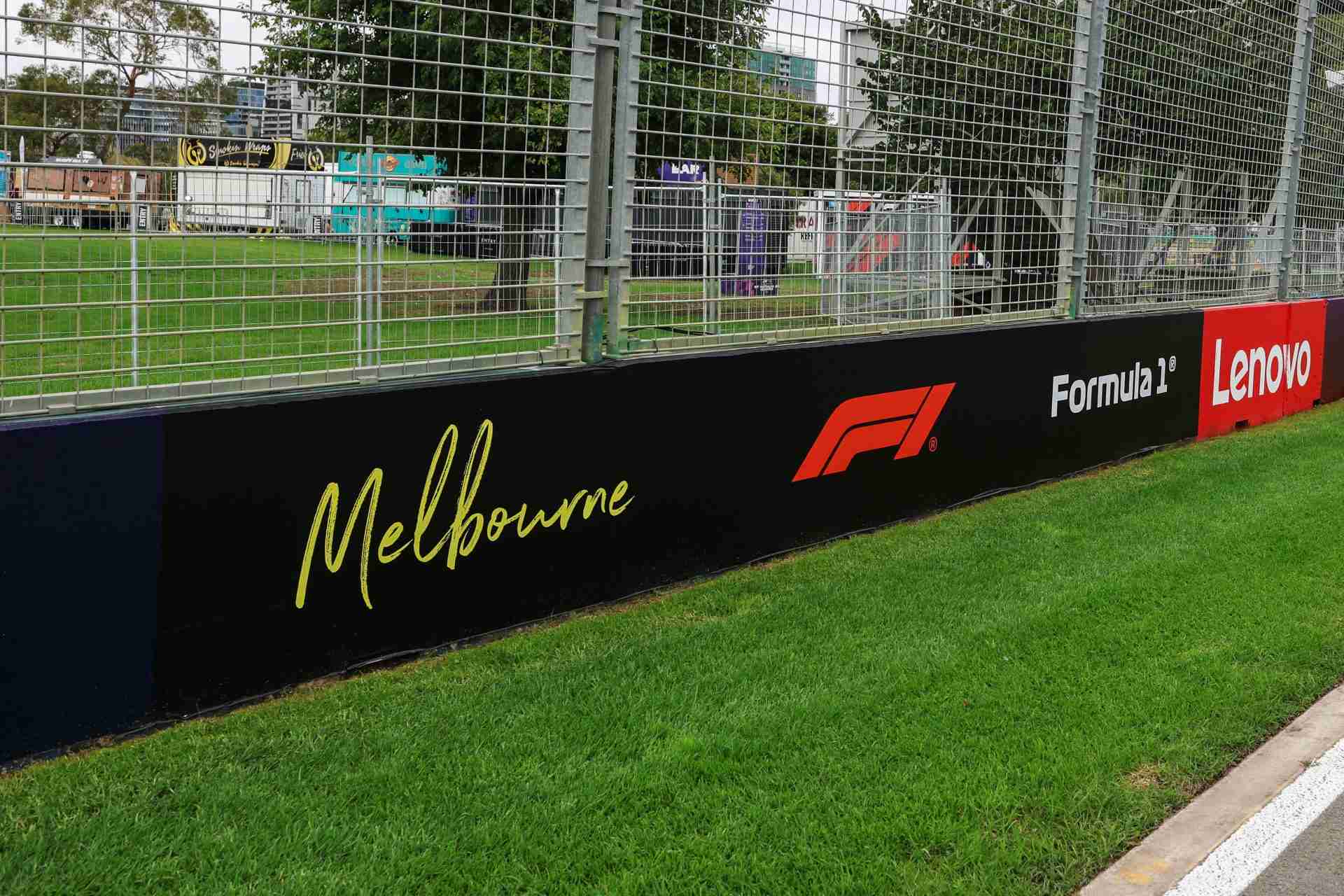
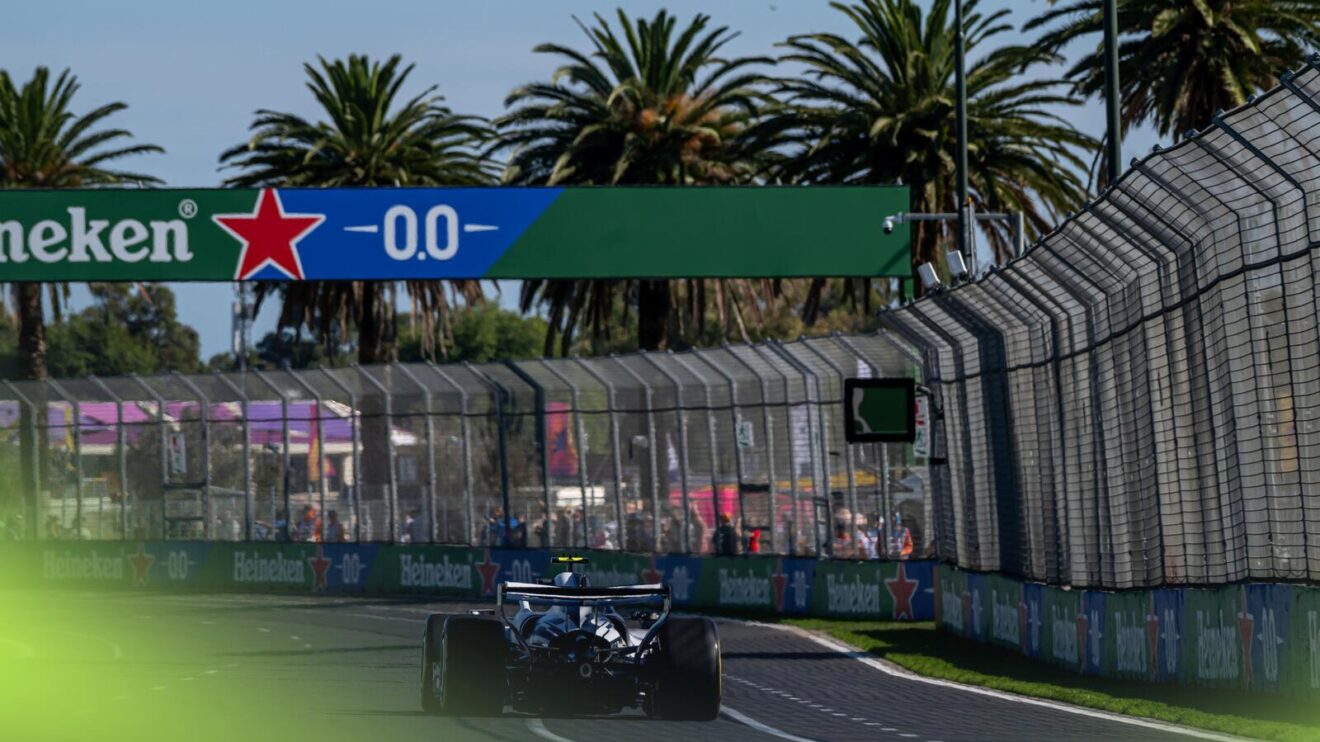
    The FIA removed a Straight Mode activation zone in the high-speed lakeside middle sector at Albert Park for the remainder of the Australian Grand Prix weekend after drivers raised safety concerns that low downforce in traffic could cause loss of control, including front- and rear-end sliding. Sources variously described the deleted zone as covering Turns 6–9, 7–9 or the esses at 8–9; teams were informed of the change at 9:45 a.m. on Saturday, just over two hours before FP3. FIA single-seaters head Nikolas Tombazis said the Straight Mode had been an “aggressive” choice and emphasized “safety is number one,” while officials called the full removal a blunt or “draconian” but provisional, safety-driven measure.

    The FIA said overnight simulations and analysis of data from all 11 teams — which showed seven teams had less front-axle downforce than expected — supported the decision, and it noted it may seek other interventions such as imposing minimum downforce levels pending further data. Officials said they considered shortening the zone but judged that option too risky and described the removal as a blunt, all-car solution because the Straight Mode effect varied between car designs; they plan to analyze more data after the first two races to find less blunt options.

    The late change forces technical and strategic revisions: cars will now carry Corner Mode wings through the former Straight Mode sector, increasing aerodynamic drag and forcing teams to rework aerodynamic setups, ride heights and tire plans on short notice. Reduced entry speeds into Turn 9 will shorten braking zones and cut opportunities to recharge batteries, meaning energy-recovery and battery-deployment strategies must be revised; officials warned energy recovery through the sector will be harder and the change will reshape race and qualifying strategy under the new rules. The intervention comes at the first event run under the 2026 technical regulations, which replace DRS with a five-zone active-aero Straight Mode system that opens bodywork on long acceleration stretches to reduce drag and automatically closes for corners; the 2026 rules also removed the MGU-H, introduced an Overtake Mode battery boost and added a five-second pre-start turbo build-up delay. Early running at Albert Park showed several manufacturers demonstrating promise while others faced problems, underscoring that the Straight Mode removal will have immediate implications for teams adapting setups, energy management and strategy across the rest of the weekend.

    More
  • RB22 lockup sends Verstappen to back of grid

    RB22 lockup sends Verstappen to back of grid

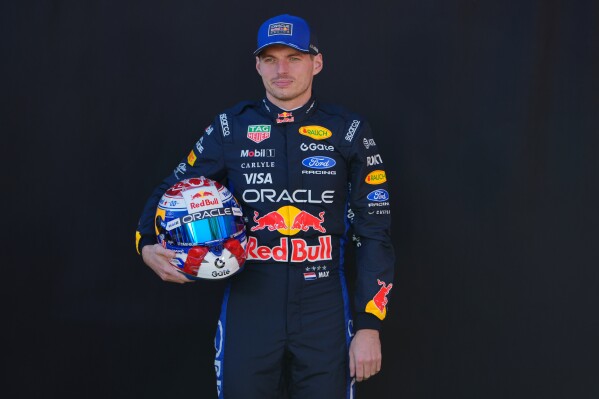
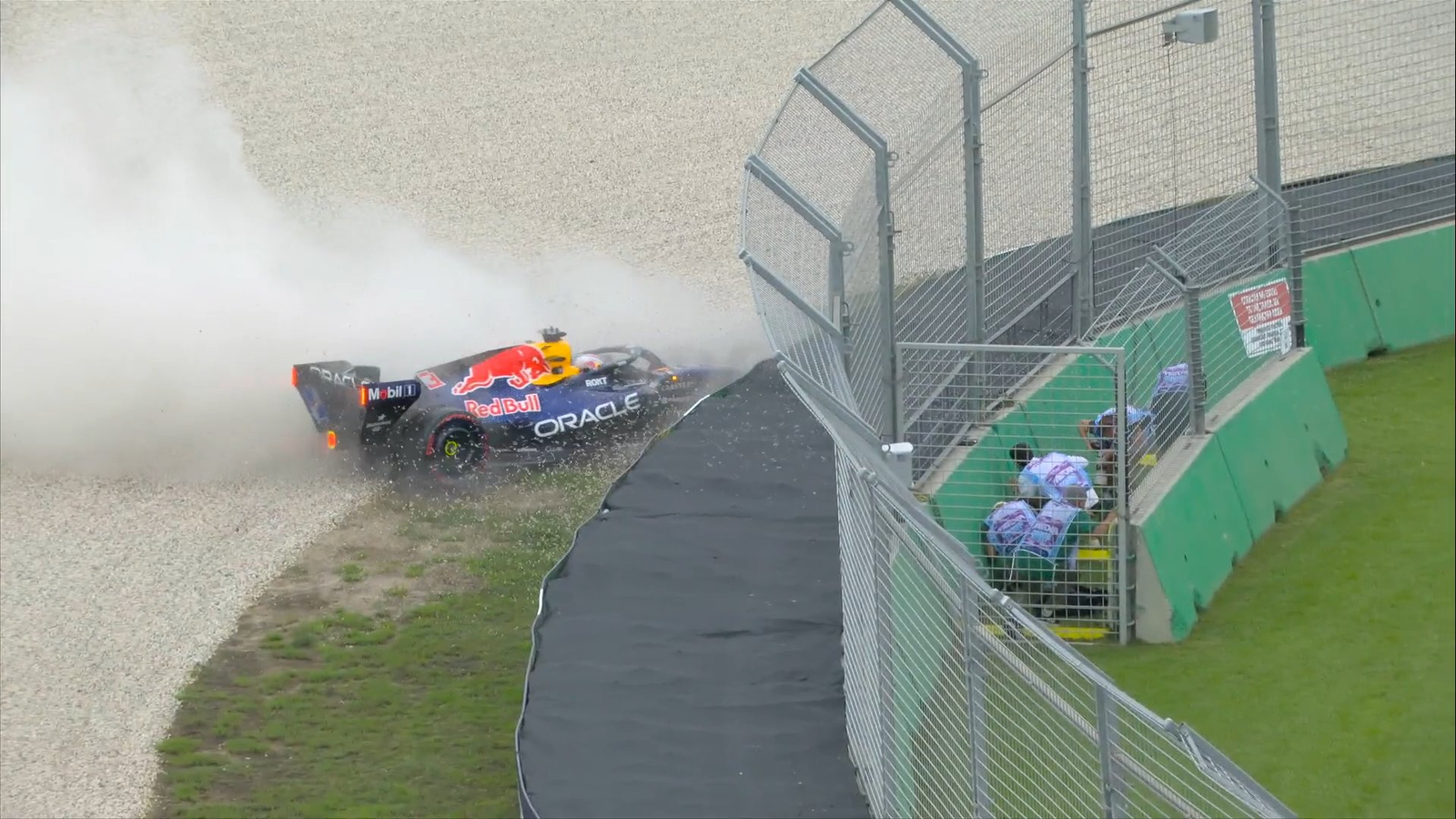
    Max Verstappen’s Friday troubles at the Australian Grand Prix left Red Bull scrambling to repair an RB22 that sustained floor and underside damage. During FP2 Verstappen ran wide at Turn 10, went onto grass and gravel and shed pieces of the car’s floor and bodywork before keeping the car pointing and completing another lap to return to the pits; he completed just 13 laps in the session and ended the day sixth overall. Red Bull engineering chief Paul Monaghan described the damage as “enough to keep us busy” but recoverable, and praised the new Ford-backed power unit as “brand spanking new” and notably reliable.

    The on-track damage compounded earlier performance issues. Verstappen’s FP2 running had been compromised by an electronic control-box problem that kept him off track for the first 25 minutes, and he posted the sixth-fastest time, about 0.637 seconds behind FP2 leader Oscar Piastri and roughly six-tenths adrift of the quickest cars overall. Sky Sports analyst Anthony Davidson suggested the Turn 9/10 off was a momentary lapse as drivers adjust to roughly 30% less downforce under the 2026 rules; Verstappen said the rule changes were complex and that fans need a “degree” to understand them. Team mate Isack Hadjar and Red Bull engineers also reported deployment and consistency questions and cautioned it was too early to judge the pecking order.

    The situation worsened in qualifying when Verstappen lost control of the RB22’s rear while braking into Turn 1 and suffered a Q1 collision that brought out red flags. He reported a locked rear axle, climbed from the car largely unhurt and had not set a timed lap before the stoppage; he is set to start at the rear of the field. That result deprived Red Bull of further track time to inspect and prepare the repaired RB22 and will shape the team’s preparations for the race.

    More
  • FIA narrows automatic penalties, widens steward discretion

    FIA narrows automatic penalties, widens steward discretion

    The FIA published updated driving-standards and penalty guidelines ahead of the 2026 Formula 1 season, presenting the document as guidance to inform stewards rather than as formal changes to the sporting regulations. The revisions build on a 2025 review and follow a meeting with teams and drivers in Qatar, seeking to inject more flexibility and “common sense” into stewarding by narrowing automatic penalty‑point triggers to truly dangerous, reckless or apparently deliberate actions and by giving stewards broader discretion to judge incidents in context.

    The guidance makes clear that minimal contact described as a touch or “kiss” may attract no penalty, while for especially severe or “very extreme” deliberate or reckless collisions stewards may now impose the harshest sanctions, including disqualification or a suspension from the next race. Existing tools such as the 10-second stop-and-go penalty and the four penalty-point threshold remain available, though no driver received that specific sanction during the 2025 season. The document also sets measurable overtaking and track-limit criteria: inside moves should have the overtaking car’s front axle at least alongside the other car’s mirror prior to and at the apex, outside moves should have the overtaker’s front axle ahead at the apex, and moves must be driven in a controlled way within track limits.

    Chicanes and S‑bends are to be judged element-by-element, white lines count as track while curbs do not, and qualifying and Sprint laps that gain a benefit will be deleted with a “three strikes” approach applied in Sprint and Race sessions subject to stated exceptions. Rules on defending after leaving the track were tightened so that a car that cuts a chicane or leaves the track and then rejoins in the same position will generally be considered to have gained a lasting advantage and should concede the place, with final decisions remaining at stewards’ discretion. The guidance also clarifies investigatory standards—lock-ups will not automatically be treated as loss of control, temporary loss of control may stem from avoidance or physics, and apex lines can legitimately vary between drivers and attempts—while yellow-flag enforcement was given rough benchmarks (about 5% slower for single waved yellows and ~15% for double waved yellows). Stewards will factor tire condition, fuel load, energy deployment and track and environmental conditions when judging compliance.

    The changes were prompted in part by controversial 2025 stewarding decisions, notably the Brazilian Grand Prix where Oscar Piastri received a 10-second penalty and two penalty points for a Turn 1 collision that drew criticism from Carlos Sainz, and the package includes caveats and explicit overtaking criteria intended to reduce automatic penalties and make stewarding more consistent and context-sensitive going into 2026. Notable 2025 examples cited in the update include Max Verstappen, who was the only driver to receive as many as three penalty points for contact in 2025 and who served a 10-second penalty at the Spanish Grand Prix for colliding with George Russell without stewards deeming the collision deliberate or reckless.

    More
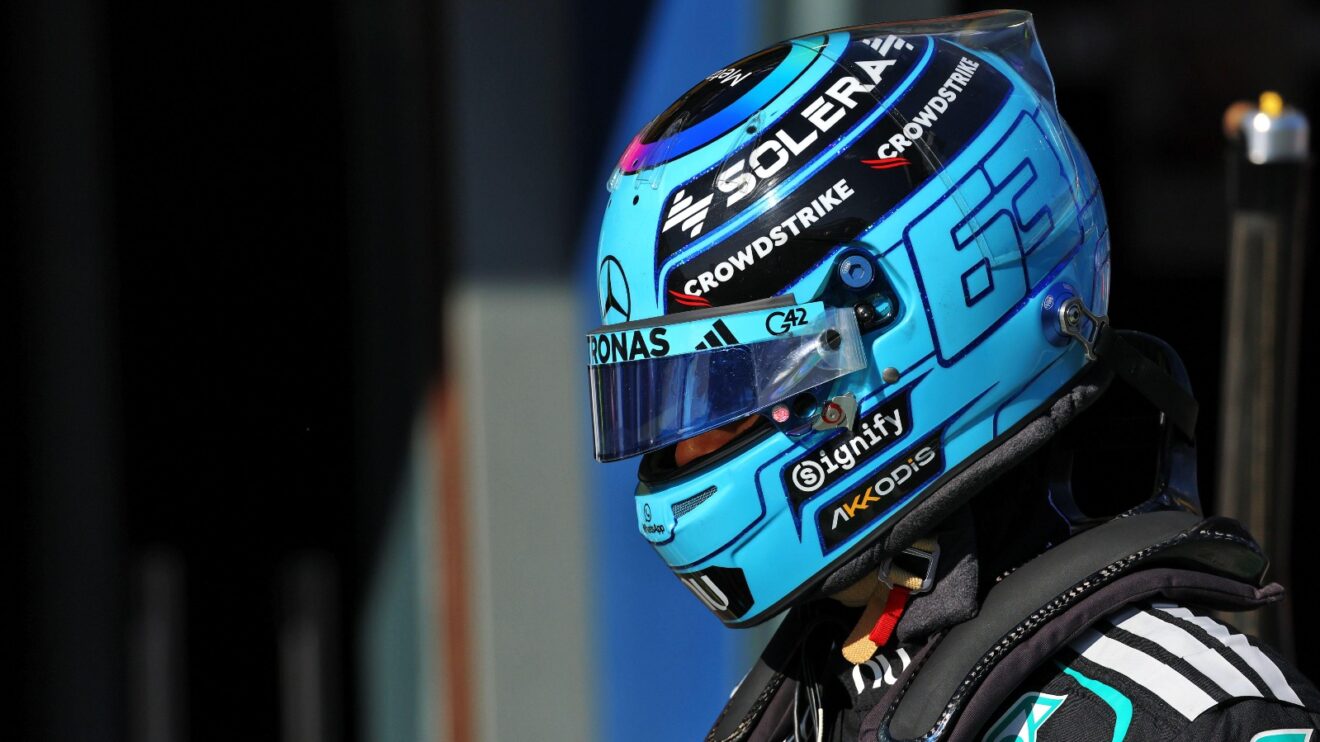
  • Stewards reprimand Russell; warn over outside practice start

    Stewards reprimand Russell; warn over outside practice start

    George Russell was reprimanded and given a formal warning after two separate incidents in FP2 at the Australian Grand Prix: a pit-lane collision with Racing Bulls rookie Arvid Lindblad and a practice start carried out outside the designated area. Stewards reviewed the pit-lane incident and concluded Russell attempted to join the pit-lane fast lane as Lindblad was accelerating, that Lindblad had priority and there was no suitable gap; the contact damaged Russell’s Mercedes front wing, which was replaced. For that contact they issued a reprimand under Appendix L, Chapter IV Article 5b of the International Sporting Code.

    They also ruled Russell’s practice start breached Article 12.2.1.i of the FIA International Sporting Code and Item 14.1 of the Race Director Competition Notes, issuing a formal warning for starting outside the designated area. Russell initially told stewards Lindblad had crashed into him; he later said the sun had obscured his view of the grid box when he performed the practice start. Stewards opened investigations during Friday practice before issuing their rulings. No immediate time penalties or grid-place sanctions were applied.

    Media noted the reprimand carries potential season-long consequences: accumulating five reprimands, with at least four for driving infringements, converts to a 10-place grid penalty. The incidents came as Russell entered the weekend as bookmakers’ favorite for the title, and after Mercedes had been touted as the quickest team following pre-season testing.

    More
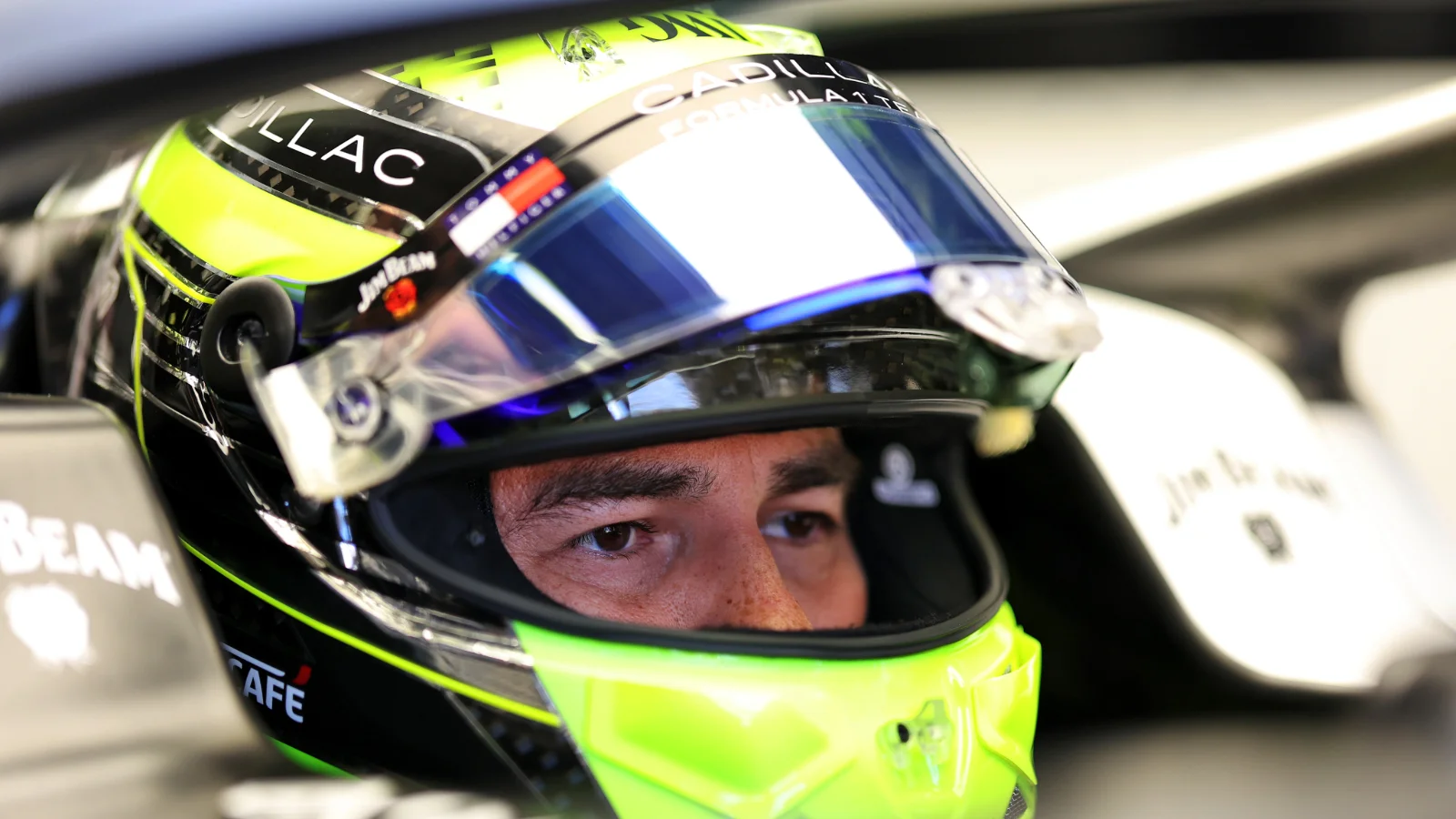
  • Pérez says Cadillac restored his confidence

    Pérez says Cadillac restored his confidence

    Sergio Pérez says he feels “much more appreciated” at Cadillac and that his car-development feedback is “much more appreciated” than it was at Red Bull, a shift he credits with restoring his enjoyment and confidence as he returns to Formula 1 for the 2026 season. The 36‑year‑old—described in sources as a multiple Grand Prix winner (reports variously list five wins between 2021–2024 and one source calls him a six‑time winner)—joined Cadillac alongside Valtteri Bottas for the American team’s debut campaign, and he said his year away gave him perspective. Pérez added he intends to treat his 15th season “as if it was karting,” and has emphasized enjoyment as a route to better performance.

    Pérez has pointed to a more collaborative environment at Cadillac, saying he can already see the car being developed in the same unified direction he has requested and that his feedback is better received than during his difficult final year at Red Bull. He was released by Red Bull at the end of 2024 after a dip in form and an inability to match teammate Max Verstappen; Pérez said the weight of expectations and reminders of failure at Red Bull had drained his enjoyment. Broadly, commentators noted he looked refreshed and confident during pre‑season testing in Bahrain, and former driver Anthony Davidson said Pérez appears “happier at Cadillac than at any point during his time at Red Bull.”

    Caveats remain: Cadillac is widely expected to start 2026 with one of the slower cars on the grid and observers after testing judged the new project may struggle toward the back, with some reports saying Pérez appeared more visibly worried than Bottas about the team’s prospects. Cadillac has signaled a short‑term priority of steady progress—beginning with the Australian Grand Prix in Melbourne—focused on assembling departments and out‑developing established teams rather than chasing immediate results, and the drivers’ experience is expected to be relied upon to help the debut season. These impressions are drawn from post‑testing reports rather than definitive performance data, and fans will be watching whether Pérez’s apparent uplift in confidence and his greater collaborative role at Cadillac translate into on‑track results.

    More
  • FP2 sets baseline at Australian GP, reveals race pace

    FP2 sets baseline at Australian GP, reveals race pace

    Friday practice at the Australian Grand Prix was treated as a crucial data-gathering day. FP1 ran 12:30–13:30 AEDT and FP2 16:00–17:00 AEDT; teams prioritized long-run work over headline lap times, and FP2 was expected to give the clearest read on race pace because crews ran heavier fuel loads and extended stints on medium and hard tires.

    Teams focused on a handful of technical indicators during Friday running: long-run consistency, rear stability when drivers used aggressive curbs, lap-time drop-off across 8–12 lap stints, and component behavior such as brake temperatures, cooling performance and gearbox response. How teams used the soft tire was also revealing: avoiding long soft-tire runs could point to durability concerns, while aggressive soft-tire testing would suggest confidence in a two-stop strategy.

    The weekend schedule runs March 5–7: FP3 and qualifying are set for Saturday, with the race on Sunday at 15:00 AEST. Broadcasters: Apple TV is the exclusive U.S. rights holder and is offering a seven-day free trial; Sky Sports (via Sky Go/NOW) holds exclusive U.K. rights; F1 TV remains available worldwide, including Canada and Mexico. Friday’s importance was amplified by major regulation changes and limited on-track data — teams completed nine days of pre-season running but arrived with only a baseline for the 2026-spec cars and overhauled chassis and power units. Early indicators named McLaren, Mercedes, Red Bull and Ferrari among potential frontrunners, while new manufacturer entries Audi and Cadillac made their race-weekend debuts. Motorsport.com will provide live text commentary of the weekend. Support-series context: the F2 season also opened at Albert Park this weekend (Free Practice on Friday, Qualifying and the Sprint on Saturday, Feature on Sunday); organizers expect pit strategy, the circuit’s low-grip surface, multiple DRS zones and high tire wear to be decisive across the weekend.

    More
  • Mekies warns Red Bull faces 'painful' PU development

    Mekies warns Red Bull faces ‘painful’ PU development

    Team principal Laurent Mekies warned that Red Bull faces a potentially “painful” process to develop its new power unit under Formula 1’s 2026 regulations ahead of the Australian Grand Prix. While the Ford-backed unit made an impressive showing in Bahrain testing and Red Bull Powertrains completed a high volume of laps, Mekies framed the immediate challenge as technical development — particularly durability and reliability — rather than outright race performance. New signing Isack Hadjar experienced reliability problems in Bahrain, and Mekies said there was a long way to go before the team could be considered favorites, although he remained cautiously optimistic about the start of the campaign.

    Max Verstappen described the new regulations as “pretty complicated” and “anti-racing,” likening the cars to “Formula E on steroids,” while also praising the initial performance of Red Bull’s debut power unit and the team’s assembly work. He and Mekies highlighted battery-charging techniques showcased in testing as important for the year ahead. Preseason running exposed questions around energy recovery and other performance and reliability matters; Verstappen cautioned that late rule changes would be impractical given the money already spent and warned that reducing deployable electrical power would generally slow lap times. He said PU-chassis integration felt good but that Red Bull still wanted additional performance, and he acknowledged he did not yet know where the team would sit in the competitive pecking order despite expecting to be among the top four alongside Mercedes, Ferrari and McLaren.

    Those technical uncertainties carry tactical consequences. Reports from testing — and the new regulations’ greater emphasis on engine and tire management — underpinned Verstappen’s warning not to overinterpret strong preseason form, and he admitted Red Bull had “quite a bit of work” to catch Mercedes and Ferrari. The team plans to be “super aggressive” at the start of the season, a strategy its drivers and engineers accept is intentional but risky given the increased vulnerability to engine and tire issues. With the Australian Grand Prix expected to be a tough and potentially chaotic early test of the 2026 packages, Mekies signaled that resolving durability and development problems in the weeks before Melbourne will be critical to the team’s prospects.

    More
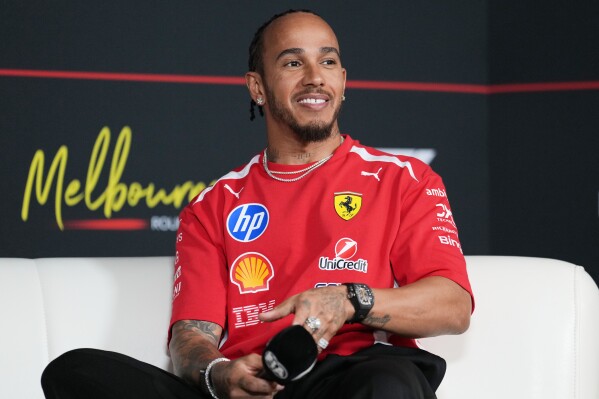
  • Ferrari's Hamilton vows to stay in F1 until Africa hosts GP

    Ferrari’s Hamilton vows to stay in F1 until Africa hosts GP

    Lewis Hamilton has vowed to stay in Formula 1 until a Grand Prix is held in Africa, saying he has spent six to seven years “fighting in the background” to make it happen and that he does not want to retire without having raced on the continent. Speaking ahead of the season opener in Melbourne, the seven-time world champion and Ferrari driver said he aims to race in Africa at least once before he retires and named South Africa, Kenya and Rwanda as strong candidate hosts.

    Hamilton framed his campaign in personal and political terms, describing himself as “half-African”, citing roots in Togo and Benin and noting planned visits in 2025 to Benin, Senegal and Nigeria. He accused former colonial powers of ongoing exploitation, urged African unity and said it was time to “take Africa back”, while continuing behind-the-scenes lobbying with stakeholders to restore an F1 race to the continent.

    Practical obstacles remain substantial. F1’s last African race was at Kyalami in 1993 and the circuit will need upgrades to regain FIA Grade 1 status; the FIA approved plans and gave the venue three years to complete the works, and Hamilton has pushed for an accelerated timeline. Rival bids have gone quiet, a Rwandan proposal is unlikely to be ready before 2029 amid regional security concerns, and Hamilton himself acknowledged there is no imminent prospect — he said the chances of a race before the end of the decade are low. There are currently no confirmed race dates or official agreements to bring F1 back to Africa.

    More
  • Piastri resets after 2025 collapse, embraces 2026 rules

    Piastri resets after 2025 collapse, embraces 2026 rules

    Oscar Piastri says he is focused on moving past the “painful” collapse that cost him the 2025 title and is approaching his fourth F1 season determined to learn the lessons rather than chase guarantees. He described the 2026 regulation reset and the new, more electrified power units as a constructive distraction that give “plenty still to learn,” and warned that early pace in Melbourne will not necessarily indicate who will win the championship.

    Piastri said he is “approaching the limit of how much more performance he can extract,” that he will concentrate on races that showed “what I can do,” and that he used the off-season to reset mentally and to get to grips with the sweeping changes to chassis and power-unit rules. On McLaren’s competitiveness he was candid that the team is “in the mix” but not where it was a year ago and that he “has no idea” exactly where McLaren will be under the new regulations. Team leaders Andrea Stella and Zak Brown suggested Mercedes and Ferrari looked a step ahead in pre-season testing, with Red Bull and McLaren close behind; McLaren does not expect the all-new MCL40 to be the early leader at Albert Park.

    The 2026 power units feature a near 50/50 split of internal combustion and electrical power and a three-fold increase in electrical energy, creating new harvesting and deployment challenges that make Melbourne an especially instructive weekend. Piastri said the changes set up a season-long development battle where updates will determine competitiveness. Outside voices underline the mixed outlook: Sky Sports commentator David Croft called Piastri “a world champion in the making,” bookmakers have installed Mercedes as favorites, and McLaren enters the year as defending two-time constructors’ champions after a 2025 campaign in which Piastri won seven races, led the standings for 189 days but lost momentum in a late six-race stretch and finished third. Piastri said he will build on the season’s proud moments and on McLaren’s engineering strength as the team pursues a longer-term development plan rather than prioritizing early results.

    More