NXTbets Inc

  • Reverted wing restores confidence; Norris P3, Piastri P4 in sprint

    Reverted wing restores confidence; Norris P3, Piastri P4 in sprint

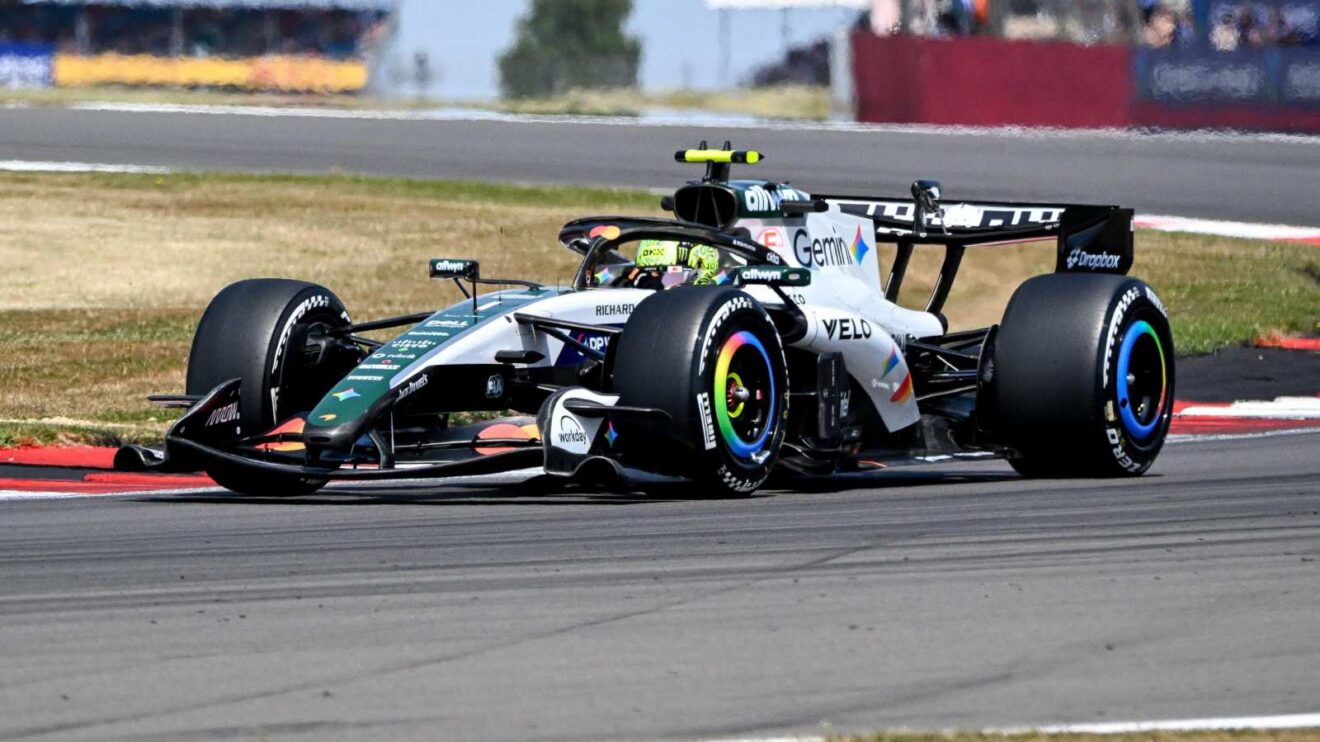
    McLaren made a late decision to revert to its previous-spec front wing for sprint qualifying at the Canadian Grand Prix after the updated front-wing design failed to deliver the expected gains in practice. Technical director Neil Houldey said the new wing “wasn’t quite delivering,” and that switching back to the prior wing restored driver confidence and unlocked better performance. Team principal Andrea Stella described the U-turn as a conservative, data-driven choice to avoid introducing an unproven element mid-weekend and said the team needed more time to evaluate the wing’s behavior, adding that McLaren remained “three tenths off” pole while Mercedes had brought meaningful upgrades.

    Both Lando Norris and Oscar Piastri had tested the new front wing in Free Practice 1, with Norris running it early and Piastri trying it later, but Friday running was limited after both drivers had excursions onto the grass under braking and posted P6 and P7 in FP1 respectively. McLaren elected to run the older front-wing specification for the sprint session to keep the car predictable for the short-format event; Norris qualified third in the sprint ahead of Piastri in fourth, behind sprint pole-sitter George Russell. Norris described the new front wing as “a bit more questionable,” and warned Miami-derived parts might be track-specific, while Piastri said more work was needed to match Mercedes, who remained the benchmark.

    The reverted wing formed part of a broader second-phase upgrade programme that began in Miami, with McLaren bringing a seven-part package to Montreal that included a new front wing, a reprofiled engine cover with different cooling exits, a new halo fairing, revised suspension fairing and rear wing endplates, and tweaks to the floor-edge wing. McLaren framed the changes as an iterative technical progression intended to build on Miami momentum rather than a one-off tweak, and said some elements of the new wing might be reintroduced either next weekend or at the Barcelona round after further assessment and more running.

    More
  • Alain Prost hurt in armed home robbery at Nyon villa

    Alain Prost hurt in armed home robbery at Nyon villa

    On Tuesday morning, Alain Prost, 71, the four-time F1 world champion, suffered a minor head injury during an armed home robbery at his villa in Nyon, near Lake Geneva. Masked intruders in balaclavas entered the house, threatened family members and forced a family member — reported to be Prost’s son — to open a safe at gunpoint before fleeing with stolen goods. Swiss tabloid Blick and prosecutors said Prost was visibly shaken; he has since left the lakeside residence and traveled to Dubai.

    Authorities described the incident as a serious burglary and assault and opened a criminal investigation. Vaud Cantonal Police launched a major search; investigators included canine, regional, security and forensic units, an ESU psychological support team, the Federal Office for Customs and Border Security and the French gendarmerie, notified amid concerns that suspects may have crossed the nearby border. Prosecutors compiled an inventory of items taken; the value or contents of the safe have not been confirmed, and no arrests have been announced. Authorities say the case fits a wider pattern of robberies targeting F1 figures and comes against a backdrop of increased home invasions in the Lake Geneva region — 18 similar incidents were recorded in Geneva in 2025. Investigations continue to identify and arrest the perpetrators.

    More
  • Analysts: Mercedes W17 exploited loophole to boost power

    Analysts: Mercedes W17 exploited loophole to boost power

    Analysts concluded Mercedes’ W17 has exploited a loophole in the technical rules to produce a superior power unit and hybrid delivery. That has given Mercedes a straight-line and usable-energy advantage over Ferrari that has been apparent since Australia. Customer teams running Mercedes power units, notably McLaren, have also benefited.

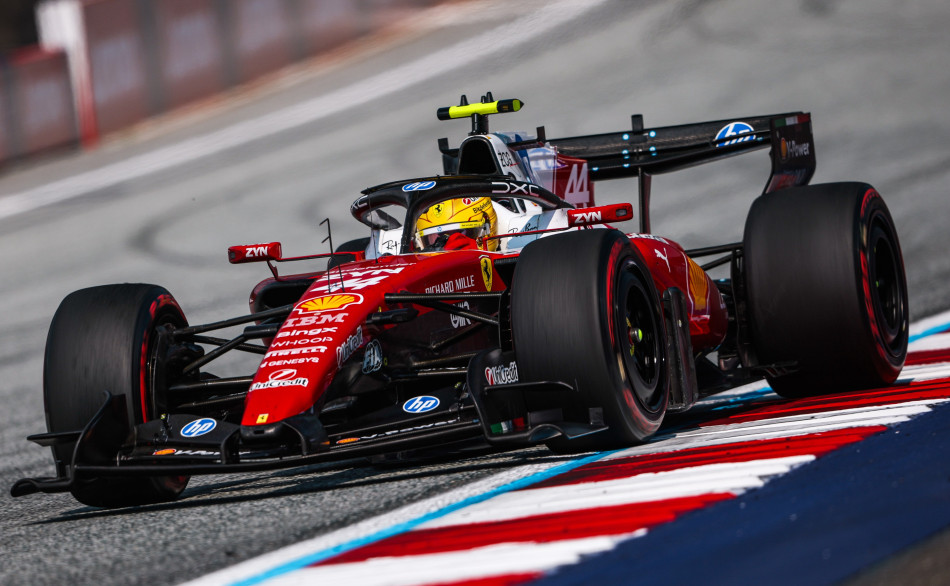
    Detailed Montreal telemetry showed how the advantage translated on track. In sprint qualifying George Russell set the pace with a 1:12.965 lap; Lewis Hamilton was 0.361 seconds slower at 1:13.326. Russell reached a top speed of 333 km/h versus Hamilton’s 330 km/h and hit 300 km/h about 11 metres earlier. Overlay and speed‑trace comparisons showed stronger exits and higher top speeds for Russell, while Ferrari kept the edge in medium‑speed cornering and chassis rotation. Hamilton suffered electrical deployment fade and battery depletion on his final runs and aborted a Q3 lap after the rear stepped out at Turn 9. Analysts estimated Ferrari’s usable‑energy deficit cost roughly 0.3 seconds of lap time; the pattern was visible in the Sprint as well.

    The gap has already reshuffled the pecking order. McLaren moved ahead of Ferrari after its Miami upgrades, helped by the Mercedes power unit. Data reports and multiple outlets have focused on deployment and straight‑line power differences rather than driver error. Analysts say Ferrari will need hardware upgrades or clever strategy to recover if the trend continues; energy‑deployment management and setup/packaging trade‑offs are likely to be decisive. A wet‑race forecast for race day could still reshuffle the order.

    More
  • Leclerc calls Montreal worst weekend as Ferrari fights tyres, brakes

    Leclerc calls Montreal worst weekend as Ferrari fights tyres, brakes

    Charles Leclerc endured what he called “one, if not the worst weekend of my career” at the Canadian Grand Prix after persistent tyre and brake problems left him unable to feel or trust his Ferrari. He said he had not had a single lap since FP1 where he could truly feel the SF-26, repeatedly failed to get the tyres into their operating window, was “really struggling” with brakes and warned over the radio he might “end up going straight” into corners or “put it in the wall.” Leclerc described sliding through qualifying, called the weekend a “nightmare” and said he would analyse how to better “switch those tires on.” He recovered in the Sprint to finish fifth.

    Ferrari identified a persistent brake-balance issue and said engineers have a working hypothesis. The team said it would carry out a focused investigation into driver-specific and hardware factors, including operating temperature windows, pad material, migration settings and potential brake-by-wire inconsistencies. Engineers cautioned they were uncertain whether a fix could be applied before the Sprint and Grand Prix qualifying sessions and warned that unresolved brake problems could make it “a very long weekend.” Ferrari brought no upgrades to Montreal, with immediate fixes limited to setup compromises or part swaps and further updates targeted for Barcelona.

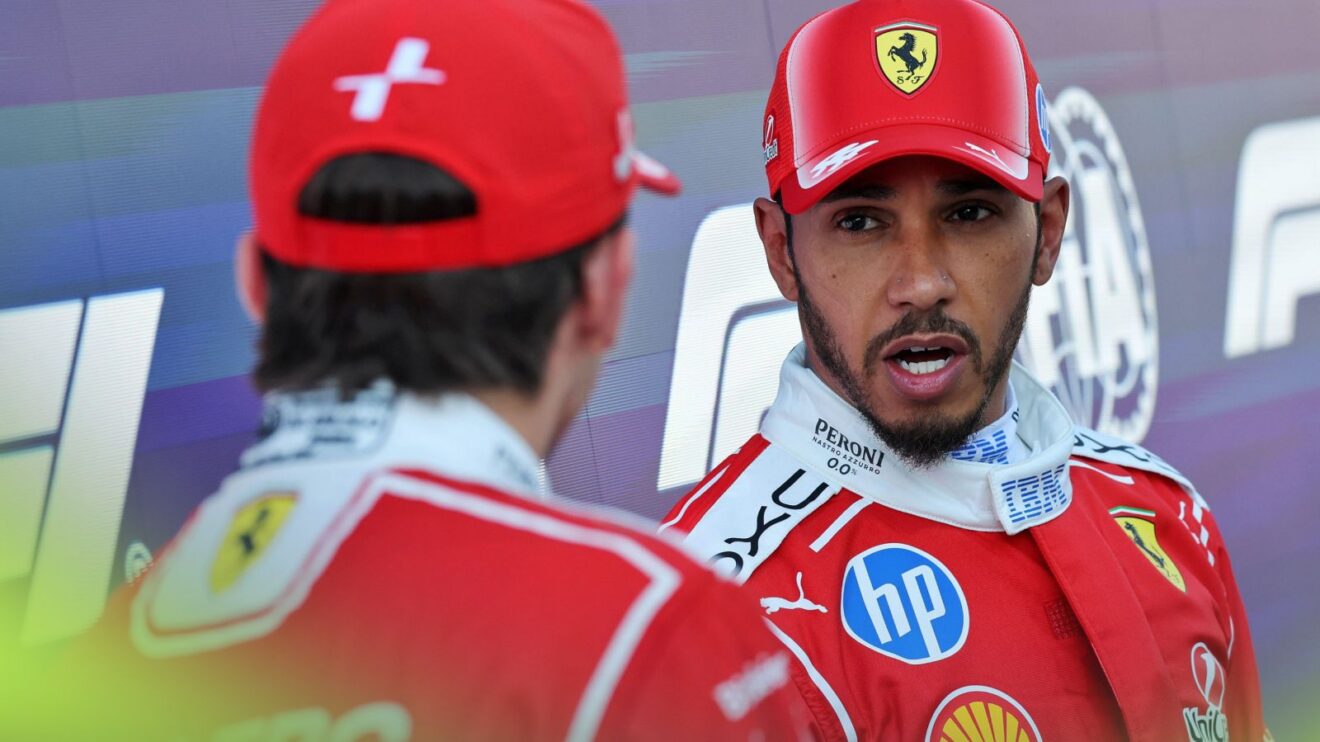
    On track, Lewis Hamilton beat Leclerc in Sprint Qualifying and topped SQ1, and Hamilton qualified fifth for the Grand Prix while Leclerc qualified eighth. Leclerc was held up by a McLaren in the Sprint even as he showed stronger medium-tire pace, and team principal Frederic Vasseur pointed to colder track temperatures and a one-step harder compound as factors that made it harder to get brakes and tyres into the right window, an effect he said affected Leclerc more than Hamilton. The situation left Ferrari balancing urgent technical troubleshooting with preparing both cars for the remaining race sessions.

    More
  • Russell snatches pole as Mercedes lock out Montreal front row

    Russell snatches pole as Mercedes lock out Montreal front row

    George Russell clinched pole position for the 2026 Canadian Grand Prix at Circuit Gilles Villeneuve, producing a decisive final-lap 1:12.578 in qualifying to edge Mercedes team-mate Kimi Antonelli by 0.068 seconds and give Mercedes a front-row lockout. Russell had earlier topped sprint qualifying and won the 23-lap Sprint, finishing 1.272 seconds ahead of Lando Norris, with Antonelli third. McLaren pair Lando Norris and Oscar Piastri will occupy the second row, Lewis Hamilton qualified fifth and Max Verstappen sixth. The 22-car starting grid released after qualifying is provisional and remains subject to FIA ratification and any penalties.

    Mercedes arrived in Montreal with a large upgrade package and dominated the weekend running, topping practice, Sprint Qualifying and the main qualifying session as upgrades and setup changes reshaped the pecking order. Friday’s lone practice was heavily disrupted by red flags and incidents that limited clean running, including Alex Albon striking a groundhog and other stoppages, which compressed teams’ preparation time. Russell said setup tweaks made to cope with forecast rain initially unsettled the car before he produced his late Q3 lap, and Mercedes confirmed it had discussed rules of engagement between its drivers after the Sprint.

    Rain is forecast for Sunday and teams warned it could complicate the Grand Prix. Max Verstappen said rain could create “chaos,” and officials and teams are considering measures to manage low-grip running because the new high-torque 2026 power units can spin rear wheels in wet conditions. The FIA has discussed possible restrictions on Straight Line Mode and Boost Mode in the wet, and only a handful of drivers have prior experience in 2026 cars in rainy conditions. Teams must adapt strategy, and changing weather and potential FIA interventions could be decisive for Sunday’s race.

    More
  • Lindblad scores Sprint point as Lawson scrambles after leak

    Lindblad scores Sprint point as Lawson scrambles after leak

    A hydraulics-related reliability issue in Friday practice at the Canadian Grand Prix effectively sidelined Liam Lawson and disrupted Racing Bulls’ sprint and qualifying programme. Lawson stopped with a suspected hydraulic leak early in FP1 and was left with only very limited running, with reports varying between two and five laps before the problem surfaced. The failure forced a power unit change and Racing Bulls were unable to repair his car in time for Sprint Qualifying, a setback team principal Alan Permane called “a frustrating blow.” Lawson said the lack of track time left him “playing catch-up,” and he planned to use the Sprint session and teammate telemetry to try to recover for qualifying and the race.

    The issue came during a mixed weekend for Racing Bulls after the team introduced an aero upgrade that engineers described as encouraging. Head of Trackside Engineering Mattia Spini said “the aero upgrade worked as expected” and indicated Lawson likely would have had the pace to join teammate Arvid Lindblad in SQ3. Lindblad progressed to SQ3, qualified ninth for the Sprint and converted his Saturday results into eighth in the sprint, earning one championship point.

    Despite the Friday setback Lawson managed to make up ground over the weekend. He recorded the most overtakes in the 23-lap sprint, gaining six places to finish 11th, and later qualified 12th for Sunday’s Grand Prix, missing Q3 by 0.040 seconds after struggling to warm the soft tyres and battling front locking. Racing Bulls said its immediate priorities were to score Sprint points with Lindblad and to prepare a fast, reliable car to give both drivers the best chance in qualifying and to salvage race-day opportunities, with Lawson remaining hopeful that forecast rain could reshuffle the order on Sunday.

    More
  • Verstappen says 60:40 shift makes him likelier to stay to 2028

    Verstappen says 60:40 shift makes him likelier to stay to 2028

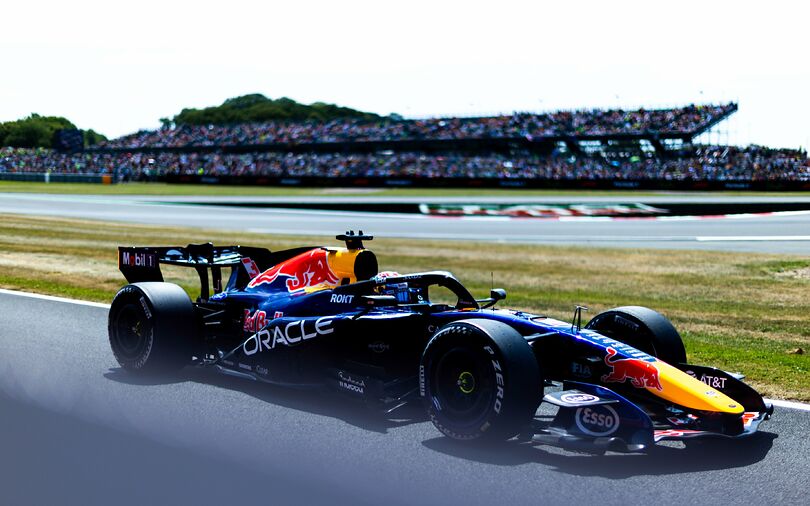
    Max Verstappen tied his Formula 1 future to proposed power‑unit regulation changes, saying the planned move to increase the internal‑combustion contribution would make him more likely to stay. He had warned he could quit if the 2026 rules remained unchanged, telling reporters “it’s just mentally not doable for me to stay like this.” After rulemakers reached an agreement in principle to rebalance the power unit toward roughly a 60:40 split favoring the internal‑combustion engine, Verstappen called the change “a major step in the right direction” and said it was “heading into a very positive direction.” He said the technical changes could influence his decision to remain beyond 2026 and make it more likely he will stay through the remaining two years of his Red Bull contract, which runs until 2028.

    Verstappen confirmed he would remain in Formula 1 next season, telling de Telegraaf “Yes, definitely,” and said he would only quit if “very crazy things happen.” He declined to commit to a long‑term future at Red Bull, said contract choices involved other projects and that he was “not in a hurry.” He rejected the idea of taking a sabbatical, saying “I’m not the person for that,” and added that if he stopped racing he would stop entirely, which he said is “not on the cards right now.” He made the comments at the drivers’ media day in Canada and during the Montreal qualifying weekend.

    The proposed 2027 package, presented as addressing driver complaints about battery harvesting and a practice known as “super clipping,” would reduce battery power and shift the energy balance to roughly 60 percent combustion and 40 percent electrical. Some power‑unit manufacturers pushed back and unanimity has not been achieved, raising the prospect the revised rules could be delayed until 2027 or even 2028. Teams gathered in Montreal amid renewed speculation about Verstappen’s long‑term future, fuelled by visible off‑track interactions and his father Jos Verstappen talking with Mercedes team principal Toto Wolff, though no formal approach to Mercedes was reported. Off the track, Verstappen had been contesting GT3 races in 2026, including an effort at the Nürburgring 24 Hours that ended when a driveshaft failure stopped a leading run, and he said he intended to return to try to win.

    More
  • Canadian sprint sees Hamilton cleared, Hulkenberg and Perez penalised

    Canadian sprint sees Hamilton cleared, Hulkenberg and Perez penalised

    FIA stewards cleared Lewis Hamilton after a post-race probe of his Turn 13 off-track excursion in the Canadian Grand Prix sprint. After reviewing telemetry, video and radio communications, they concluded he had not gained a lasting sporting advantage, Oscar Piastri was not in an overtaking position when he rejoined, and he was not defending when he ran through Turn 13.

    Hamilton had left the track at Turn 13 while battling Piastri for fourth, rejoined ahead at the final chicane, but later lost fourth to Piastri at the last corner and was then passed by Charles Leclerc to finish sixth. Coverage noted he clipped the Wall of Champions and lost momentum through the final corner; Hamilton said Piastri got alongside him there, which contributed to Leclerc taking fifth.

    Earlier in the same 23-lap sprint the stewards handed Nico Hülkenberg a 10-second penalty after he left the track at Turn 13 while defending against Liam Lawson, rejoined ahead and failed to give the position back — a sequence judged to have produced a lasting sporting advantage. The stewards said their contrasting decisions turned on context such as whether a driver was defending and whether an opponent was alongside. The sprint also produced other steward actions, including a 10-second penalty for Sergio Perez for forcing Lawson off the track, and several incidents were adjudicated while Esteban Ocon remained under investigation for a possible tyre-pressure infringement.

    More
  • Mekies insists Lambiase will be team principal, sparking McLaren row

    Mekies insists Lambiase will be team principal, sparking McLaren row

    Laurent Mekies repeatedly said Gianpiero Lambiase “is going to be a team principal,” first in Miami, then on live television and at the team principals’ press conference in Montreal, and he refused to backtrack. His remarks prompted a public disagreement with McLaren over the nature and timing of Lambiase’s move.

    McLaren CEO Zak Brown said McLaren announced in April that Lambiase will join as chief racing officer, reporting to team boss Andrea Stella as part of an “additive leadership” plan intended to relieve Stella’s workload. McLaren says Lambiase is expected to join no later than the 2028 season; the team has not announced any formal appointment of Lambiase as team principal. Stella welcomed the hire, described himself as “personally very stretched,” and dismissed succession speculation as “silly season.”

    Mekies stood by his reading of prior conversations that he said pointed toward a team principal role for Lambiase but declined to give a timeline. He also sought to head off rumours about Max Verstappen, saying “Verstappen remains committed to Red Bull.” Mekies and Brown met after the Miami Grand Prix and that discussion appeared to settle the issue, but the exchanges in Montreal have kept questions about McLaren leadership succession alive and fuelled wider personnel speculation.

    Lambiase has been Verstappen’s race engineer since 2016, was promoted to Red Bull’s head of racing in late 2024, and is contracted to Red Bull until 2028, making the timing of any move sensitive.

    More