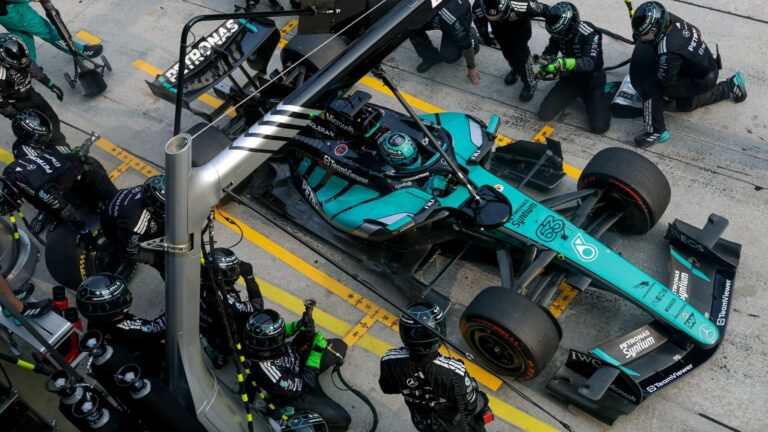






FIA Declares Heat Hazard for Austrian Grand Prix
NXTbets Pro | Published On: June 25, 2026
Heat Hazard Declared
The FIA has declared a heat hazard for the Austrian Grand Prix weekend at the Red Bull Ring in Spielberg after forecasting a heat index above 31.0C during Europe’s first major heatwave of the summer. Air temperatures are expected to climb into the mid- to high-30s Celsius, and the track surface at the Red Bull Ring could rise into the 50s Celsius. That puts extra strain on drivers and cars before the first lap is turned.
The heat-hazard protocol changes the way teams prepare. It forces them to activate driver cooling systems and it lifts the minimum car weight by five kilograms. The rule gives the governing body a formal response to extreme conditions and gives teams a clear set of steps to follow when the mercury rises. Austria had already broken June temperature records during the heatwave, and the forecast for Spielberg adds another test to a demanding part of the calendar.
The Red Bull Ring setting only sharpens the challenge. High ambient heat and a hot track make it harder to manage tires, brakes and cockpit temperatures over a full race distance. That is why the FIA uses the heat-hazard label when conditions cross a set threshold. It is designed to make sure teams do not wait until the cars roll out before they adjust their cooling plans. The rule also keeps the minimum weight stable across the field, even as teams add the hardware needed to help drivers cope with the heat.
Cooling Vests Optional
The driver cooling vest remains optional even when a heat hazard is in effect. Drivers can choose whether to wear one, and those who skip it must carry the equivalent of 0.5kg of ballast in their cars. The FIA has been pushing liquid-cooled vests that circulate coolant through a driver’s fireproof top, a setup meant to pull heat away from the body during long stints in punishing cockpit temperatures.
The system was first intended to become mandatory, but it stayed optional after drivers raised concerns about comfort and effectiveness. Some have said the vests feel awkward in the car. Others have questioned how well they work if the dry ice runs out. The FIA has kept the technology in play, but it has not forced the grid to accept it as standard equipment.
George Russell has backed the concept after using it in Singapore last year. His support matters because the vest debate has often been framed around driver experience, not just technical theory. The core issue is simple. If the cockpit gets too hot, the driver needs a practical way to stay alert and safe. The vest is one answer. The ballast penalty is another reminder that the FIA wants teams to make a choice and live with the trade-off.
The optional status also reflects the balance the FIA has tried to strike since the rule came in. It wants a cooling solution available for extreme heat, but it also wants buy-in from the drivers who have to wear it. That is why the vest remains part of the conversation rather than a fixed requirement. The governing body is encouraging its use, yet the final call still sits with the driver.
Qatar Heat Trigger
The heat-hazard rule was introduced after dangerous extreme heat at the Qatar Grand Prix left several drivers needing medical attention. That event gave the FIA a clear warning about what can happen when cockpit conditions push beyond safe limits. The current protocol is the response. It gives officials a way to act before a race reaches the same point.
The rule has already been used once at Singapore last year. That first application gave teams and drivers a live example of how the system works in practice. It also showed that the FIA is prepared to trigger the protocol when forecasts point to dangerous conditions, not just after problems start on track. The Austria call fits that pattern. The forecast crossed the threshold, so the FIA moved.
Sprint weekends bring another layer. On those weekends, the FIA can declare heat-hazard conditions separately for the Sprint session and the race, and it must make that call 24 hours before competition begins. That timing matters because it gives teams a window to adjust cooling plans, weight distribution and driver preparation before cars leave the garage. It also keeps the decision tied to weather forecasts rather than last-minute improvisation.
For Austria, the warning lands before the weekend has even begun. The forecast points to a punishing mix of high air temperatures and an even hotter track, and the FIA has already put the protocol in place. Teams now know the limits they are working under. Drivers know the vest remains available if they want it. And the Red Bull Ring is set up to become another test case for Formula One’s response to extreme heat.