




Teams exploit FIA actuator-loophole after active-aero ban at Monaco
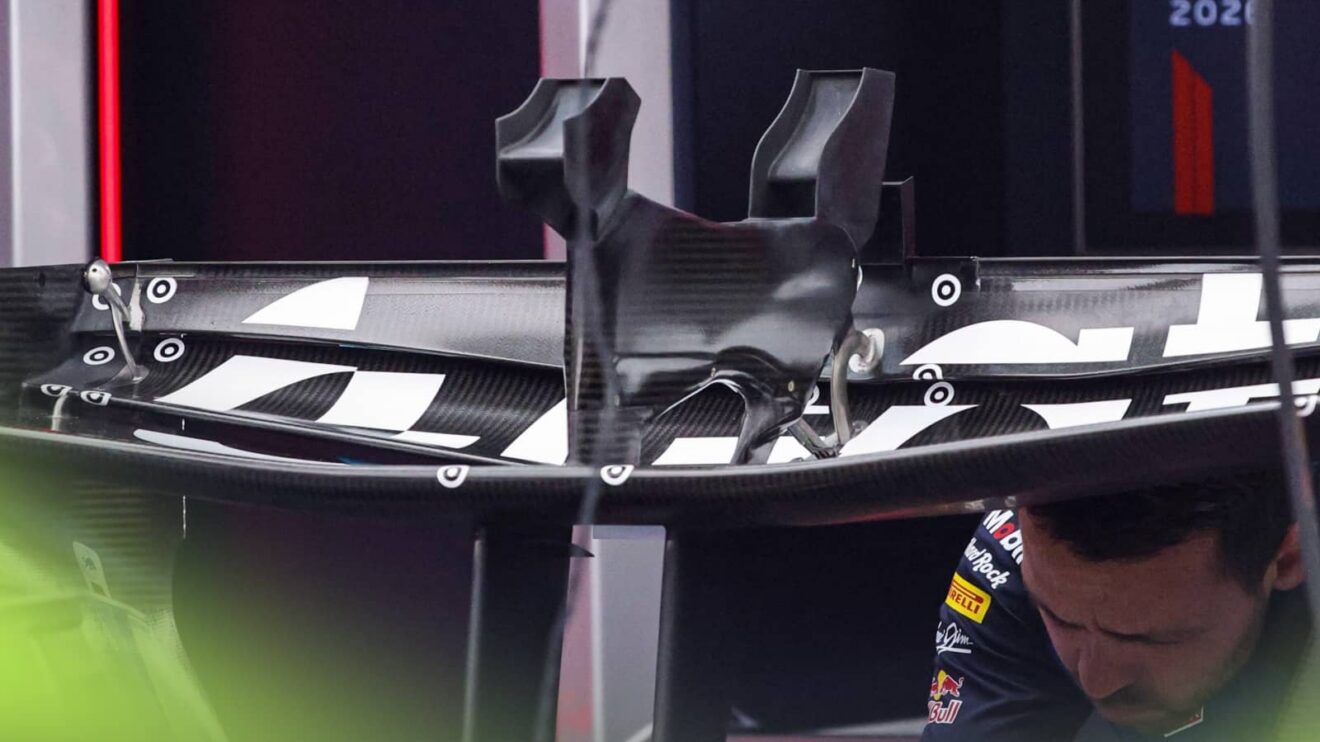
F1 teams exploited the rear-wing actuator housing loophole at the Monaco Grand Prix to add fixed winglets after the FIA banned active aero and straight mode for the weekend. With movable aero unavailable for an entire race weekend for the first time since DRS was introduced in 2011, teams turned the small rectangular actuator housings into packaging zones for fixed aerodynamic elements aimed at recovering downforce on the tight, high-downforce Monte Carlo layout. Teams replaced or reworked conventional rear-wing actuators with clusters of small winglets and cascading elements that fit inside FIA-defined legality boxes, effectively reusing the actuator housing to regain some aerodynamic control while remaining lawful. Mercedes and Red Bull led visible examples: Mercedes removed its actuator and fitted a radical arrangement that included a mainplane-mounted pylon with a trio of cascading winglets, additional banks of winglets and Gurney flaps, while Red Bull retained its actuator pod and modified it to carry two winglets enclosed by endplates. Cadillac removed the actuator entirely, Racing Bulls converted the housing into a single tab with an added Gurney flap, and McLaren deployed a comparable approach. Reports vary on Ferrari’s role, with some accounts saying it had not yet taken advantage of the actuator-housing area and others listing Ferrari among teams with cascading elements. The added winglets were intended to produce cleaner incoming airflow and increased upwash, enlarging the low-pressure field and, when linked to the diffuser, increasing suction and underfloor airflow to boost downforce. Because Monaco’s low cornering speeds reduce the drag penalty, teams chased so-called “dirty downforce” to improve traction and acceleration. Technical commentators framed the work as classic marginal-gain engineering: a tactical, rapid response to a one-off rule change that exploited permitted packaging zones and actuation points rather than a wholesale rewrite of aerodynamic rules. PlanetF1 described the installations as aerodynamic workarounds prompted by the temporary ban, and teams across the grid adapted quickly to optimize lap time for Monaco’s low-speed, tight-circuit environment.