




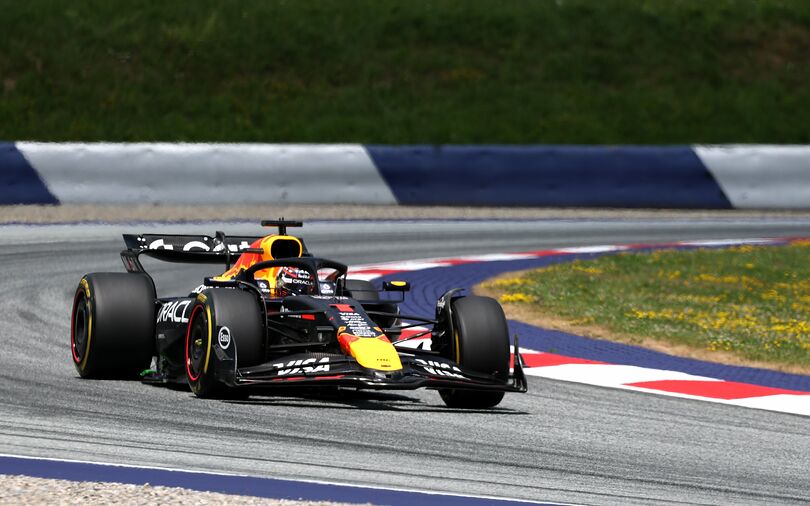
Pirelli eyes one-stop race at Austrian GP
NXTbets Pro | Published On: June 25, 2026
Austrian GP tyre package
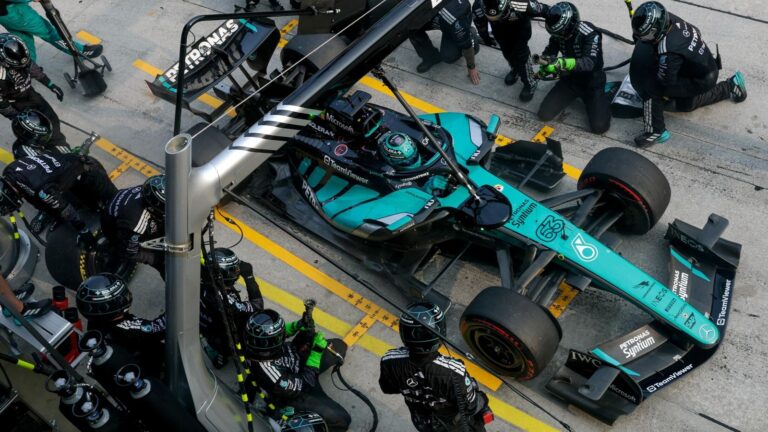
Pirelli is heading into the Austrian Grand Prix with a softer tyre selection and a clear view of how the weekend may play out at the Red Bull Ring. The supplier will bring the C3, C4 and C5 compounds to Spielberg, with C3 set as hard, C4 as medium and C5 as soft. Each driver will get two sets of hard tyres, three sets of medium tyres and eight sets of soft tyres, plus intermediates and full wets if the weather turns. Drivers who reach Q3 will also receive an extra set of soft tyres. In a dry race, all drivers must use at least two slick compounds, which keeps tyre choice central to the race plan from the start of the weekend through the flag. The layout at Spielberg adds to the challenge. The circuit is 4.326 kilometers long, has 10 corners, climbs and falls across a 63-meter elevation change and sits at 660 meters above sea level. That mix gives teams a compact but demanding venue where every tyre choice can matter. Pirelli expects the softer range to offer more grip, but that gain comes with tighter control over wear. The package gives teams flexibility, but it also asks them to balance pace against tyre life from the opening laps.
Spielberg tyre demands
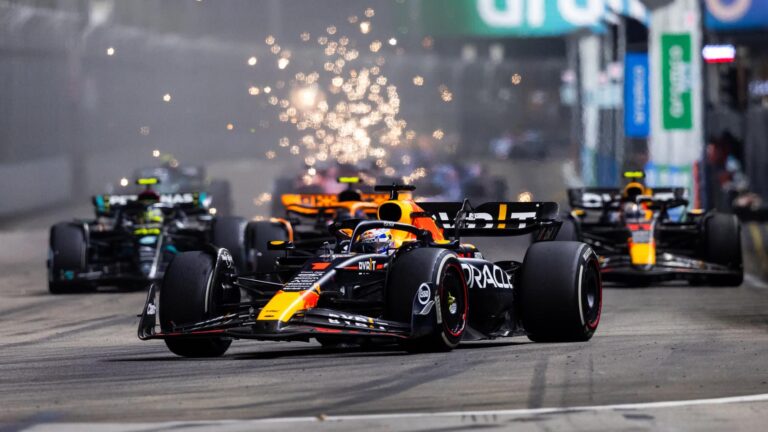
Pirelli says the Red Bull Ring asks more from tyres through thermal degradation than through abrasive wear, and the track features that pressure are easy to identify. Rough asphalt, heavy braking zones, repeated acceleration phases, altitude, strong rear-tyre traction loads and downhill braking all stack stress on the tyres at Spielberg. That combination makes the circuit a problem-solving venue for engineers, because the load comes from several directions at once. The traction demand out of slow corners works the rear tyres hard, while the braking zones load the fronts and the downhill sections add another layer of instability. The altitude also shapes the way the cars and tyres behave, since the track’s location in the mountains changes the operating environment. Pirelli also expects late-June heat to raise degradation further, which can turn a manageable stint into a tight one if temperatures climb. Mountain weather remains a factor too, with sudden storms capable of changing the surface quickly and forcing teams to adapt. The Red Bull Ring has earned a reputation for busy race action as well. Last year’s Austrian Grand Prix forced most teams into two pit stops, and the 2025 race produced 81 overtakes, a sign that the circuit gives drivers chances to attack but still punishes tyre mismanagement.
One-stop race outlook
Pirelli sees a one-stop strategy as more plausible this year, and the company says it may become the preferred race approach at Spielberg. Current tyre construction and continued track evolution support that view, even with the added grip from the softer compound range. That same softness also makes wear harder to control, so teams will have to judge stint length carefully if they want to stretch the race to a single stop. Qualifying position should matter more than usual because track position can shape the whole afternoon. Teams that start near the front have a better chance to control the pace, protect their tyres and build the kind of margin a one-stop plan needs. That makes Q3 more valuable too, since any driver who reaches the top 10 gets an extra set of soft tyres and a little more room to work with over the weekend. The balance between outright speed and tyre preservation should define the race. The Red Bull Ring’s short lap, quick changes of direction and heavy traction demand can reward cars that handle tyre temperature well, but the softer allocation gives teams less margin for error if degradation rises faster than expected. Pirelli’s outlook points to a race where strategy could tighten rather than widen, and where the strongest qualifying performance may carry the most weight once the lights go out.