




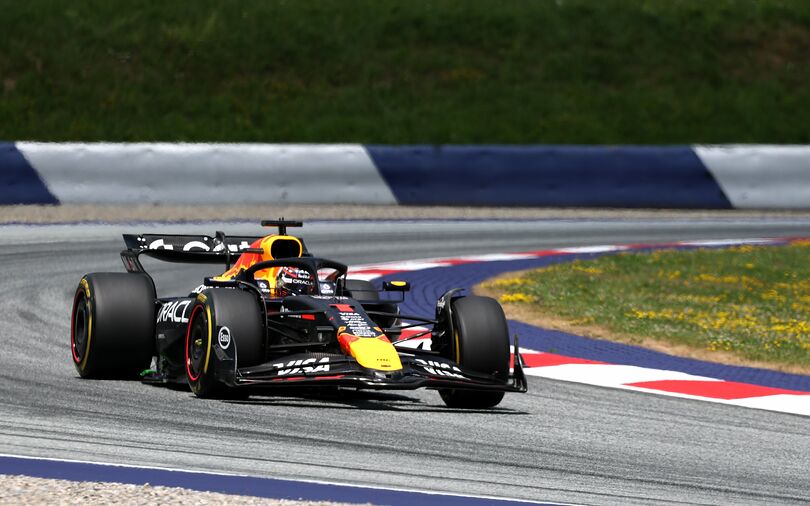
Pirelli sees one-stop strategy at Austrian GP
NXTbets Pro | Published On: June 25, 2026
Red Bull Ring
Pirelli expects the Red Bull Ring to put tyres under heavy stress when the Austrian Grand Prix arrives in Spielberg. The circuit measures 4.326 kilometers, has 10 corners and climbs and drops through a 63-meter elevation change. It also sits at 660 meters above sea level, which adds another layer to the tyre challenge. The weekend opens with practice, moves to qualifying and ends with the race.
The tyre pressure on this track comes more from heat than from surface wear. Pirelli says the Red Bull Ring is harder on tyres because of thermal degradation than abrasive wear. Rough asphalt, heavy braking zones, repeated acceleration phases, altitude, strong rear-tyre traction loads and downhill braking all push the tyres in different ways. The layout asks for controlled traction on exit and stability under braking, and it does so lap after lap. That mix makes the circuit one of the most demanding stops on the calendar for teams trying to balance pace and tyre life.
Weather can swing the picture quickly. Pirelli expects mountain conditions and sudden storms to change the surface in a hurry, and it sees heat as a major factor that can raise degradation even more. That leaves teams with a narrow margin. A car that keeps its tyres in the right window can gain time across a stint. A car that slips out of that window can lose grip fast. At a circuit where the margins are already tight, tyre temperature control can shape the entire race. The Red Bull Ring does not give drivers many chances to recover wasted tyre life. It asks them to manage load, brake hard, accelerate cleanly and keep the rear tyres alive while the lap unfolds over a short but punishing layout.
Pirelli compounds
Pirelli will bring the C3, C4 and C5 compounds to Austria, with C3 as hard, C4 as medium and C5 as soft. Each driver will receive two sets of hard tyres, three sets of medium tyres and eight sets of soft tyres. Intermediates and full wets are available if needed. Drivers who reach Q3 will get an additional set of soft tyres. In a dry race, all drivers must use at least two slick compounds.
The compound choice leans toward grip. Pirelli says the softer selection should give drivers more grip, but it also makes tyre wear harder to control. That tradeoff matters on a circuit like Spielberg, where acceleration out of slower corners can punish the rear axle and where repeated braking loads can push temperatures up quickly. Teams will need to decide how much they want to lean on the soft tyres in qualifying and how much they want to hold back for race distance. The allocation gives them a clear spread of options, but it also puts a premium on using each set with purpose.
That Q3 bonus can play a real role. A fresh soft set can change the shape of a qualifying session and the opening stint of the race. It can also help a team defend track position if it wants to force rivals to follow a different strategy. The tyre rules leave room for flexibility, but they also make every set count. If teams burn through soft tyres too quickly, they may find themselves short of the grip they need when the race gets into its final phase. If they save too much, they risk starting too far back. Pirelli’s compound list gives the field speed on paper. It also brings a clear management problem.
One-stop strategy
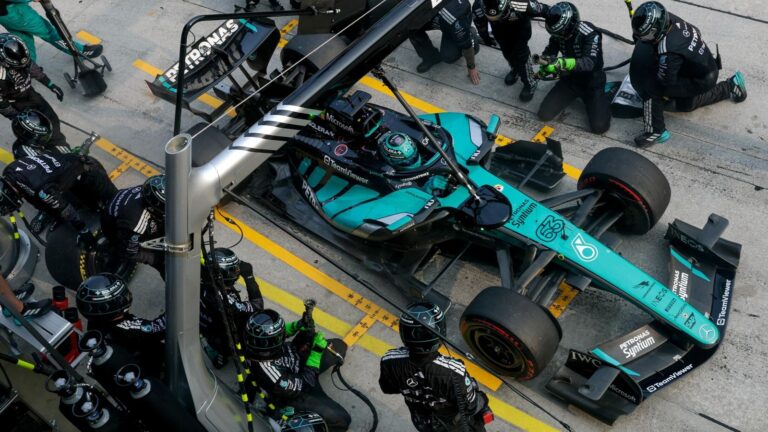
Pirelli sees a one-stop strategy as more plausible this year at the Red Bull Ring, and it says that approach may become the preferred race plan. The company points to current tyre construction and continued track evolution as the main reasons. That marks a shift in outlook at a circuit that often punishes tyres over a race distance. Most teams needed two pit stops in last year’s Austrian Grand Prix, so any move toward a cleaner one-stop race would change how teams attack the weekend.
Qualifying position could matter more if the one-stop route holds up. Pirelli says teams trying to lead the race and make that strategy work may find track position especially important. That makes the Saturday session a major turning point. A strong grid slot can let a driver control the pace, protect the tyres and avoid the traffic that can eat into a stint. A poor starting place can force a team to chase, which usually brings more heat into the tyres and more risk around pit timing.
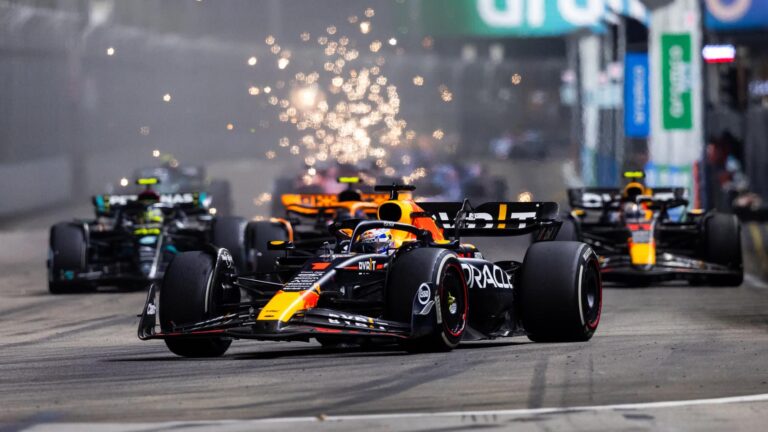
The race has also shown how active the Red Bull Ring can be when the field gets close. The 2025 Austrian Grand Prix produced 81 overtakes, a sign that drivers can still race hard here when the tyre picture allows it. That kind of action puts a premium on clean air and smart pit timing. If a one-stop race takes shape, the front-runners may try to keep the lead from the first lap of their stint to the last. If tyre wear rises faster than expected, the plan can shift quickly. Pirelli’s forecast gives teams a clear target, but it also leaves room for the track to decide how much of that target they can actually use.