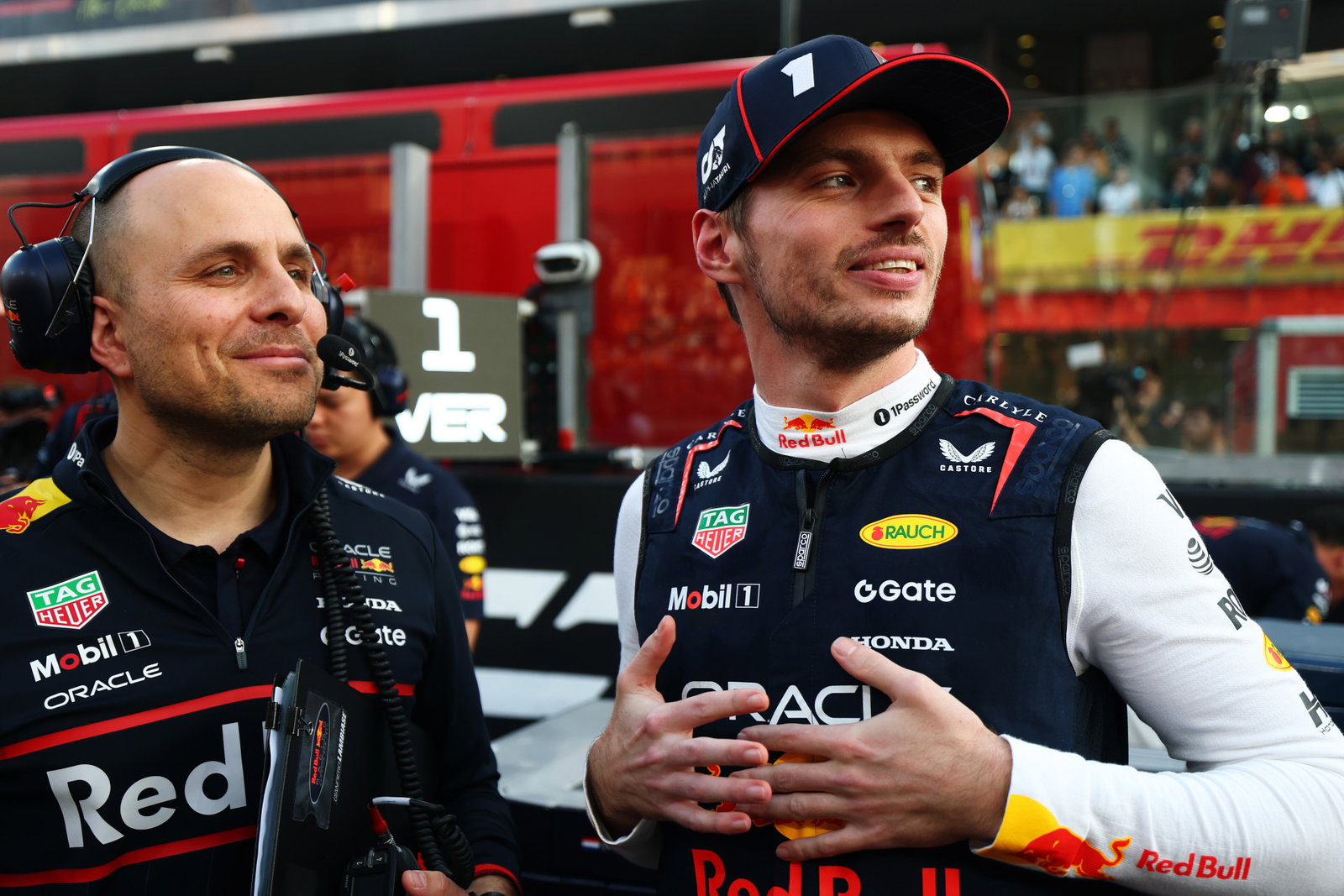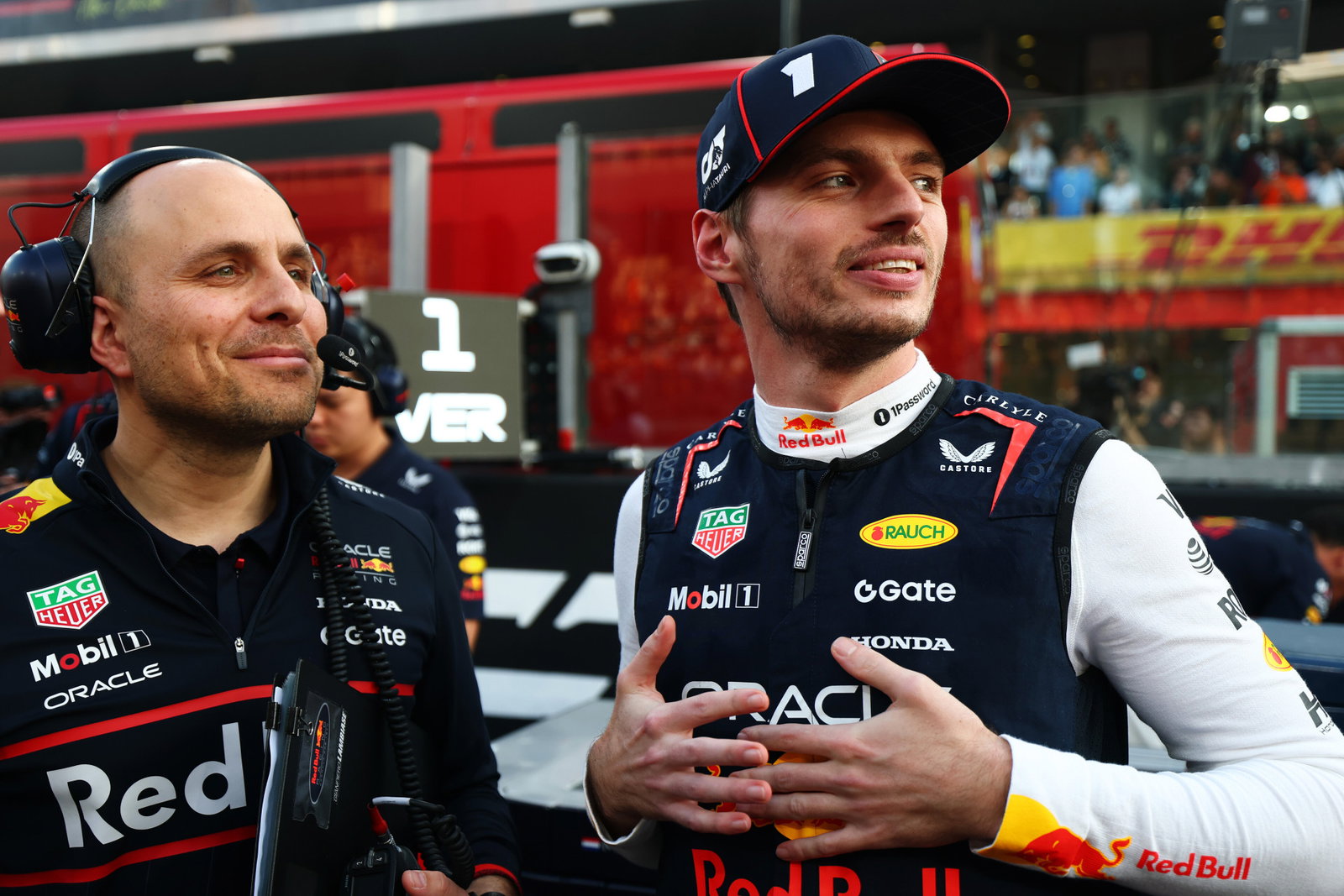
Reports say Gianpiero Lambiase will leave Red Bull at the end of 2027 to join McLaren in 2028. Lambiase has been Max Verstappen’s race engineer for years and is credited as a central technical and strategic figure across Verstappen’s four drivers’ championships and Red Bull’s 2022 and 2023 constructors’ wins. Multiple reports say he has agreed to a McLaren contract described by some sources as “astronomical” or “huge,” reportedly many times his current wage, and that he told reporters he will not serve as a race engineer for another driver.
Media outlets reporting the move say McLaren beat rival interest from teams including Aston Martin and Williams and would reunite Lambiase with former Red Bull colleagues Rob Marshall and Will Courtenay. De Telegraaf reported Lambiase recently received a promotion to head of racing at Red Bull and that he turned down an Aston Martin team principal role. Some coverage says McLaren could install Lambiase in a senior leadership post, raising questions about Andrea Stella’s future and prompting reports linking Stella with a possible switch to Ferrari.
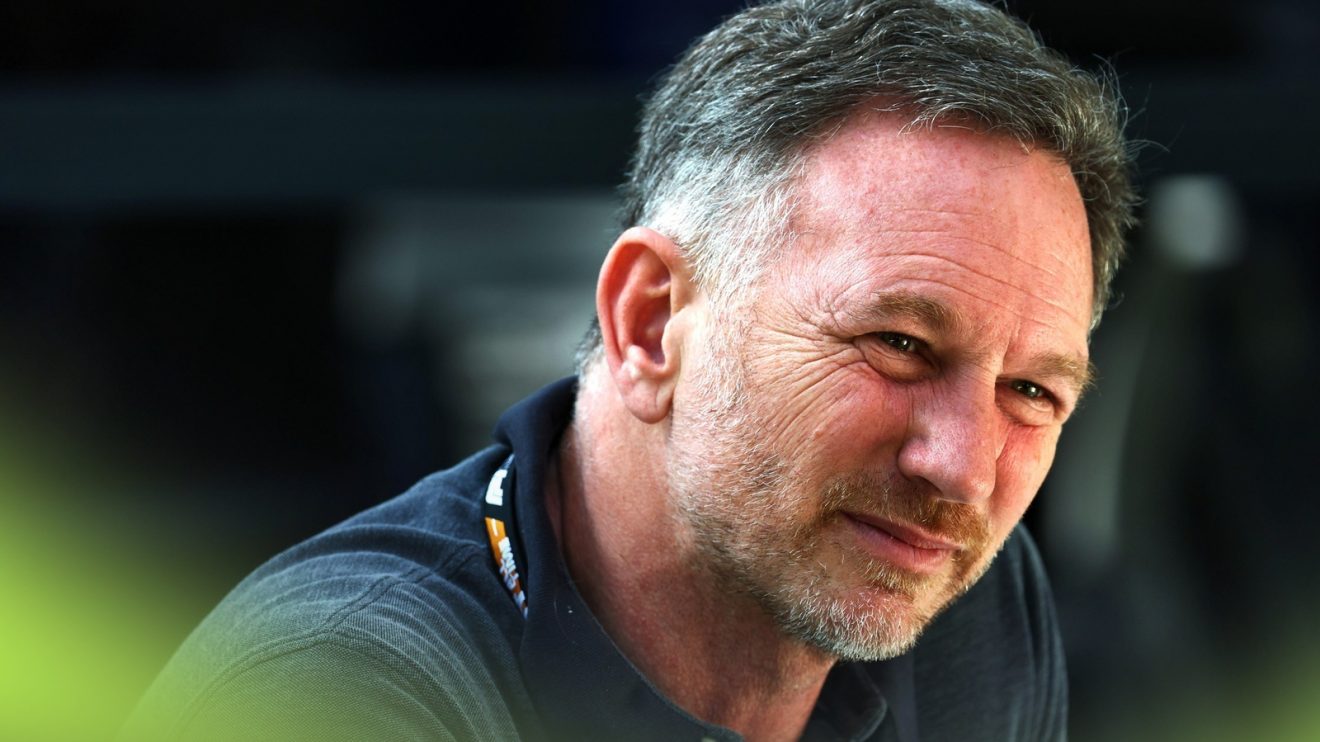
The planned departure has been placed in the context of a wider senior-level exodus from Red Bull, with reports noting moves such as Adrian Newey to Aston Martin and Jonathan Wheatley to Audi, and references to the exit or dismissal of Christian Horner and mentions of Helmut Marko. Coverage and social-media reaction have prompted intense discussion about Verstappen’s future and McLaren’s leadership, with many outlets framing the move as a potential trigger for Verstappen to consider leaving Red Bull or retiring. At the time of publication, neither Red Bull, McLaren nor Max Verstappen had issued formal statements and the reports remain unconfirmed.
More