• Ferrari retools engine to blunt Mercedes' Brixworth power

    Ferrari retools engine to blunt Mercedes’ Brixworth power

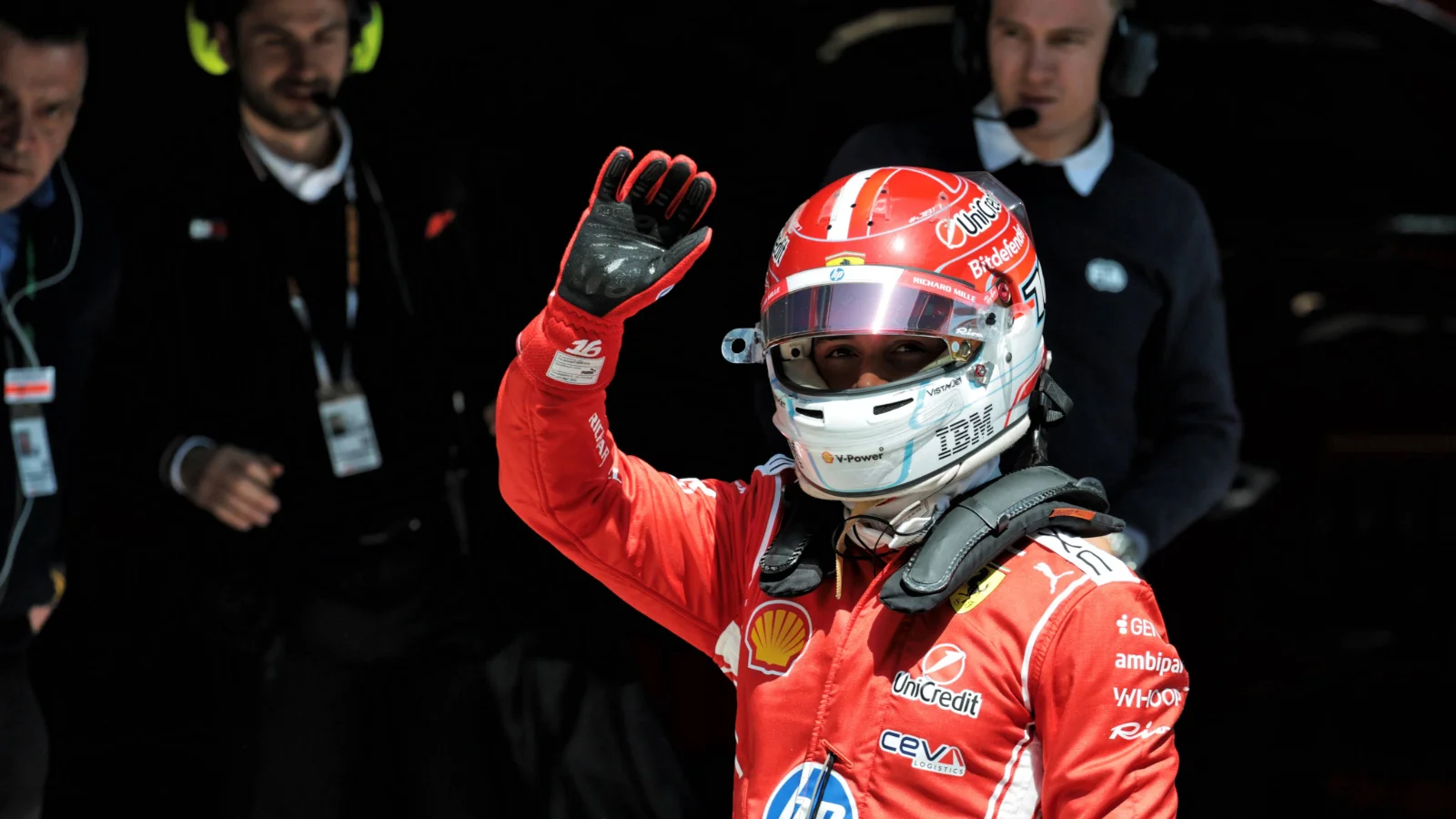
    Ferrari moved quickly to target Mercedes’ early power-unit advantage after collecting data from the opening two rounds and began planning a reconfigured engine intended to blunt the reported “super-clipping” performance. Technical director Enrico Gualtieri said the work is a targeted technical response, not a regulatory complaint, and signals an on-track engineering battle prompted by Mercedes’ Brixworth power unit.

    To close the deficit, Ferrari scheduled a private test at Monza to better understand the shortfall created by the Brixworth unit. The team described itself as the second-fastest and stressed it would prioritize technical development over immediate personnel or strategic changes. The cancellations of the Bahrain and Saudi Arabian races gave teams extra development time, and Ferrari is expected to bring a significant upgrade package by the Miami Grand Prix in May.

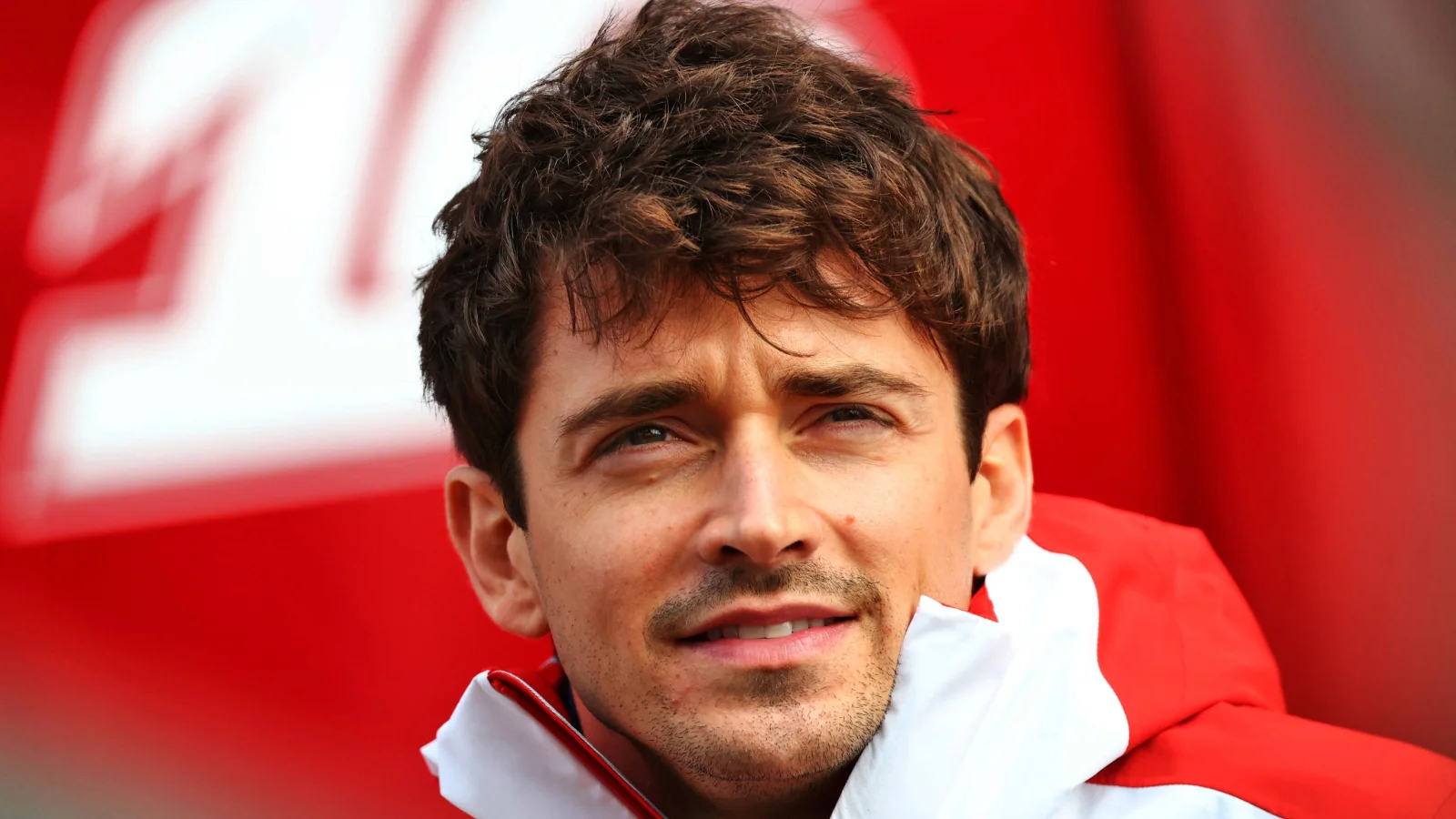
    The push for upgrades followed a pair of results that underlined Mercedes’ edge: back-to-back one-two finishes in the opening rounds, with George Russell winning the Australian Grand Prix and Kimi Antonelli taking his maiden victory in China, while Ferrari finished third in Australia and fourth in China. Charles Leclerc said he abandoned the chase in China because Mercedes had “blistering pace,” estimating the Mercedes W17 was roughly five-tenths of a second per lap quicker than Ferrari’s SF-26 in race trim, even though Ferrari showed clear cornering speed in Shanghai.

    Mercedes lead the constructors’ championship by 31 points — a margin Russell warned could evaporate once upgrades arrive — underscoring why Ferrari has prioritized rapid technical development.

    More
  • Goiânia paddock tunnel submerged; Turn 1 waterlogged

    Goiânia paddock tunnel submerged; Turn 1 waterlogged

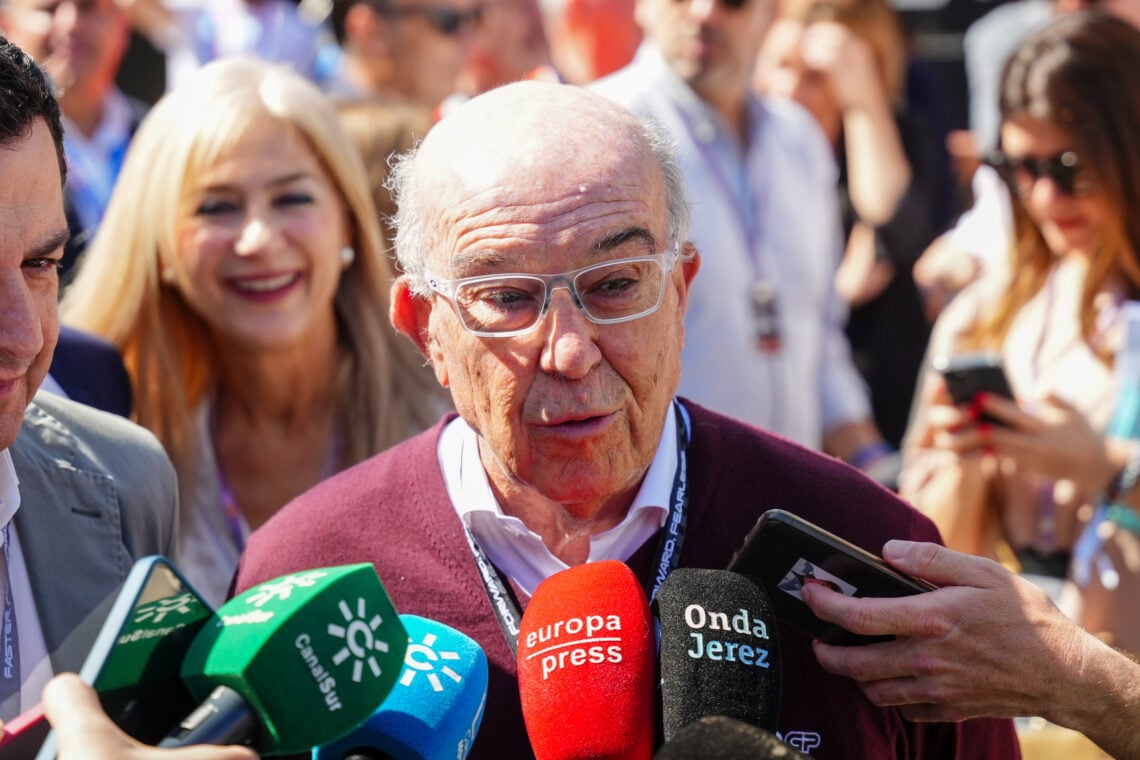
    Heavy rain and flash flooding at the refurbished Autódromo Ayrton Senna in Goiânia threatened final preparations for the MotoGP Brazil Grand Prix, the first Brazilian round in 37 years. A storm that began Monday afternoon returned with force on Tuesday; by 5 p.m. local time the paddock access tunnel was submerged under more than 25 cm of water. Multiple sections of the circuit were waterlogged, including about 12 metres of asphalt in Turn 1, the final corner and the end of the main straight.

    Local authorities issued emergency alerts and civil defense warnings as organizers, track teams and the Climate Crisis Office launched recovery operations. Crews used tanker trucks and manual clearing to drain standing water and remove mud, working through Wednesday after initial efforts the previous day. Organizers said they would repeat removal operations because further rain was forecast, noting the situation was time‑sensitive with roughly 48 hours until Moto3 FP1 at 9 a.m. local time on Friday.

    By mid‑morning officials reported temperatures around 30°C and said the asphalt was practically dry in places, but they cautioned that an adverse forecast could still compromise the weekend and that drainage and safety conditions must be assessed before any schedule changes. Event organizers stressed they were not discussing cancellation and pledged to do everything possible to stage the Grand Prix, but acknowledged that localized flooding, damage to access routes and the ongoing forecast left the weekend’s staging uncertain.

    The incident underlined the tight turnaround and high stakes involved in returning MotoGP to Brazil after more than three decades, as teams and organizers worked against time to restore the circuit ahead of round two of the season.

    More
  • Leclerc, Verstappen Clash Over Battery-Assisted Overtakes

    Leclerc, Verstappen Clash Over Battery-Assisted Overtakes

    The 2026 technical and energy-rule changes — notably a nimbler chassis, reduced downforce and power units that are now almost half-electric — have sharply divided opinion about whether Formula 1’s on-track action remains driver-led or has become battery-assisted and “artificial.” Empirical changes in overtaking patterns and closer, “yo-yo” finishes in the opening rounds show the new regulations are materially altering race dynamics: some passes are now staged around strategic battery deployment or active-aero boosts, while other design tweaks have made cars aerodynamically friendlier to passing.

    Drivers and commentators are split. Charles Leclerc defended the package, saying from the cockpit the new cars “doesn’t feel so artificial,” that he enjoyed driving them and that drivers are converging on similar risk zones that create fresh passing opportunities; he conceded, however, that some overtakes can look artificial when a competitor fully drains the battery. By contrast Max Verstappen and others including Lando Norris, Carlos Sainz and Esteban Ocon have been openly critical — Verstappen saying fans who enjoy the new style “don’t understand racing.” Broadcasters and pundits pushed back too: David Croft used Lewis Hamilton’s close, multi-lap exchanges with George Russell and Leclerc in Shanghai to argue F1 “isn’t all about batteries,” calling those moves examples of “organic racing,” and David Coulthard described Hamilton’s maneuvers as “creative.”

    Race-by-race detail underlines the complexity. Melbourne produced battery-driven passing and yo-yo position changes — overtakes at places such as Turn 14 that were often reversed down the pit straight — while Shanghai delivered authentic outbraking duels into Turn 14 and the Turn 1/2/3 sequence, highlighted by the Hamilton–Leclerc fight and aided by cars designed to stay close enough for retaliation. Teams have also used aggressive starts and strategic battery deployment — Ferrari’s strong start, establishing itself as Mercedes’ closest challenger, was built in part on those tactics. F1 is expected to tinker quickly — rule changes are anticipated within weeks and a more complex plan to vary harvest, deployment and storage limits by track has been postponed to gather data — as the sport seeks to reconcile electrical strategy with the traditional, driver-led spectacle (and to avoid potentially hazardous scenarios that might have been exacerbated at tracks such as Jeddah).

    More
  • USAC Midget National Championship at Kokomo Apr 24-25

    USAC Midget National Championship at Kokomo Apr 24-25

    The USAC NOS Energy Drink Midget National Championship will headline the Kokomo Grand Prix at Kokomo Speedway in Indiana on April 24 or April 25, according to sources. The event is scheduled as the evening feature on the quarter-mile dirt oval; after this first reference the series is referred to as the USAC Midget National Championship.

    Pits and grandstands will open at 3:00 p.m. ET, the drivers meeting is set for 5:30 p.m. ET, and cars will be on track at 6:00 p.m. ET. Qualifying will consist of two laps with the fastest lap counting, heat races will be 10 laps and include inversion procedures (one source specifies a top-six inversion), a 12-lap semi-feature is listed, and the main feature will be 30 laps limited to 24 starters.

    Officials will enforce strict tire rules, including a stamped SP3 right-rear requirement for qualifying, heats and the feature, and driver radios will be mandatory on USAC frequency 464.5500. Race Director Kirk Spridgeon is listed as the event director. Entry fees are $30 for USAC members and $40 for non-members; USAC membership is required to score points and claim contingency awards. Standard adult admission is $30, kids 12 and under are free, and pit passes are $40. Live coverage will be available on FloRacing, with additional audio, updates and streams through the USAC app, Mixlr, Facebook, X and live timing apps. The feature winner will collect $5,000 and 70 points; sources disagree on the point label (one calls them “series points,” another calls them “national points”); a minimum payout of $300 is mentioned in only one source.

    More
  • FloRacing to stream Paragon, Terre Haute; USAC app audio

    FloRacing to stream Paragon, Terre Haute; USAC app audio

    The USAC AMSOIL Sprint Car National Championship will stage two early-April events as part of its 2026 slate: the Chuck Amati Classic at Paragon Speedway in Paragon, Indiana, on Saturday, April 4, and the 23rd annual Jim Hurtubise Classic at Terre Haute Action Track in Terre Haute, Indiana, on Sunday, April 12. Paragon’s facility is a 3/8-mile dirt oval while Terre Haute is a half-mile dirt oval. Pits open at 2:00 p.m. ET at Paragon and 3:00 p.m. ET at Terre Haute; front gates open at 5:00 p.m. ET for both events. Driver meetings are set for 5:30 p.m. ET at Paragon and 6:00 p.m. ET at Terre Haute, with on-track activity beginning at 6:00 p.m. ET and 6:30 p.m. ET, respectively.

    Both events use two-lap qualifying and 8-lap heat races with a top-six inversion; Paragon specifies the fastest lap will count in qualifying. Paragon’s format also includes an optional C-main, 12-lap semi-features and a 34-lap feature with a 24-car starting field, while Terre Haute will run a 30-lap feature. Feature winners at both rounds earn 70 championship points; the Chuck Amati winner will receive $6,800 and the Jim Hurtubise winner $7,500 (second at Terre Haute $3,000 and third $2,000 with corresponding points of 67 and 64).

    Entry fees for the Chuck Amati Classic are $30 for USAC members and $40 for non-members, with membership required to collect points and contingency awards; Paragon also designates a mandatory driver radio frequency of 464.5500. Ticketing and access details are confirmed for Terre Haute: advance grandstand tickets cost $30 with kids 12 and under admitted free, pit passes are $40 (including grandstand seating, controlled pit-area access and signed waivers), infield admission is $15, and advance ticketholders are admitted 30 minutes before published gate times. Live video will be available for both events on FloRacing, audio via the USAC app and Mixlr, live social updates on USAC’s Facebook and X accounts, and official timing and scoring on MyRacePass and Race Monitor.

    More
  • Hart, Brown, Gordon set for Mission #2Fast2Tasty in Phoenix

    Hart, Brown, Gordon set for Mission #2Fast2Tasty in Phoenix

    Central Arizona Raceway is expanding the Cactus Classic into a three-day Interstate Batteries High Limit Racing special running Thursday through Saturday, creating a doubleheader with the NHRA Arizona Nationals. The format pairs morning and afternoon drag racing at Firebird Motorsports Park in Chandler with evening sprint car programs in Casa Grande; the opening Cactus Classic will include crossover filming and appearances by visiting NHRA stars as organizers seek to emphasize fan engagement by stacking sprint car nights alongside the marquee NHRA weekend. Several NHRA names — including J.R. Todd, Ron Capps, Maddi Gordon and Matt Hagan — are slated to attend the opener.

    On the NHRA side, the Mission #2Fast2Tasty Challenge returns to the NHRA Arizona Nationals at Firebird Motorsports Park as part of the 41st annual FMP NHRA Arizona Nationals presented by NGK Spark Plugs. The Saturday qualifying bonus event is in its fourth year and is run at 13 regular-season races; Josh Hart, the Top Fuel points leader, is seeking his first Mission #2Fast2Tasty victory in a rematch with Antron Brown, while rookie Maddi Gordon will make her Mission bonus-race debut against reigning world champion Doug Kalitta, who won the overall Mission title and five bonus races last year. Funny Car rematches include Chad Green versus Jordan Vandergriff, and past Phoenix winners J.R. Todd (2024) and Alexis DeJoria (2023) are scheduled to race each other. The Pro Stock entry list features Dallas Glenn, Greg Anderson, area native Matt Hartford and six-time world champion Erica Enders, who is paired with Greg Anderson, and the event is promoted as the “Duel in the Desert.” NHRA officials also said Arizona Nationals start times will shift earlier because of expected heat as NHRA marks its 75th anniversary season.

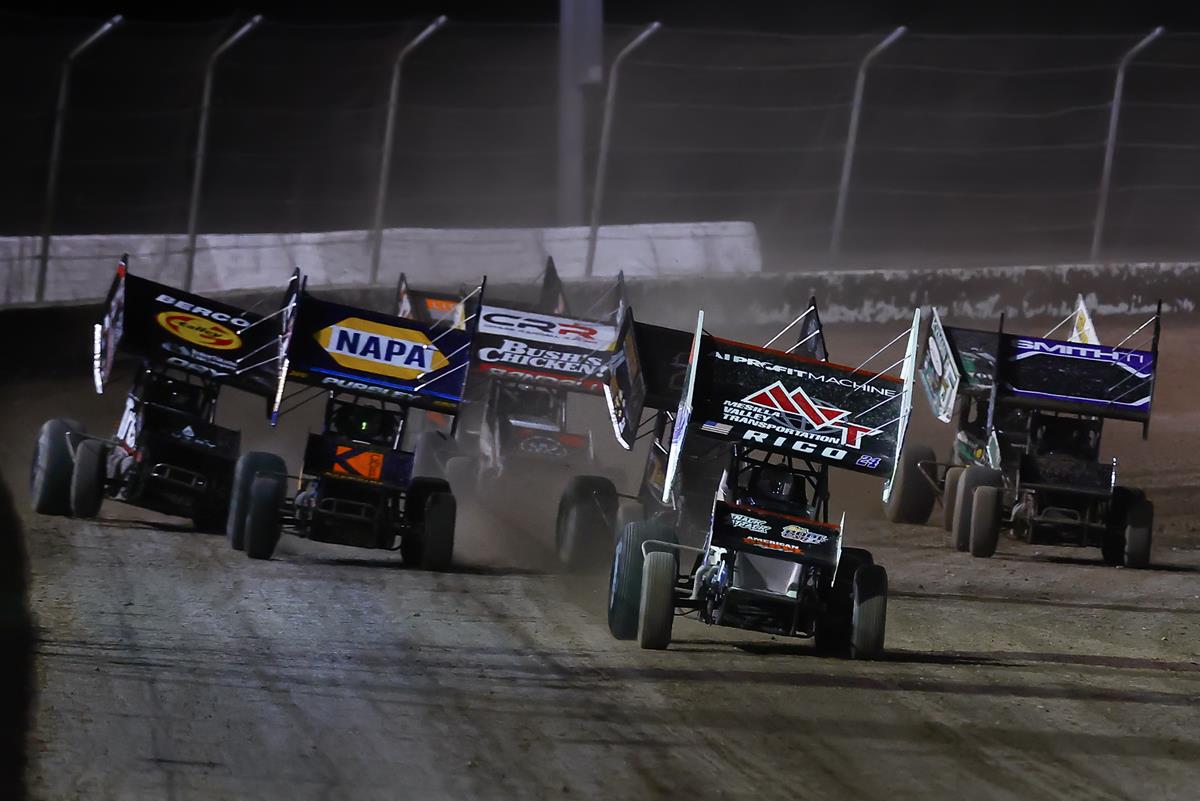
    The High Limit series arrives with recent Las Vegas winners Kyle Larson, Corey Day and Aaron Reutzel; Reutzel’s 10th-2nd-1st sequence has put him atop the early-season High Limit standings in the No. 87 Ridge & Sons Racing entry, with Tanner Thorson two points behind and Rico Abreu, Giovanni Scelzi and Tyler Courtney following. The High Limit series lists fifteen full-time teams; ten of those teams have High Roller Club membership while five teams are jockeying for “Joker Fund” access with Kerry Madsen leading that chase. Notable driver moves include six-time champion Brad Sweet returning from retirement for a roughly 30–40 race part-time program with Paul Silva and Kevin Kozlowski after a February NARC 410 feature win, and Logan Seavey running roughly 15–20 winged events in Chad Boat’s CB Industries No. 87 in partnership with Spire Motorsports.

    More
  • David Gravel Reclaims Series Lead Before Oklahoma Races

    David Gravel Reclaims Series Lead Before Oklahoma Races

    David Gravel reclaimed the World of Outlaws NOS Energy Drink Sprint Car Series points lead at Kennedale and now leads by six points as he pursues a third consecutive series championship. He has finished on the podium in five of the last six races, while Carson Macedo sits six points back and carries a 3.57 average finish through seven events.

    The tour heads to Oklahoma for a March 20-21 doubleheader, opening Friday at Lawton Speedway and continuing Saturday at Creek County Speedway in Sapulpa. Lawton will mark the tour’s 12th visit, while Creek County will be the series’ first visit to that track and will become the ninth Oklahoma host overall.

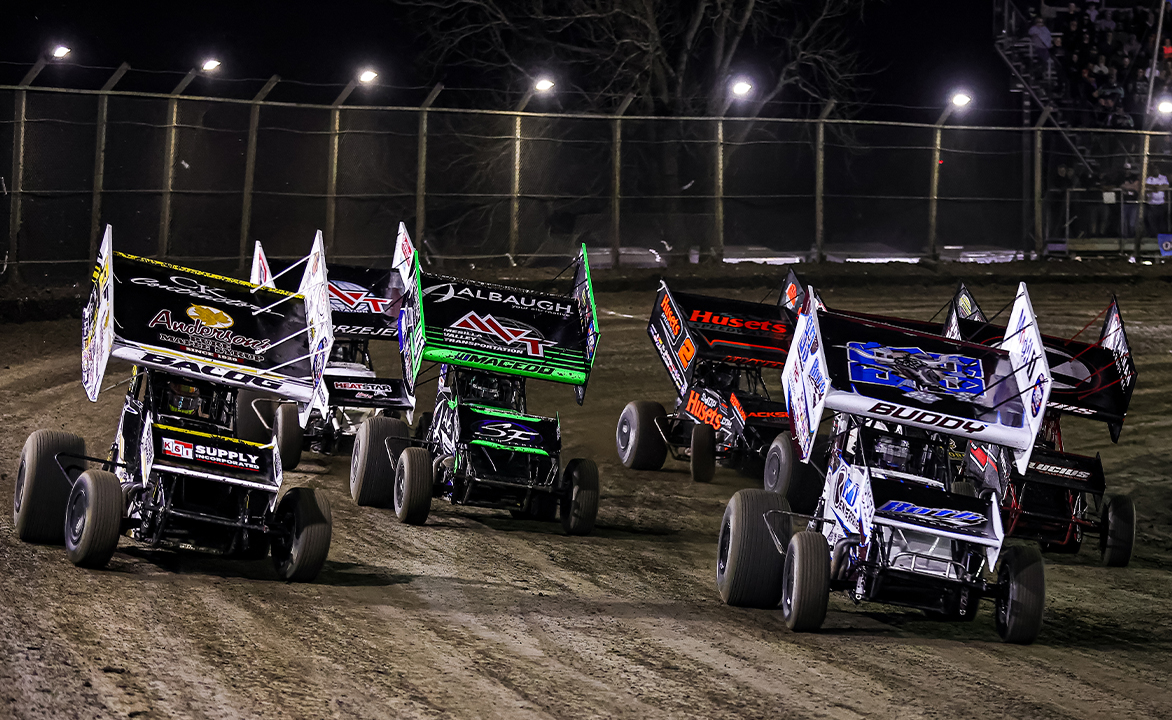
    Fields at both venues are expected to approach 40 cars, mixing American Sprint Car Series regulars and Oklahoma standouts with Midwestern entries. Big Game Motorsports notched its first win of the year at Kennedale, and notable storylines include Michael “Buddy” Kofoid, last year’s Lawton winner, who dropped to sixth in the standings after a crash at Kennedale. Bill Balog scored his first podium of the year with a runner-up finish at Kennedale and is scheduled to make his Creek County debut, and Macedo is entered alongside Oklahoma drivers Matt Covington, Blake Hahn and Seth Bergman and Midwestern challengers Brady Bacon and Ryder Laplante.

    More
  • Lawson radio call, Safety Car timing shape Shanghai

    Lawson radio call, Safety Car timing shape Shanghai

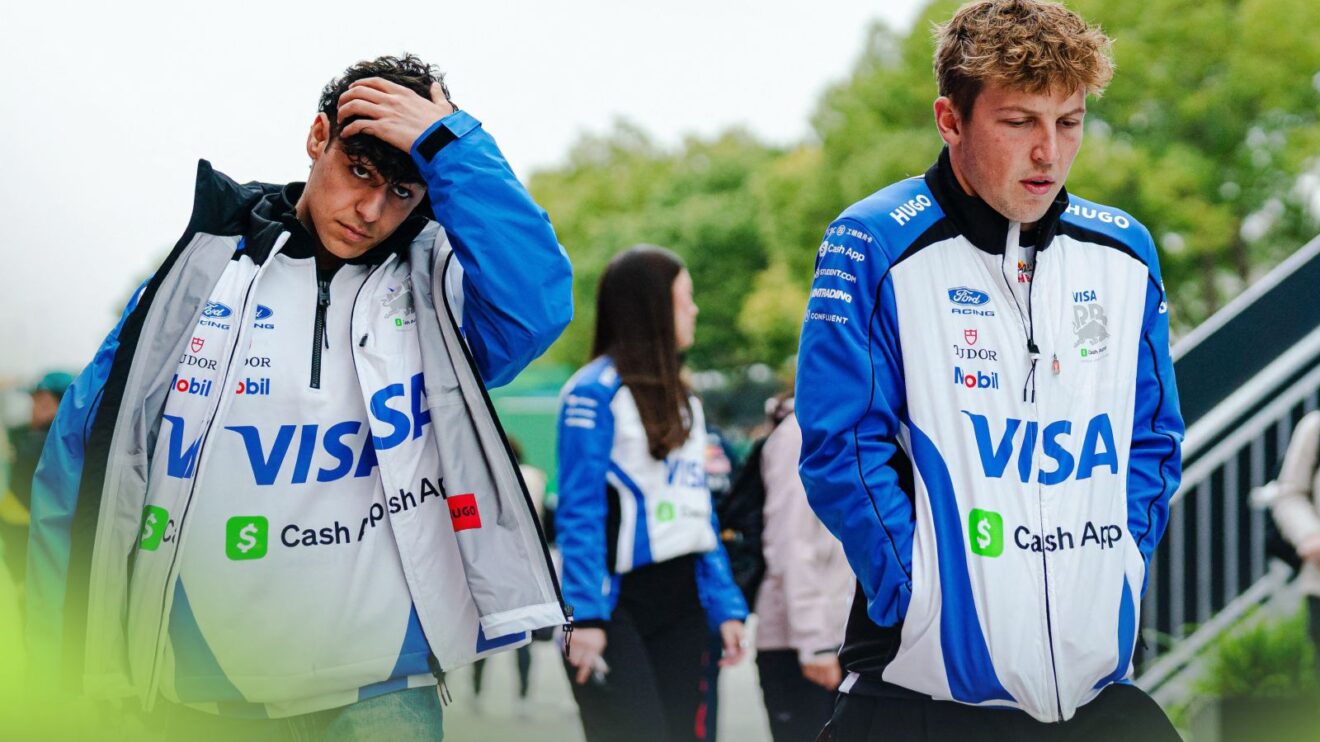
    Liam Lawson’s strategic performance at the Chinese Grand Prix was defined by a tense radio exchange with rookie teammate Arvid Lindblad amid a decisive tire and pit-stop sequence. Under attack from Lindblad, Lawson jumped on team radio to tell engineers he was “trying to box” because he was about to pit and did not want to lose positions; Lindblad, on hard tires, attempted and failed a move into the Turn 14 hairpin while closing on Lawson, who was on fading medium tires.

    Lawson pitted on lap 10 for hard tires and a Safety Car was deployed the same lap when Lance Stroll stopped on track. The safety-car timing was identified as the decisive operational factor shaping Lawson’s result — some reports said it allowed rivals cheap stops and cost him multiple positions, while others said the timing helped preserve his track position — and Lawson himself called the sequence “probably karma.” The radio message drew attention from commentators, with David Coulthard saying he was baffled and Jolyon Palmer later calling Lawson’s race the “perfect response.” The Sprint on Saturday also featured a tire gamble: Racing Bulls started Lawson on hards in the Sprint Race, a move that gained him six places and his first championship points.

    The strategic week resulted in consistent points for Lawson: he finished seventh in both the Sprint and the Grand Prix in Shanghai, collecting eight points. Lawson said the weekend showed Racing Bulls had “absolutely maximised the package.” The eight-point haul moved him to ninth in the drivers’ standings, level on points with Max Verstappen, four clear of Isack Hadjar and with twice the points of his rookie teammate, Arvid Lindblad, who crossed the line 12th in Shanghai. Pundits and fans praised Lawson’s tire management under the new regulations and described the Shanghai result as a momentum-shifting outing and a counterpoint to earlier intra-team comparisons from Melbourne, where Lindblad had finished ahead of Lawson.

    More
  • Nick Romano Returns to Monster Energy Pro Circuit Kawasaki

    Nick Romano Returns to Monster Energy Pro Circuit Kawasaki

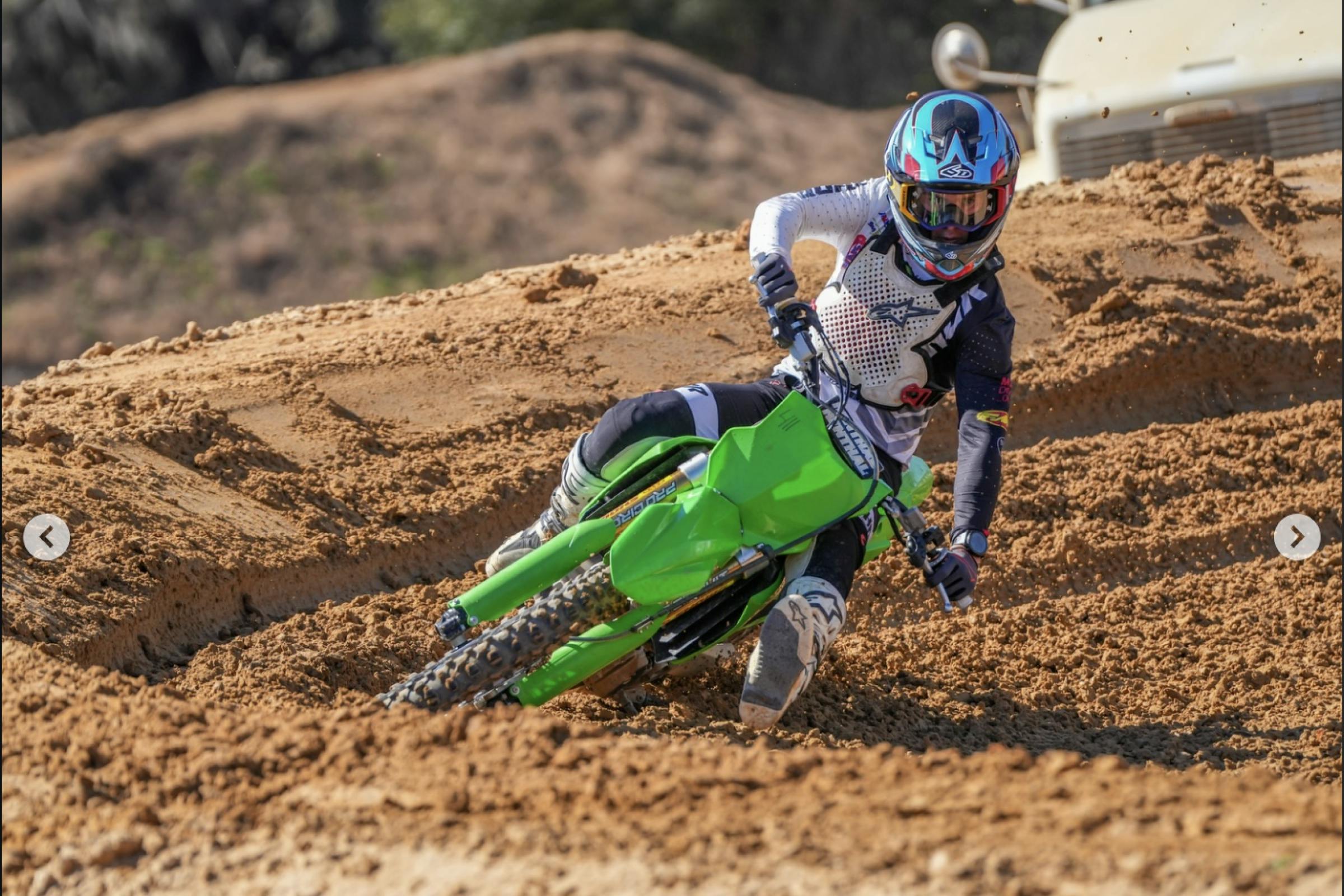
    Nick Romano, 21, has returned to factory machinery with Monster Energy/Pro Circuit Kawasaki, a move he called “a dream come true.”

    A product of Kawasaki Team Green’s amateur ranks, Romano raced for Monster Energy Yamaha Star Racing from 2019–2024 and moved on in 2025. Sources differ about that year: one report says he signed with Phoenix Racing Honda and suffered a knee injury at the 250SX East opener in Tampa that required months of rehab and a Southern California boot camp; another report says he ran a privateer program through 2025 and hit a low point late in the year, including a period in October 2025 when he did not even own a dirt bike.

    According to reporting, the Pro Circuit opening followed Drew Adams’ thumb injury at the Daytona Supercross; Romano accepted Pro Circuit’s offer one week after Daytona, flew to join the team, and credited reconnecting with owner Mitch Payton (and ongoing contact with Payton and his agent Jimmy Button) for providing a path back to factory equipment. Now back on factory equipment with Pro Circuit Kawasaki, Romano is riding and training hard and says his focus is staying fit and race-ready as he prepares for the 2026 season and upcoming races.

    More