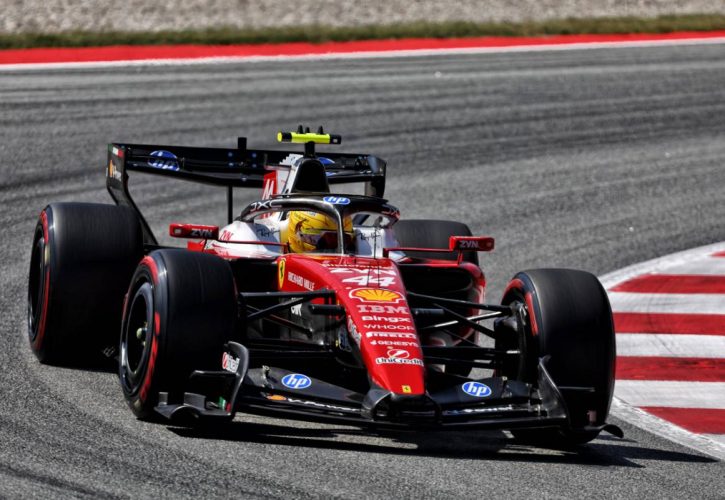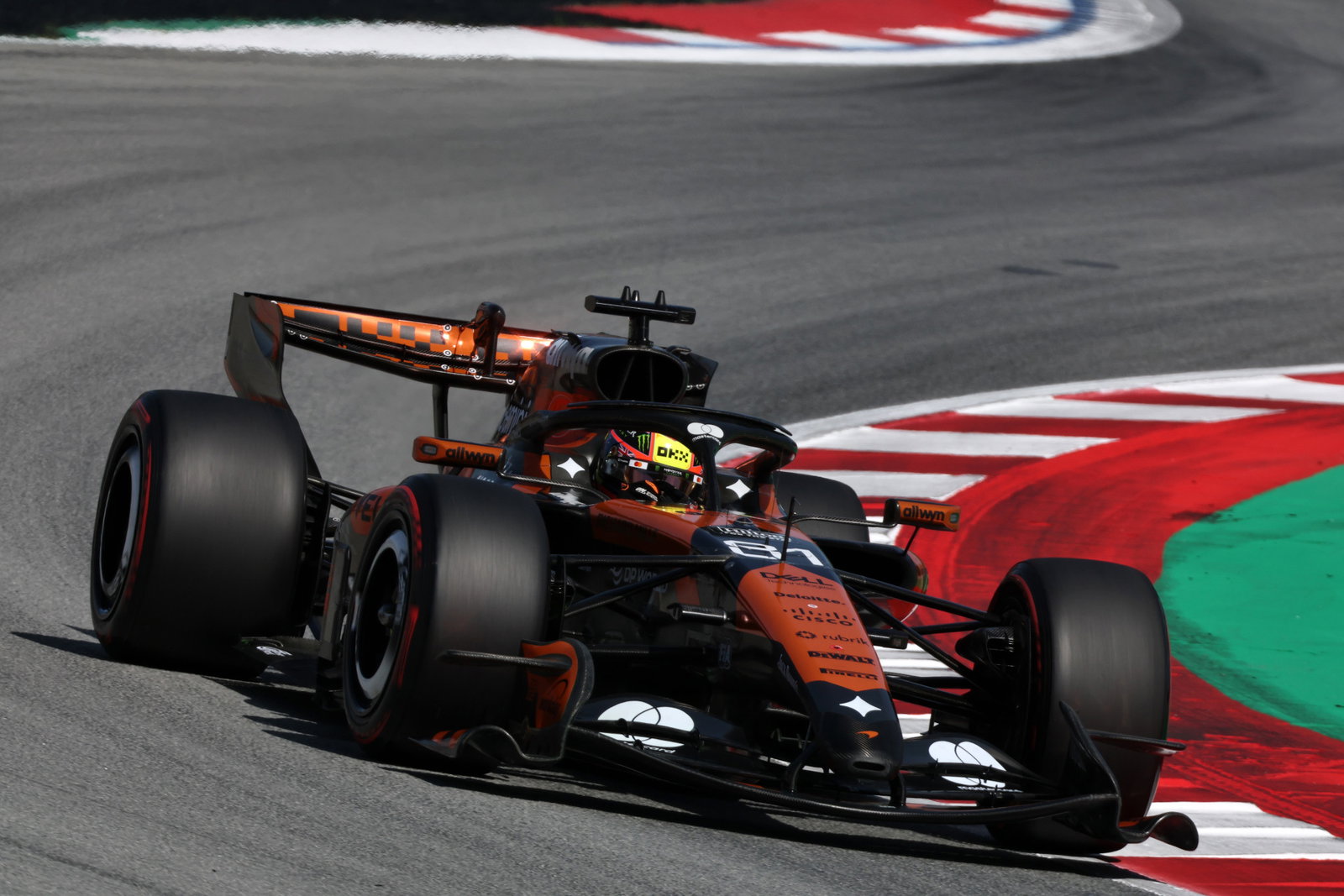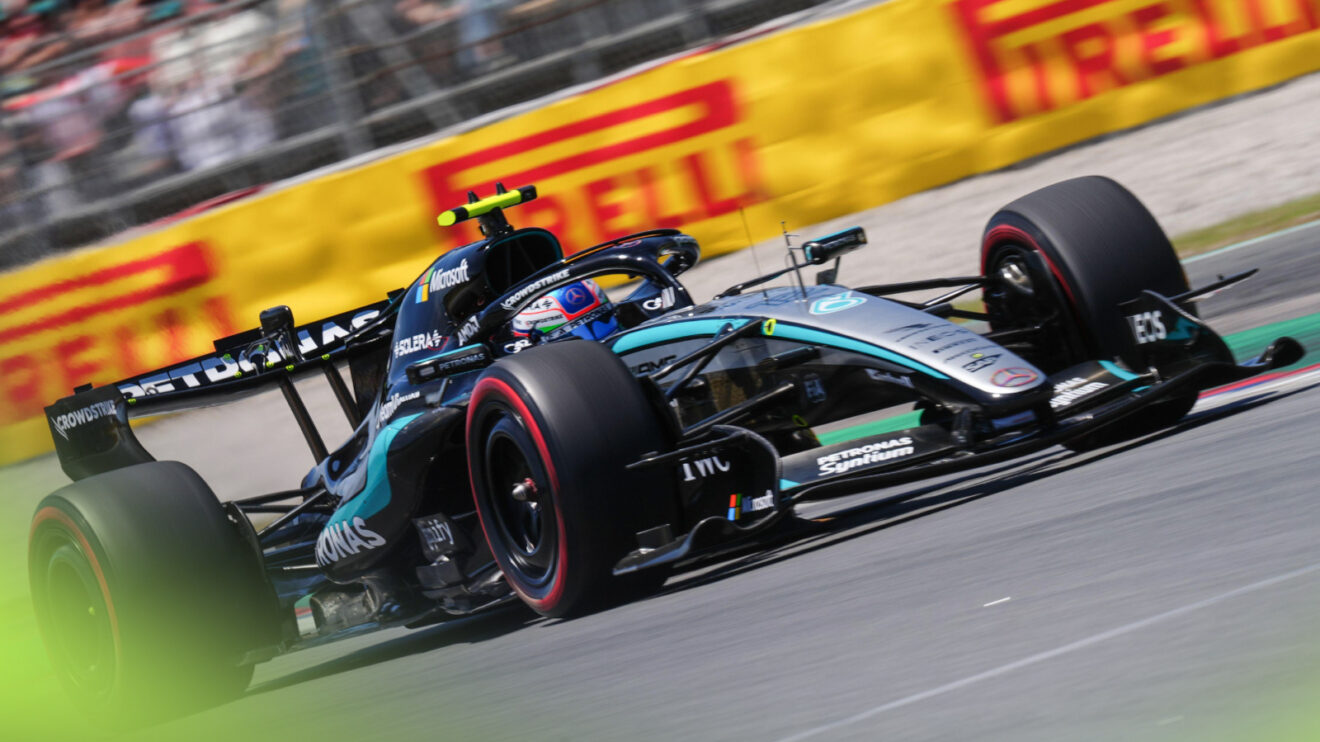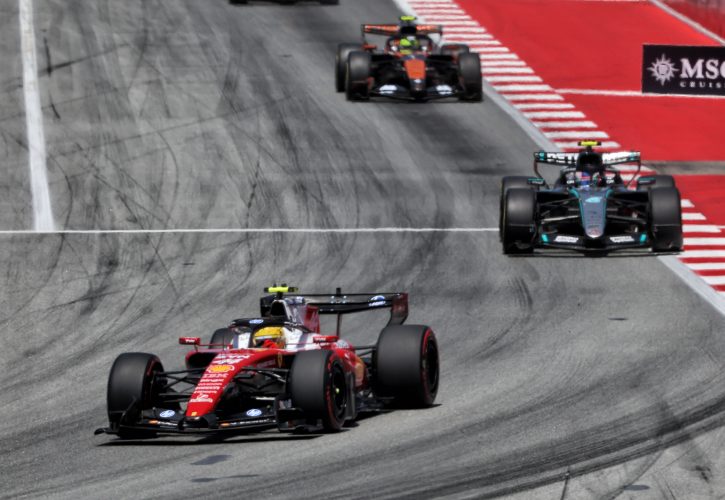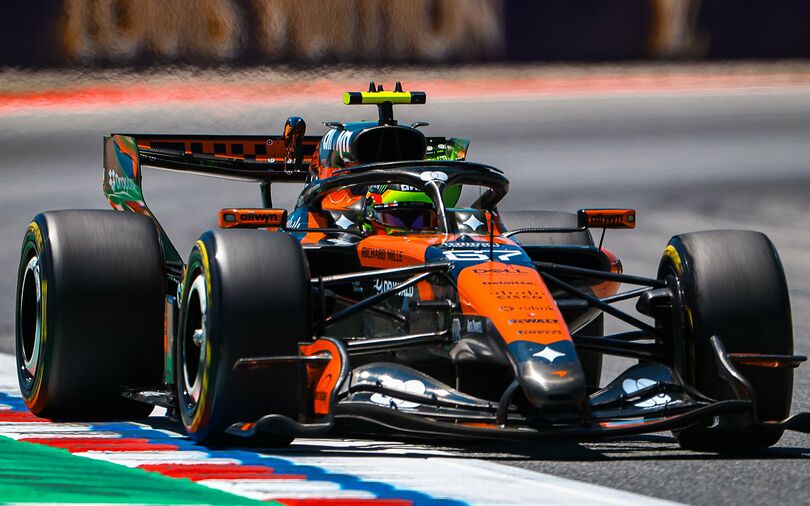
Pirelli said the hot conditions at Barcelona have pushed tire degradation and race strategy to the center of the Spanish Grand Prix, with track temperatures reaching 50C to 53C and the softer C2, C3 and C4 allocation leaving little margin. The supplier said the most likely outcome is a two-stop race, though a three-stop approach could become viable if teams push hard early or end up in clean air after a Safety Car. It also pointed to two often overlooked variables, rim design and the range of setup choices, as factors that could matter almost as much as outright pace.
Friday running backed up the concern. Long-run data showed the medium C3 dropping about three tenths of a second per lap over the first 10 to 12 laps before falling away further, and Pirelli chief engineer Simone Berra said degradation and thermal decay were higher than expected. Friday practice also suggested the hard tire was not clearly the preferred option, with many teams saving sets for race day. Pirelli expects stops around laps 15 to 21 and 38 to 44, with Medium to Hard to Hard the most probable sequence, although Medium to Hard to Soft and Soft to Medium to Hard were also listed.
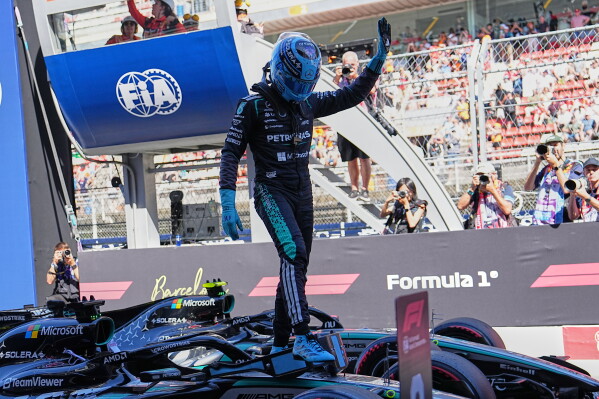
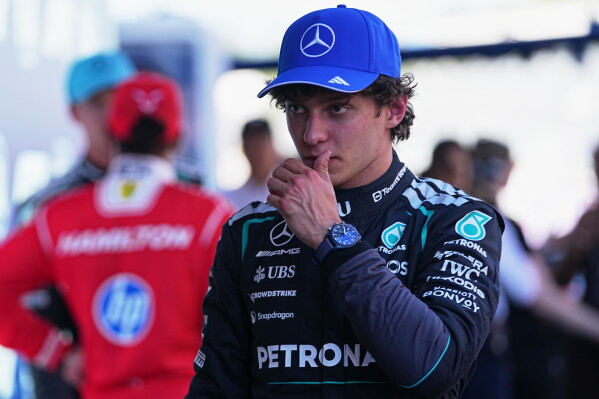
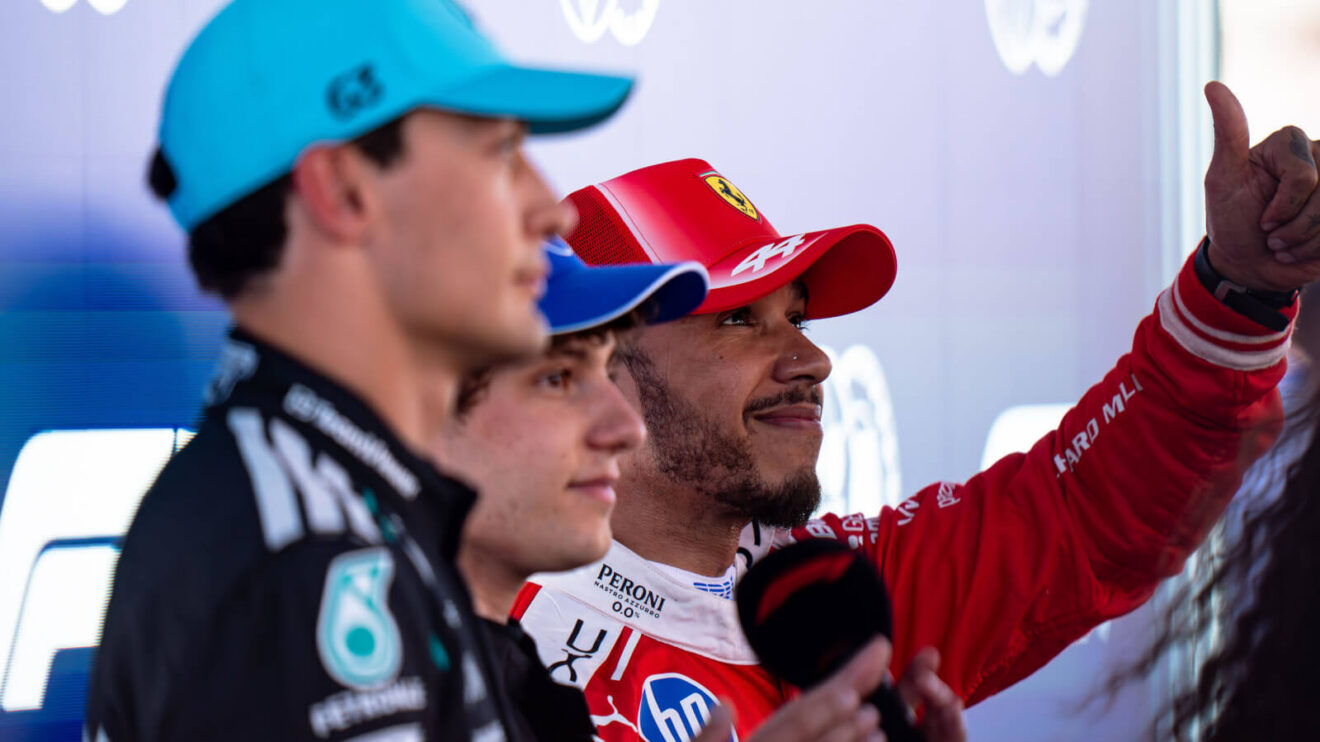
The strategy picture came into sharper focus after George Russell took pole for Mercedes in a close qualifying session with McLaren, Ferrari and Red Bull, but Russell said a one-stop race was not possible and that even a three-stop could emerge if tire life collapsed. Lewis Hamilton, who qualified second, said Ferrari’s tire wear was running at roughly double what the team had forecast, and Andrea Kimi Antonelli, third on the grid, said the long run to Turn 1 could create opportunities for drivers with a strong launch. Teams are expected to use lift-and-coast and power management to keep the tires alive on a circuit where overtaking is difficult and traffic can punish worn rubber.
More